
Chanting in a Thin-Walled Brunswick Flat
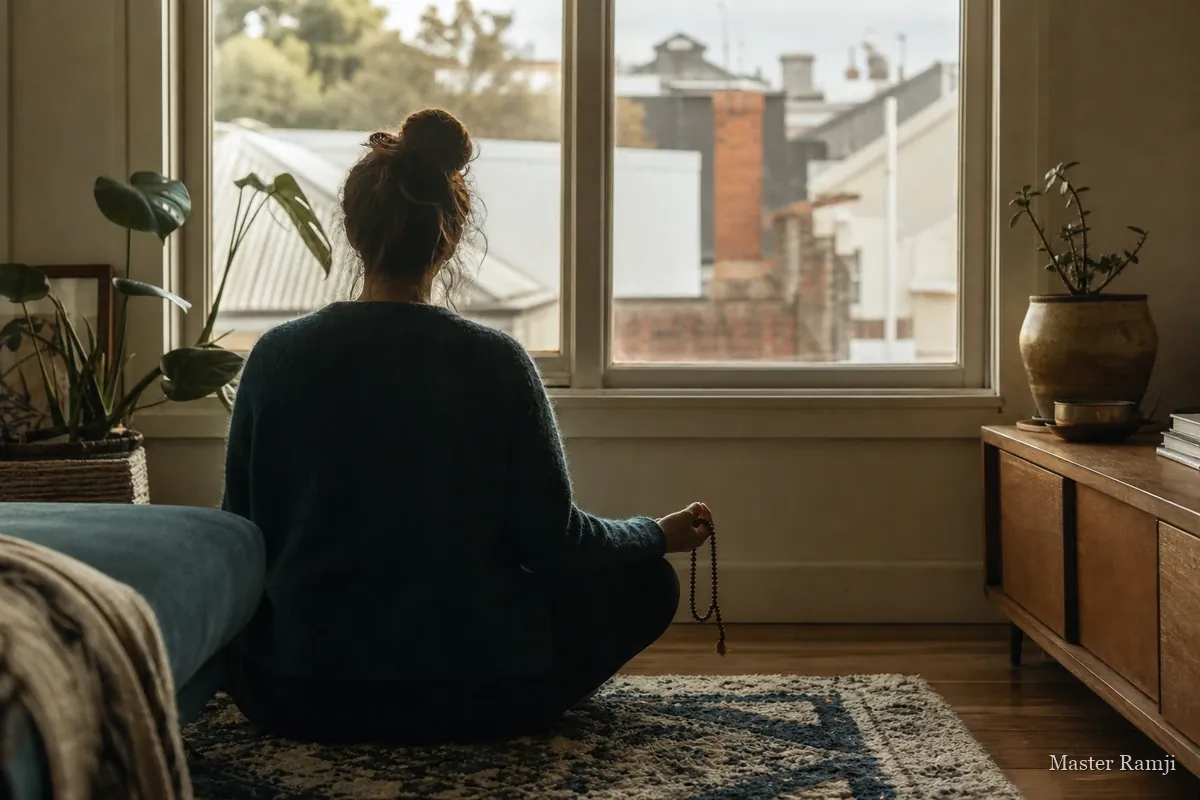
You can chant at home in a Brunswick flat without disturbing neighbours. Use a whispered or silent style of japa for most of your practice, chant aloud away from shared walls, and keep harmoniums and speakers inside EPA permitted hours. Check your owners corporation rules, and talk to neighbours before problems start.
Brunswick packs a lot of people into a small area. Victorian Places notes that the 1880s land boom saw many of its properties subdivided, and that subdivision was largely complete by the 1920s. Add the newer apartment blocks along and around Sydney Road, and many residents now share at least one wall, floor or ceiling with someone else.
That can make a morning mantra practice feel awkward. You want to chant with feeling, but you can hear your neighbour's kettle, so you know they can hear you. This page is about keeping your practice alive in a small space while staying on good terms with the people next door.
Key takeaways
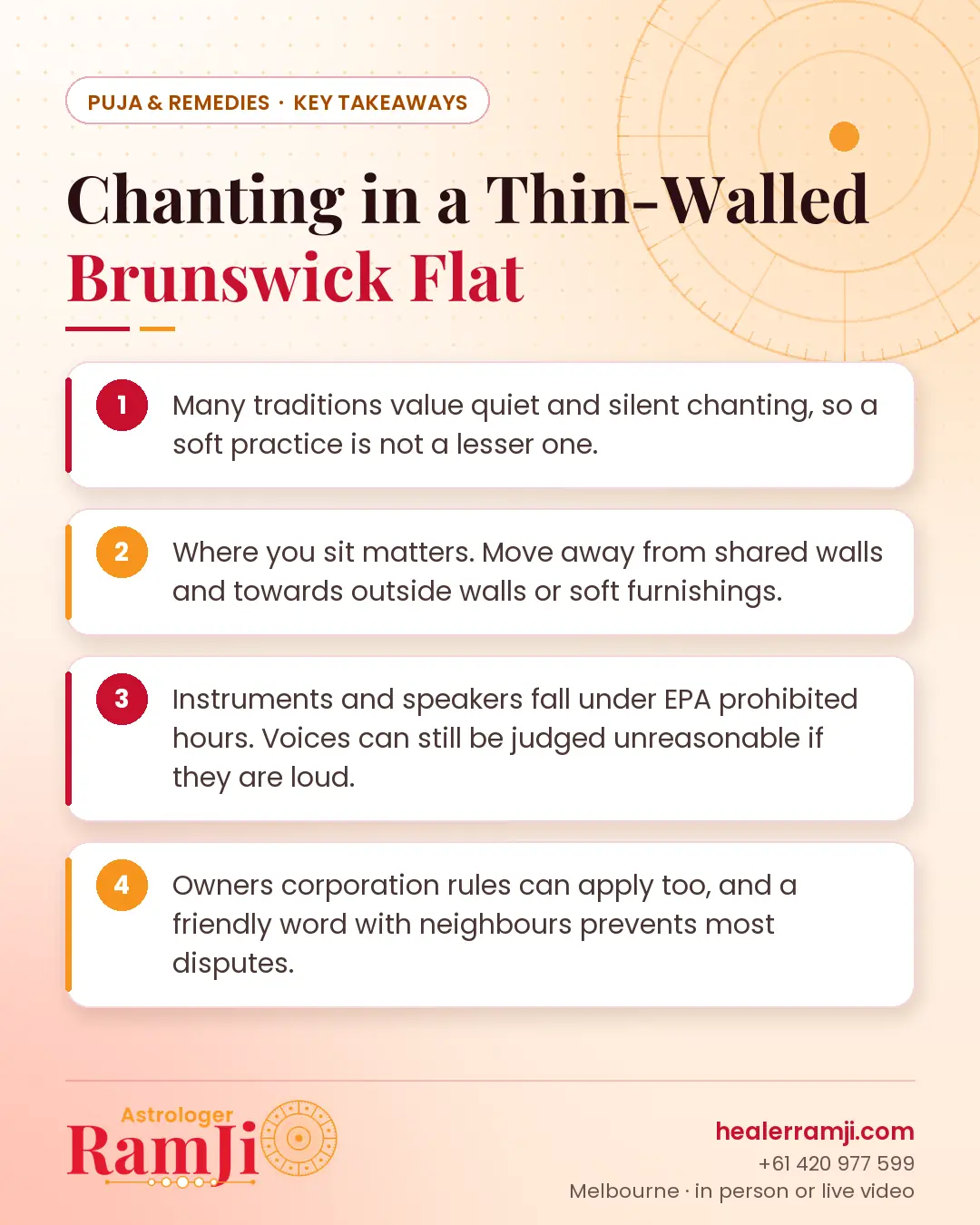
- Many traditions value quiet and silent chanting, so a soft practice is not a lesser one.
- Where you sit matters. Move away from shared walls and towards outside walls or soft furnishings.
- Instruments and speakers fall under EPA prohibited hours. Voices can still be judged unreasonable if they are loud.
- Owners corporation rules can apply too, and a friendly word with neighbours prevents most disputes.
Does a mantra have to be chanted aloud?
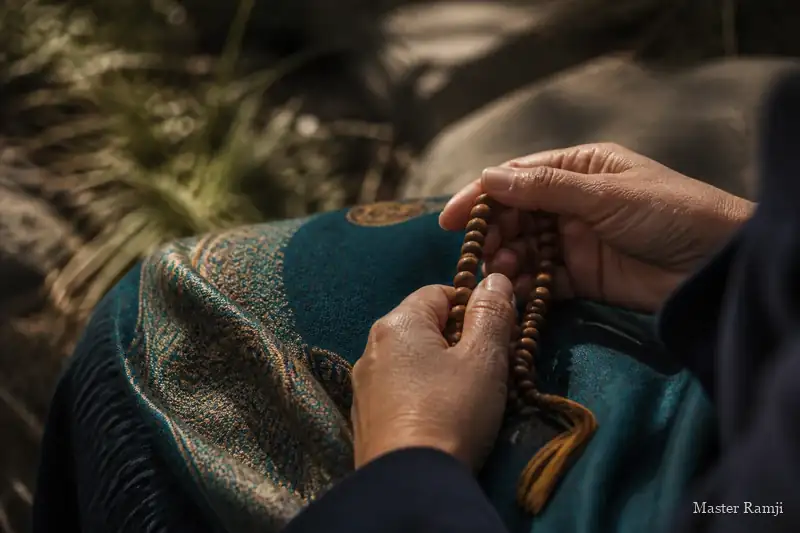
No. Traditional teaching on japa, the repetition of a mantra, commonly describes three ways of chanting. Vachika is spoken aloud. Upamshu is whispered, with the lips moving but little sound. Manasika is silent and inward. Some texts rank the quieter forms as more refined, though teachers differ on this, and some mantras are traditionally meant to be heard.
For a small flat, that gives you real choice. You might chant the first round aloud at a soft volume, then move into whispered repetition for the rest. If your guru or family tradition asks for a particular style, follow it, and adjust volume and timing rather than giving up the practice. For help building a routine that lasts, see how to start a mantra practice that lasts.
Where in a small flat should you chant?
Sound travels most easily through shared walls, floors and gaps around doors. A few changes help more than you might expect:
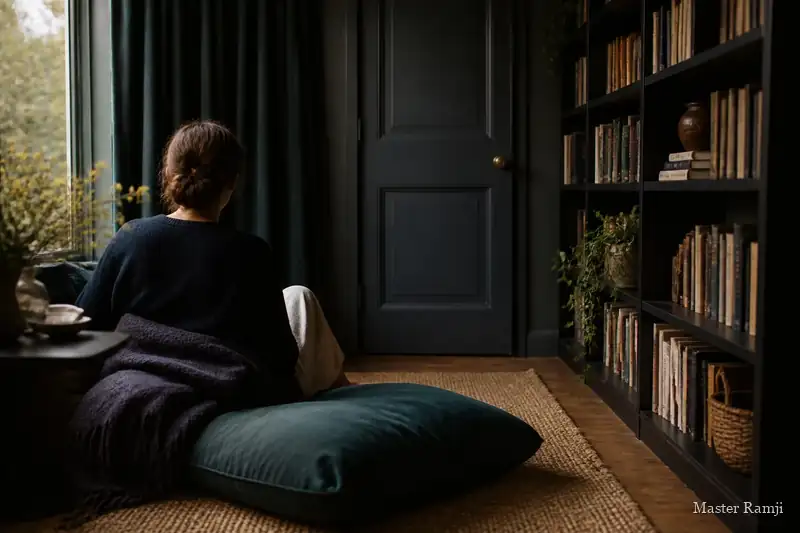
- Face an outside wall rather than the wall you share with a neighbour's bedroom.
- Sit on a rug or thick cushion, especially if you are upstairs. Soft surfaces absorb sound.
- Close the door and, if you can, chant in a room with curtains, a bookshelf or a wardrobe between you and the neighbours.
- Keep your voice low and steady. A gentle hum carries far less than a sharp, loud syllable.
Counting on a mala keeps your place silently, so you don't need to count out loud. If you have ever wondered why the count is usually 108, our explainer on mantra counts covers the reasons traditions give.
What does the EPA say about noise at home?
The EPA's residential noise page lists items that must not be heard in a neighbour's home during prohibited times. Musical instruments and electrical audio goods, including stereos, radios and TVs, are in the same group. For them, the prohibited times are:
- Monday to Thursday, before 7 am and after 10 pm
- Friday, before 7 am and after 11 pm
- Saturday and public holidays, before 9 am and after 11 pm
- Sunday, before 9 am and after 10 pm
So a harmonium, or a speaker playing recorded chants, belongs in that group. The human voice is not on the list, but the EPA also says a council officer may still find residential noise unreasonable outside those times if, for example, the volume is unnecessarily excessive. The EPA doesn't investigate residential noise itself. That is your council's role, which in Brunswick means Merri-bek City Council.
In practice, an early start is the main pressure point. A 5.30 am practice with a harmonium or speaker on a weekday sits inside the prohibited time for those items. Use headphones for recordings, and leave instruments for later in the day.
Do owners corporation rules apply to chanting?
If you live in an apartment block, your owners corporation may have its own rules. Where it hasn't made a rule on a topic, the model rules from Consumer Affairs Victoria apply. The model noise rule says an owner or occupier must not unreasonably create noise likely to interfere with the peaceful enjoyment of anyone entitled to use the common property.
That rule is about unreasonable noise, not about prayer. Quiet daily chanting is unlikely to be what it aims at. Still, check your own building's rules, and remember that a complaint process exists if a neighbour feels strongly. It is much easier to avoid one than to resolve one.
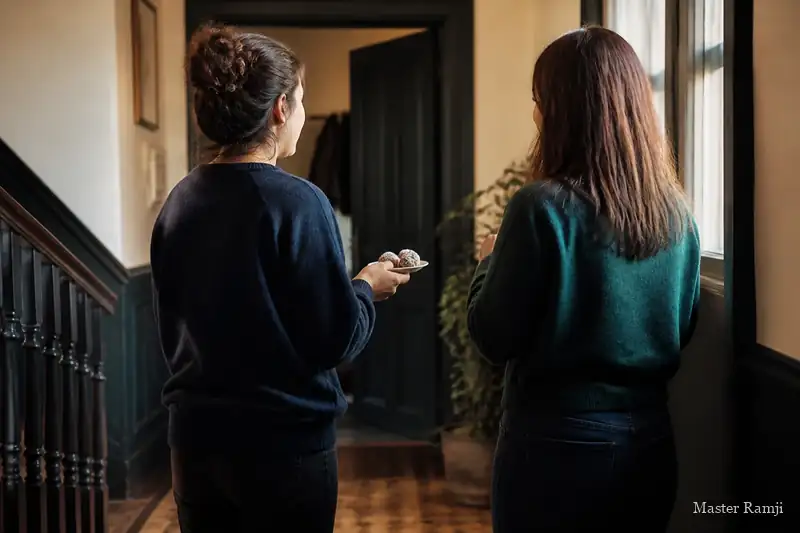
How do you talk to neighbours about it?
A short conversation early on can save months of tension. You might say that you pray or chant most mornings, that you try to keep it soft, and that you would like to know if it ever bothers them. Many people are far more relaxed once they know what the sound is and that you care.
If a neighbour does raise a concern, listen first. Ask which times or sounds are the problem, and offer a specific change, such as moving rooms or shifting a louder session to mid-morning on weekends.
What about bells, incense and lamps?
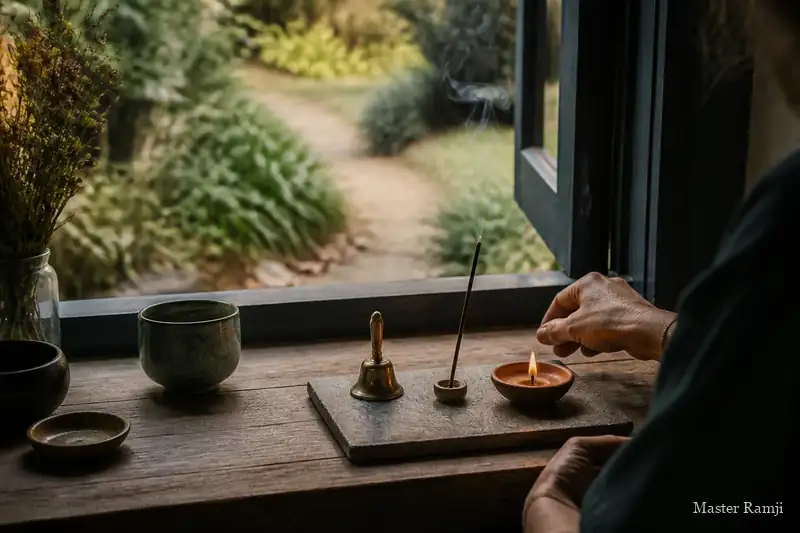
A puja bell is short but piercing. In a shared building, a single soft ring, or a small bell held close, is kinder than a long peal. Incense smoke can drift into shared hallways and may set off a smoke alarm, so use a little, open a window and never leave it burning when you go out. A small lamp should sit on a stable, heat-proof surface away from curtains.
Can a personal practice be built around a small home?
Yes. A personal mantra remedy plan can be shaped around your space, your hours and your tradition, with a mix of soft spoken and silent repetition. If you would like more general support with meditation, mantra and meditation guidance is another option. Mantra practice is a spiritual discipline that many people find calming. It isn't a treatment for anxiety or sleep problems, so please see a GP if those are troubling you.
Sessions can be held by phone, WhatsApp or video, which suits a small flat well. You can read more about our work in Melbourne's inner north and west, or get in touch to set up a quiet practice that works for you.
Related service
Keep reading
Pitru Paksha for Families in Springvale and Nearby
How families in Springvale and Melbourne's south-east can keep Pitru Paksha simply at home, find the right days for Melbourne, and share remembrance with neighbours.
Read article →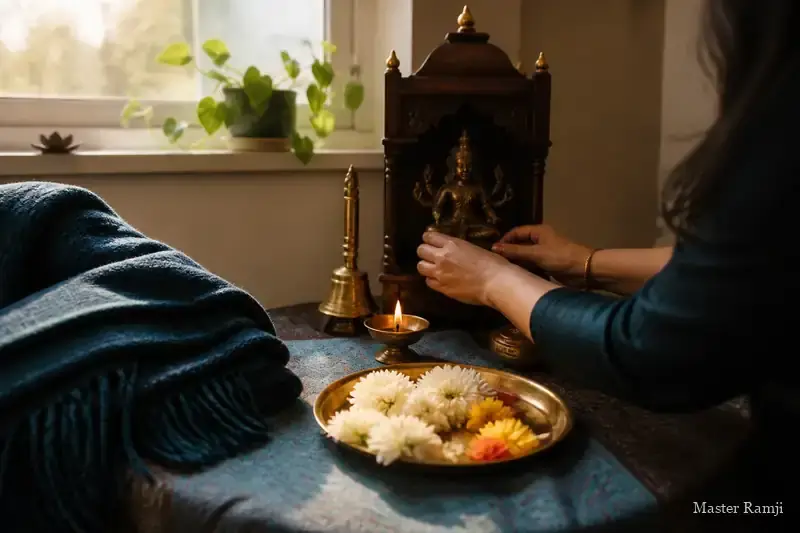
A Hindu Festival Planner for Regional Victoria
Planning festivals from regional Victoria? How Hindu festival dates are set by the lunar calendar, why they can differ from India, and how to plan temple trips.
Read article →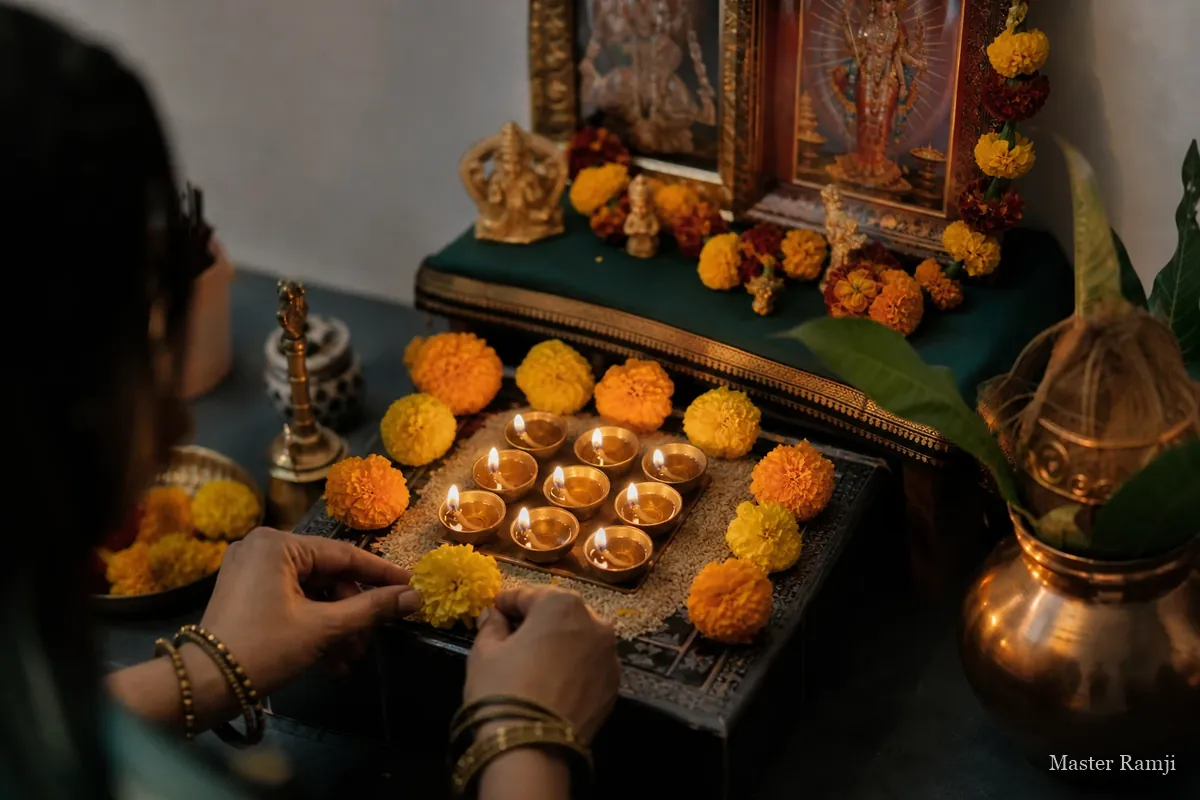
What Is a Graha Shanti Puja Meant to Do?
What a graha shanti puja is meant to do, what usually happens during the rite, what it cannot change, and the questions to ask before you agree to one.
Read article →More from Inner North-West Melbourne
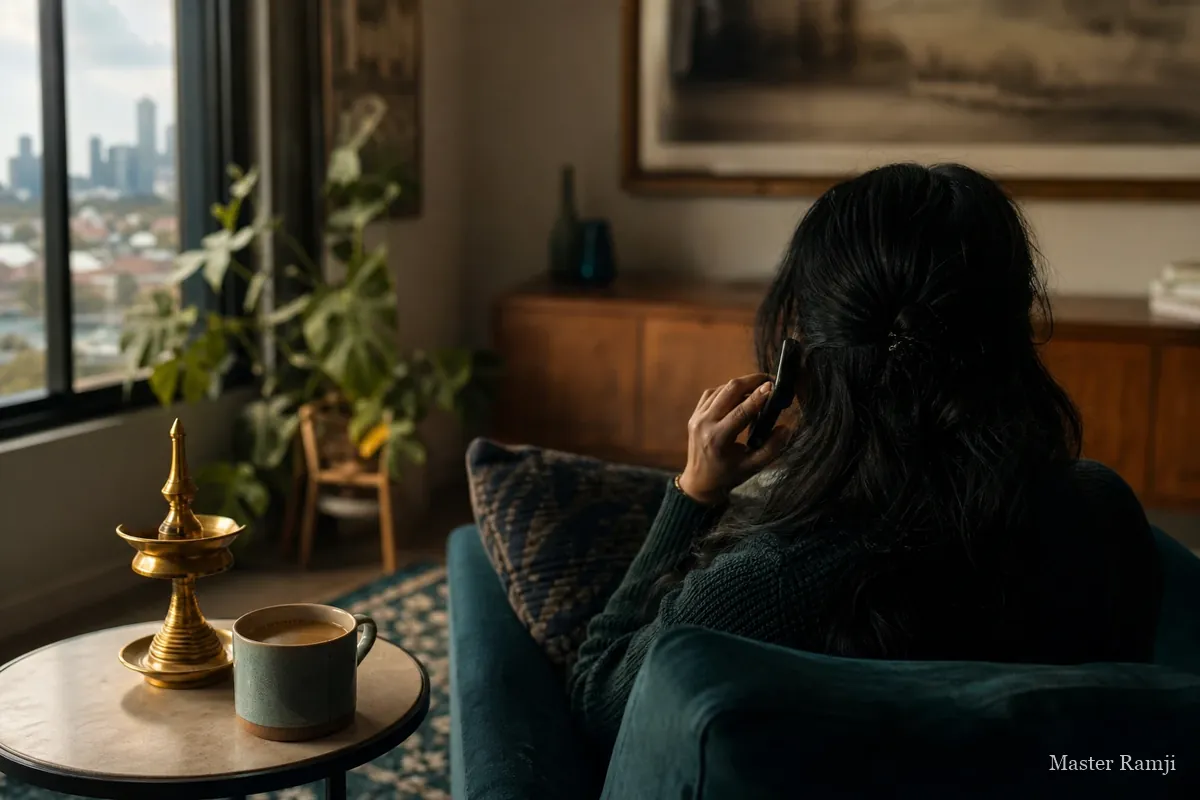
What to Expect at a First Reading in Ascot Vale
Booking a first reading with an astrologer based in Ascot Vale? How it works by phone, WhatsApp or video, what to prepare, and what a reading cannot do.
Read article →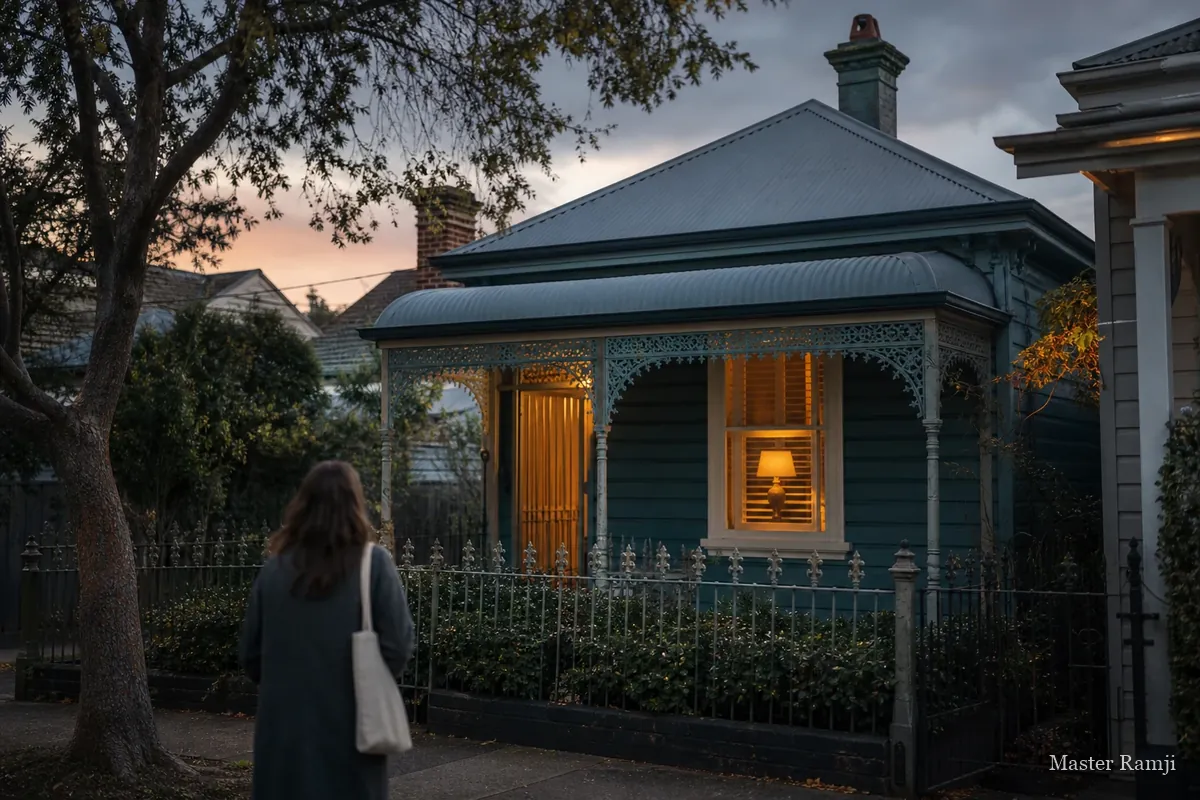
Vastu in Ascot Vale's Period Homes
Boom-era brick and weatherboard homes in Ascot Vale rarely match a vastu textbook. How to work with a period layout without harming its heritage fabric.
Read article →
Getting a Guna Milan Check Done Near Moonee Ponds
Your options for a guna milan check near Moonee Ponds, including family priests, nearby readers and video sessions, plus the details both partners should bring.
Read article →Local pages
Astrologer in Ascot Vale
Vijay Ramji is a Vedic astrologer and spiritual healer based in Ascot Vale, Melbourne. Sessions are held by phone, WhatsApp or video, booked in advance.
View area →Astrologer for Moonee Ponds
For Moonee Ponds homes, leased offices and family matches. Vijay Ramji is based in Ascot Vale, with sessions held by phone, WhatsApp or video.
View area →
Astrologer for Essendon
For Essendon households weighing up renovations, parents and teenagers, or a mixed-faith family. Based in Ascot Vale, with sessions by phone, WhatsApp or video.
View area →Quick answers
Do astrology remedies have to cost money?
Astrology remedies don't have to cost money. Many traditional ones are free, such as mantra and service. Here is when a fee is fair and when to walk away.
Read answer →Why are mantras chanted 108 times?
Mantras are chanted 108 times because 108 is a sacred number in Hindu tradition and the count of beads on a mala. Here are the usual explanations.
Read answer →Talk to Vijay Ramji
Tell us what you are facing. If a reading is unlikely to help, you will be told that plainly.