
Maha Shivaratri in Melbourne's South-East
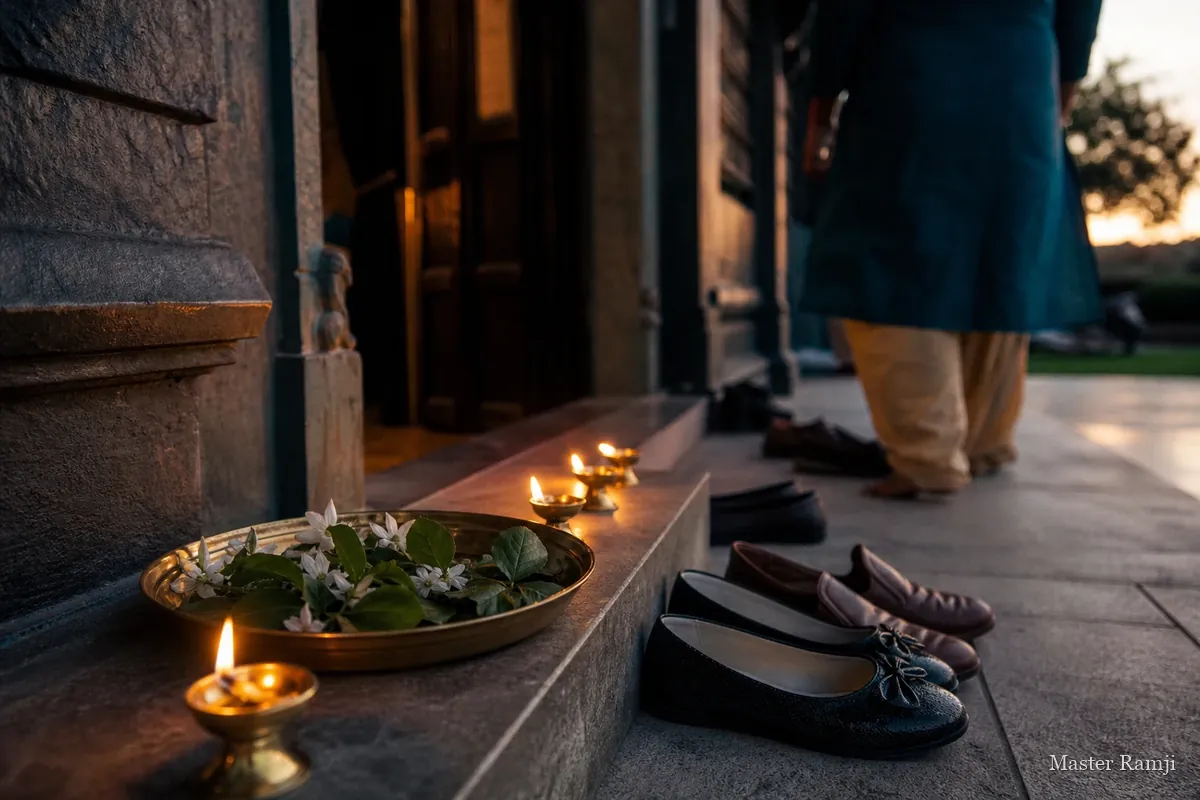
Maha Shivaratri in Melbourne often means a long night at a temple such as the one in Carrum Downs, then work the next day. Plan your fast around your health, choose which part of the night you will attend, arrange a lift or rest before driving, and confirm the program with the temple.
Maha Shivaratri asks a lot of you. In Melbourne's south-east, it can land on a Tuesday, with an early shift the next morning and a long drive between the temple and your bed.
Many families here look to the Shri Shiva Vishnu Temple at 52 Boundary Road, Carrum Downs, about 36 km south-east of central Melbourne. This page isn't a festival program. It covers how to keep the night meaningful and still get through the next day safely.
Key takeaways
- You can take part without staying awake until dawn. Traditions and families differ on what is expected.
- Sort out work, transport and food before the night, not during it.
- Don't drive when you are exhausted. Plan a lift, a bed nearby or an earlier finish.
- A fast should suit your health. If you have diabetes or take regular medicine, ask your doctor first.
What happens on Maha Shivaratri?
The festival falls on the fourteenth lunar day of the waning fortnight. Some calendars place it in the month of Magha and others in Phalguna, but they mean the same night. In Melbourne it usually comes in February or March. Local lunar timing decides the date, so a date sent by relatives in India may be a day out. Our guide to why festival dates differ in Australia explains how that happens.
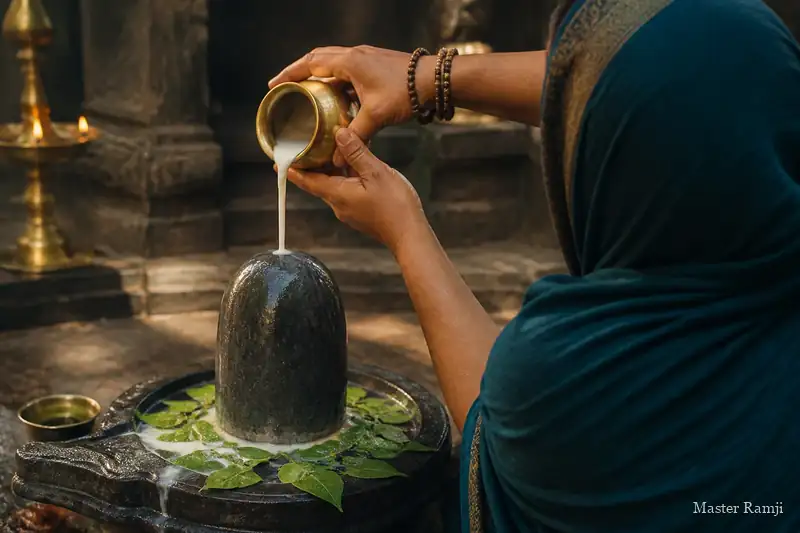
The heart of the night is a vigil, or jagarana. Temples commonly divide the night into four watches, called praharas, each with its own worship and chanting. Abhishekam, the bathing of the lingam with water, milk and other offerings, is central, and bilva leaves are the best-known offering. Many devotees treat midnight as the most sacred part.
Victoria is still on daylight saving at that time of year. Sunset comes late, so a night counted from sunset starts and ends later by the clock than you might expect.
What should you check with the Carrum Downs temple?
The temple's history page says the Hindu Society of Victoria runs it, with separate main shrines for Shiva and Vishnu. Some outside festival guides describe an overnight abhishekam there, so confirm the program on its Pooja Calendar and events pages closer to the time, or ask the office.
A few questions will shape your whole plan:
- When does each puja start, and which one would suit you?
- Can you arrange a Shiva puja or make an offering, and does it need booking?
- Where should you park, and how long might the queues be?
- Will food be available when you break your fast?
If you haven't been before, read our guide to a first visit to the Carrum Downs temple. A festival night may be far busier than a normal day.
Do you have to stay awake all night?
For many devotees, the full vigil is the point. Others keep part of the night and consider that sincere. Your elders or family priest can tell you what your tradition expects. These are three shapes the night can take:
- The full vigil. This suits a night when the next day is free, or when you have taken leave.
- One watch at the temple. Go after work for the first or second prahara, then head home and sleep.
- A home vigil. There is no drive, and you can stop when your body says so.
How do you plan around work the next day?
Most of the work happens before the night itself:
- Find the date early. Check with your temple or priest, then look at your roster.
- Ask for what you need. A day's leave, a later start or a swapped shift is easier to arrange with notice. You can simply call it a religious observance. For questions about your entitlements, ask the Fair Work Ombudsman or your union.
- Be honest about your job. If you drive for work, operate machinery or look after patients, don't turn up on no sleep. A shorter observance is the responsible choice.
- Rest beforehand. Sleep well the night before, and take a nap in the afternoon if you can.
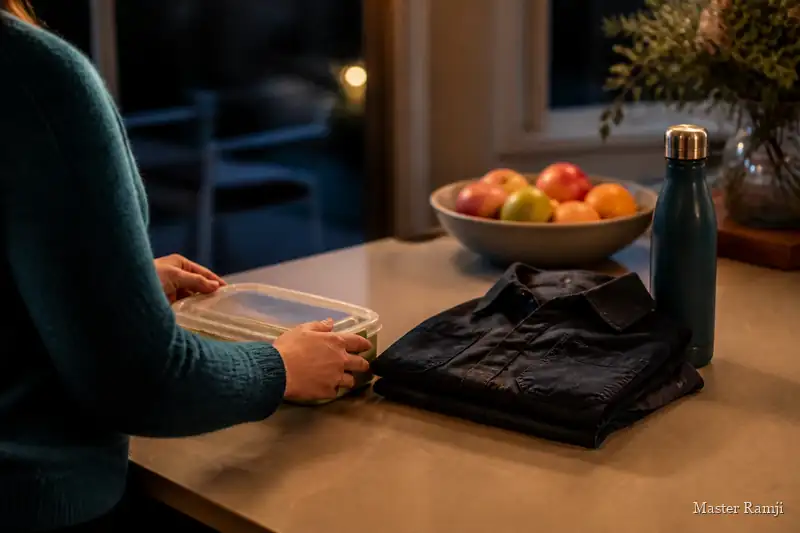
- Set up the next morning. Pack lunches, lay out uniforms and sort school runs before you leave.
As a generic example, someone starting early might take fruit and water through the day, attend the first prahara, get home well before midnight, and sleep. They could then chant quietly at dawn before work.
Is it safe to drive home from Carrum Downs?
Victorian Places notes that the Peninsula Link freeway, opened in 2013, connects Carrum Downs with Mount Martha, and Frankston-Dandenong Road runs through the suburb's north. Many visitors will be on fast roads late at night, after a day with little food.
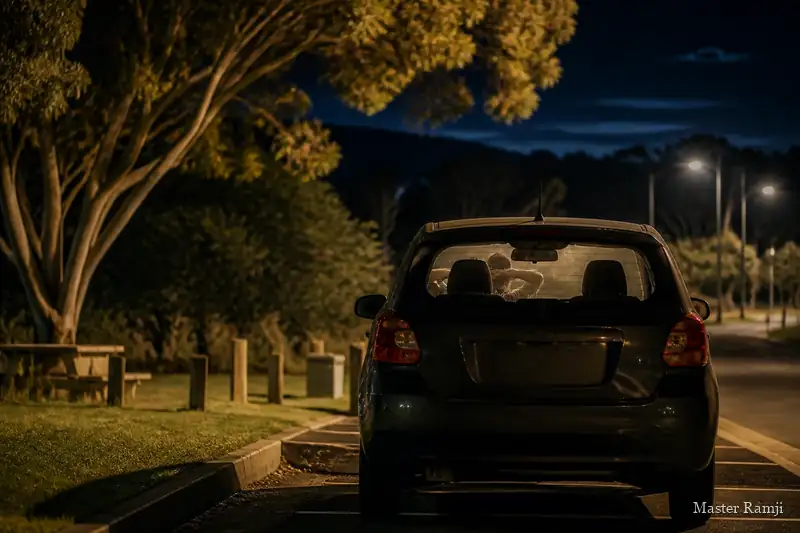
A Victorian Government release on a TAC campaign says drivers are four times more likely to crash after less than five hours' sleep. It also links tired drivers to about a fifth of the state's fatal crashes each year. A night of prayer doesn't change that, so make a plan:
- Choose a driver who slept during the day, and let them leave the vigil to rest.
- Ask a relative or friend living closer, perhaps in Cranbourne, Frankston or Dandenong, if you can stay over.
- If you catch yourself nodding off, pull over somewhere safe and rest. Don't count on coffee or an open window.
How should you approach Shivaratri fasting on a work day?
There is a wide range. Some people take no food or water, and others have only fruit and milk. Many avoid grains, onion and garlic, and the fast usually ends the next day after bathing and worship.
Late summer in Melbourne can still bring very hot days, so going without water through a shift is a real risk. If you are working, a fruit and water fast is a sensible choice to raise with your elders.
The National Diabetes Services Scheme says it is very important to talk with your doctor about managing a fast if you have diabetes. Also ask a GP first if you are pregnant or breastfeeding, take regular medicine or have a history of eating problems. Children and frail older people can join in without fasting at all. If you feel faint or unwell, eat and drink. Our guide to fasting safely goes further.
What if you keep the night at home?
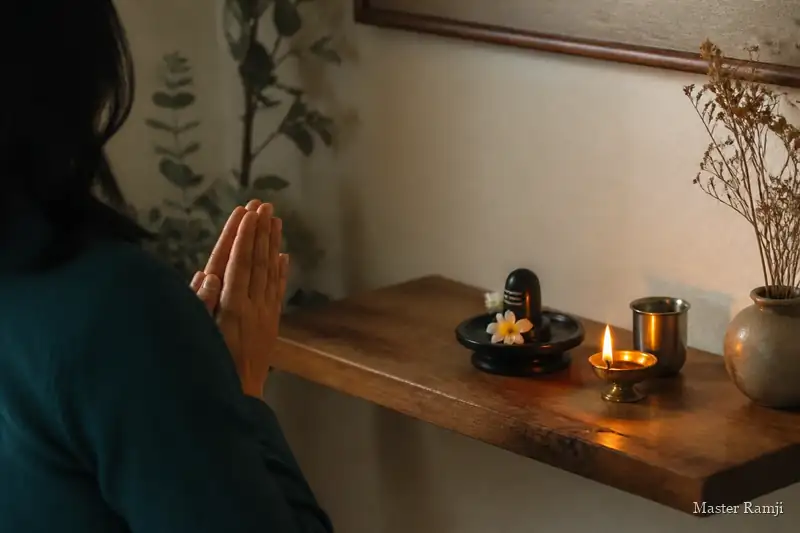
A home observance can be very simple. Clear a small corner, set up an image or a small lingam, and offer water and a flower. Bilva leaves may be hard to find, so don't worry if you go without. Some puja shops in Dandenong's Little India are worth asking ahead of time.
You could chant Om Namah Shivaya for as long as you comfortably can. The number matters less than the attention, as our note on why mantra counts are 108 explains. If you already follow a personal mantra plan, you can keep to your usual practice. Put out any lamp before you lie down, and keep it well away from curtains.
What can't the night do?
Shivaratri is an act of faith. It isn't a proven way to change a job, an illness or a marriage.
Be wary of anyone charging a large fee for a "special night" puja with promises attached, or warning that harm will follow if you miss a fast. Ask for the cost upfront and feel free to say no.
For more guides to this side of town, see our page for Melbourne's south-east. If you would like to talk through a mantra routine that fits your roster, sessions can be held by phone, WhatsApp or video. You are welcome to get in touch.
Related service
Keep reading
Visiting the Hare Krishna Temple in Albert Park
Visiting the Hare Krishna temple on Danks Street in Albert Park? What to wear, how to get there, what happens inside, and how it differs from other temples.
Read article →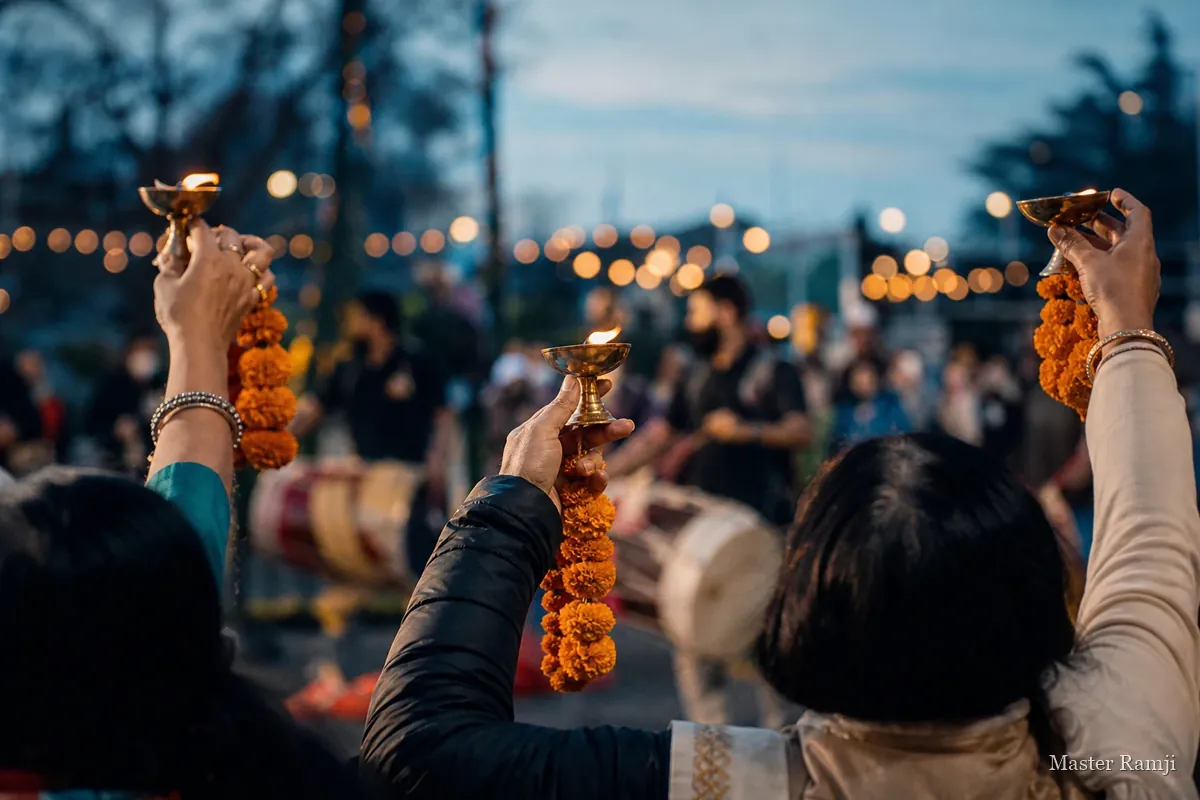
Ballarat's Ganesh Festival: A Newcomer's Guide
New to the Ganesh festival in Ballarat? What the community event involves, how to take part respectfully, and how to find this year's program.
Read article →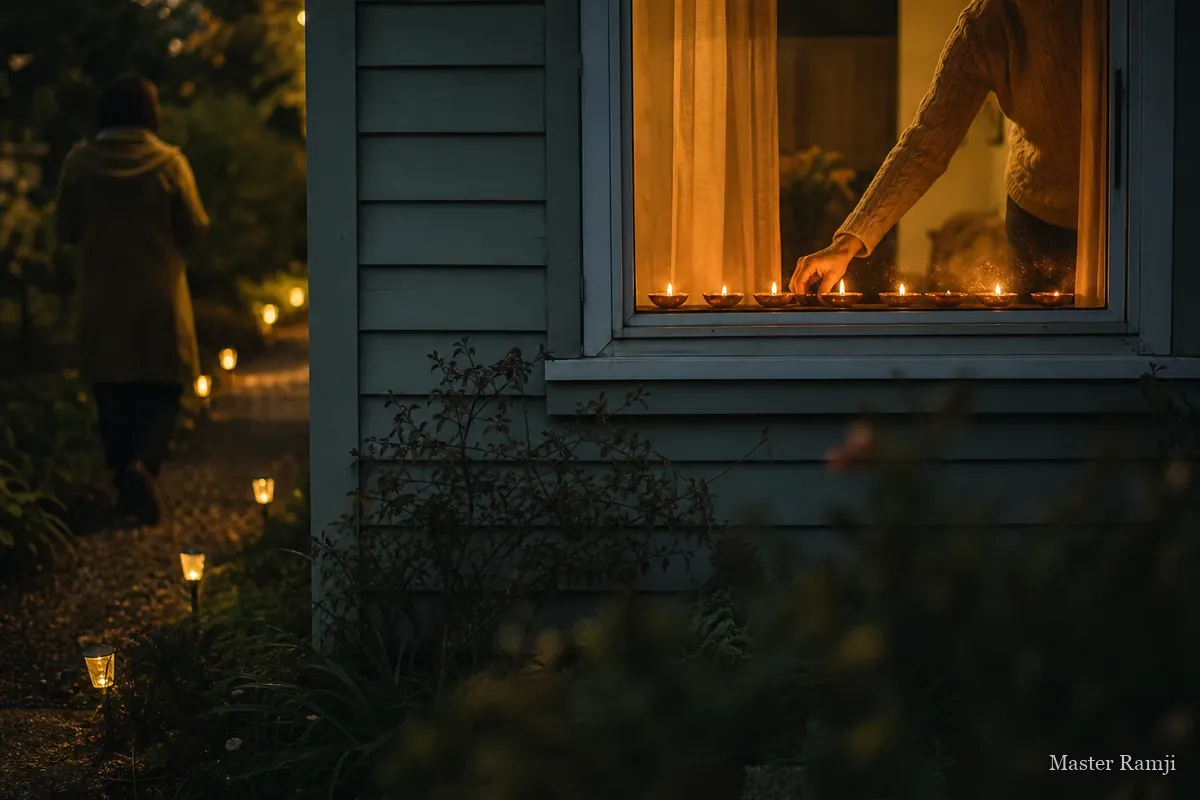
Diwali in Ballarat
Diwali in Ballarat: who has hosted the community celebration, how to confirm this year's plans, and how to keep a home Lakshmi puja warm and safe in spring.
Read article →More from Melbourne's South-East

Students in Clayton: Love, Family and Expectations
An international student in love in Clayton, with family pressure from home? How to think it through, what to share, and where to get real support.
Read article →
Graduating in Clayton: What to Do With Career Timing
Graduating in Clayton with a visa clock and family expectations? What to sort out first, where to get free advice, and what career astrology can't decide.
Read article →
Spiritual Healing in Multicultural Springvale
Spiritual healing in Springvale can mean many traditions. Learn how they differ, how to check a practitioner, and which warning signs to take seriously.
Read article →Local pages
Astrologer for Dandenong
For Dandenong traders and new arrivals: shop timing, vastu for premises, and how to check any spiritual adviser. Sessions by phone, WhatsApp or video.
View area →Astrologer for Clayton
For Clayton students and graduates dealing with family pressure, relationships and first jobs. Vedic astrology by phone, WhatsApp or video, from Ascot Vale.
View area →Quick answers
Do astrology remedies have to cost money?
Astrology remedies don't have to cost money. Many traditional ones are free, such as mantra and service. Here is when a fee is fair and when to walk away.
Read answer →Why are mantras chanted 108 times?
Mantras are chanted 108 times because 108 is a sacred number in Hindu tradition and the count of beads on a mala. Here are the usual explanations.
Read answer →Talk to Vijay Ramji
Tell us what you are facing. If a reading is unlikely to help, you will be told that plainly.