
Protecting a Foothills Home in Boronia
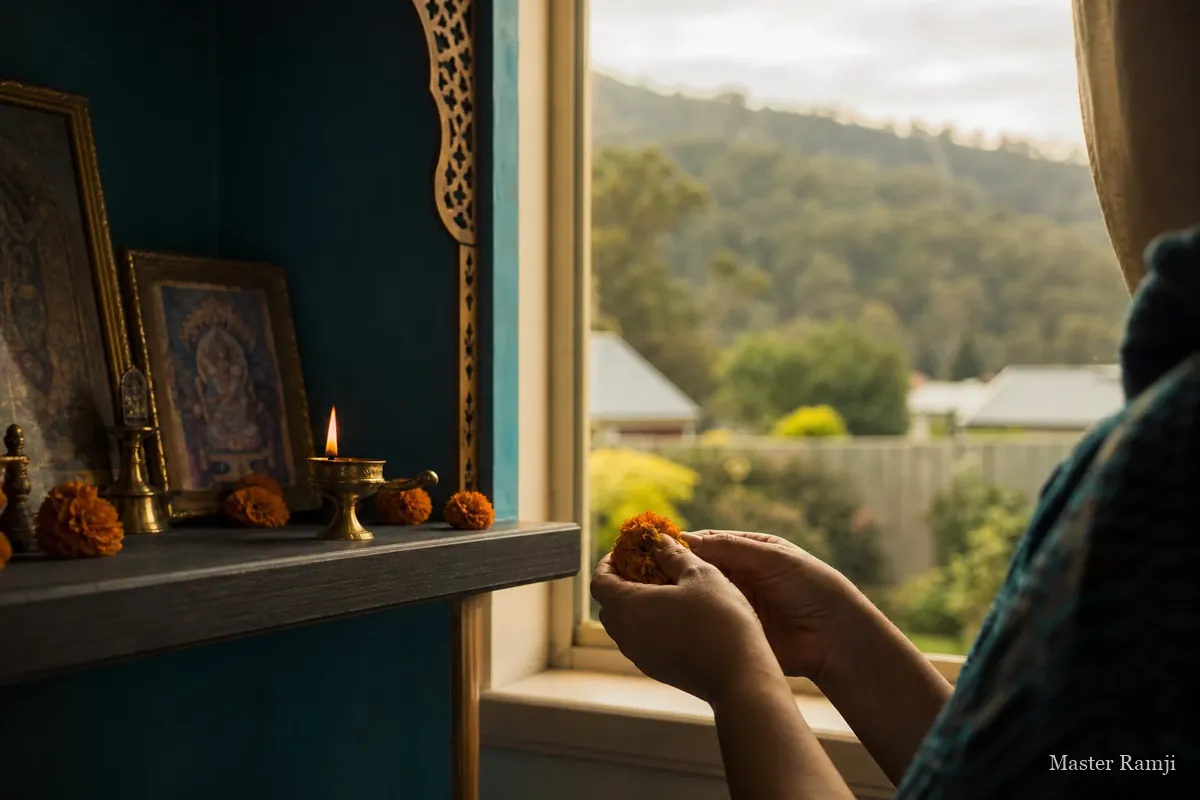
Protecting a home in Boronia means two separate jobs. Bushfire safety belongs to CFA guidance: a written plan, a prepared property and leaving early on high-risk days. A home cleansing with lamp or camphor is a spiritual custom. It gives no protection from fire, so keep flames small, attended and indoors.
Boronia sits in the City of Knox at the foot of the Dandenong Ranges, 29 km east of central Melbourne. It takes its name from the plants Albert Chandler grew at his nursery, and the railway station arrived in 1920. Today, many streets here are a short drive from bush, and The Basin is next door.
Some households in the foothills also keep a lamp burning at the home shrine, or pass camphor through the rooms after a hard year. That's a personal and spiritual choice. This guide starts with something that isn't a matter of belief at all: fire behaves the same way whatever you practise.
Key takeaways
- No ritual, blessing or cleansing protects a home from bushfire. Your safety plan comes from the CFA.
- Write a bushfire plan, prepare your property and decide your trigger for leaving.
- Keep any lamp or camphor small, attended and indoors, and follow CFA's flame safety rules.
- On high-risk days, skip the flame. A prayer needs no fire.
Can a home cleansing protect you from bushfire?
No. A home cleansing is a religious or cultural custom. It may help your household feel settled, and that can matter. But it doesn't change how a fire spreads or how your house will cope with embers, and nobody should tell you otherwise.
Please treat any claim that a ritual, amulet or vastu change will keep fire away as a warning sign. If someone uses bushfire fear to sell you a ceremony, don't pay. The real protection is planning, preparing and leaving early.
What does the CFA ask you to do?
The CFA is the authority here, so use its pages and not this one for your actual plan. A few of its main points:
- Make a written plan. Knox City Council notes that the CFA recommends everyone has a written Bushfire Survival Plan. The CFA says planning to leave early is very important if you have younger children, are older, are unwell or can't drive.
- Check the Fire Danger Rating every day in bushfire season. Ratings are forecast four days ahead.
- Know when you will go. CFA's advice on when to leave is that people in high fire risk areas should leave the night before, or by 10 am, on days rated Extreme or Catastrophic. On Catastrophic days, it says to leave bushfire risk areas for your survival.
- Don't wait for a warning. The CFA warns against waiting for an official message to leave. If you see flames or smell smoke, trust your instincts and call 000.
- Stay informed. Set a watch zone in the VicEmergency app, or call the VicEmergency Hotline on 1800 226 226.
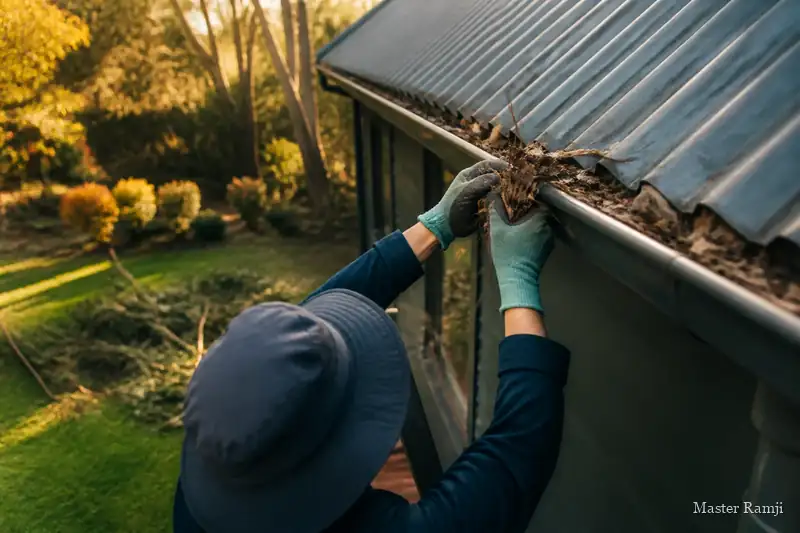
The CFA's list for preparing a property includes clearing gutters, cutting back branches that overhang the house, moving wood piles away, storing fuels and chemicals away from the home, and keeping grass well mown. Do these before the Fire Danger Period begins. Dates change each year, so check with the CFA or Knox.
Is every Boronia home at the same risk?
No, and it would be wrong to guess. Knox warns that fires "can occur where the suburbs meet the bush". Its fire page lists Community Information Guides for nearby places, including The Basin, Ferntree Gully and Upper Ferntree Gully. A guide for a neighbouring area doesn't tell you the risk at your own address, and it doesn't mean you can ignore it if your suburb isn't named. Grassland and scrub matter too, and the CFA notes that bushfire risk isn't limited to the country.
Ask the CFA or Knox about your street. If you have just bought or are thinking of buying, check bushfire risk and any planning requirements with the council as well.
How do you keep a lamp and camphor practice safe?
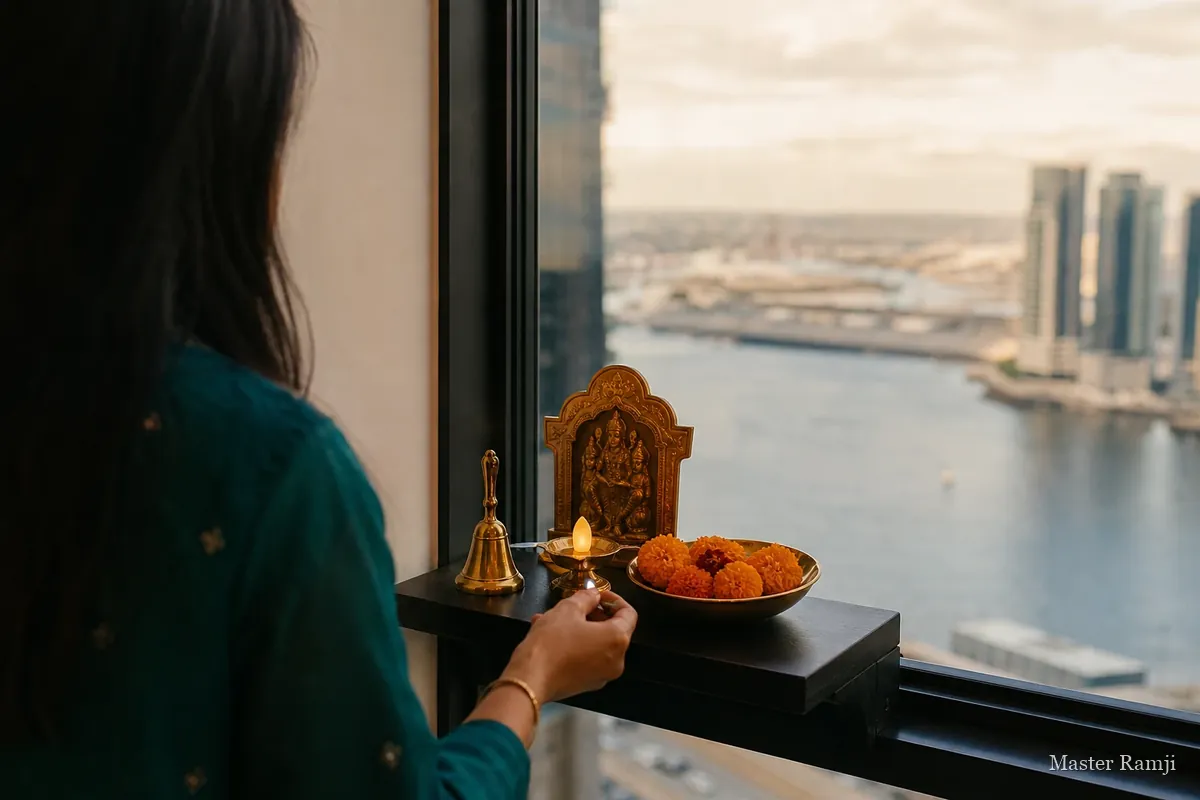
CFA's advice on candles, oil burners and incense applies to diyas and similar flames too, even though it doesn't name them. In short:
- Never leave a flame burning with nobody around. Put it out before you go out or go to sleep.
- Stand it on a stable, hard surface, at least one metre from anything that can easily catch fire, including curtains, flowers and cloth.
- Keep flames, lighters and matches away from children, and never leave children alone near them.
- Keep hair and loose clothing, including saris and dupattas, away from the flame.
- Avoid breezes and draughts, and don't move a burner while it's alight.
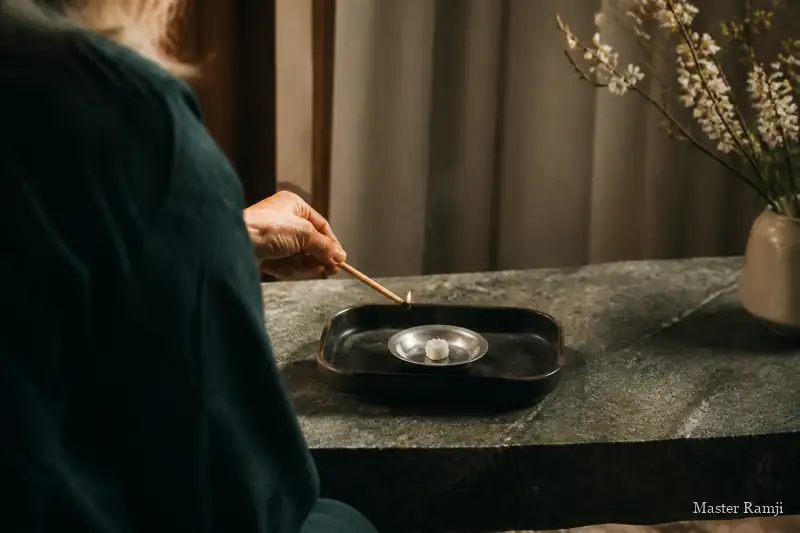
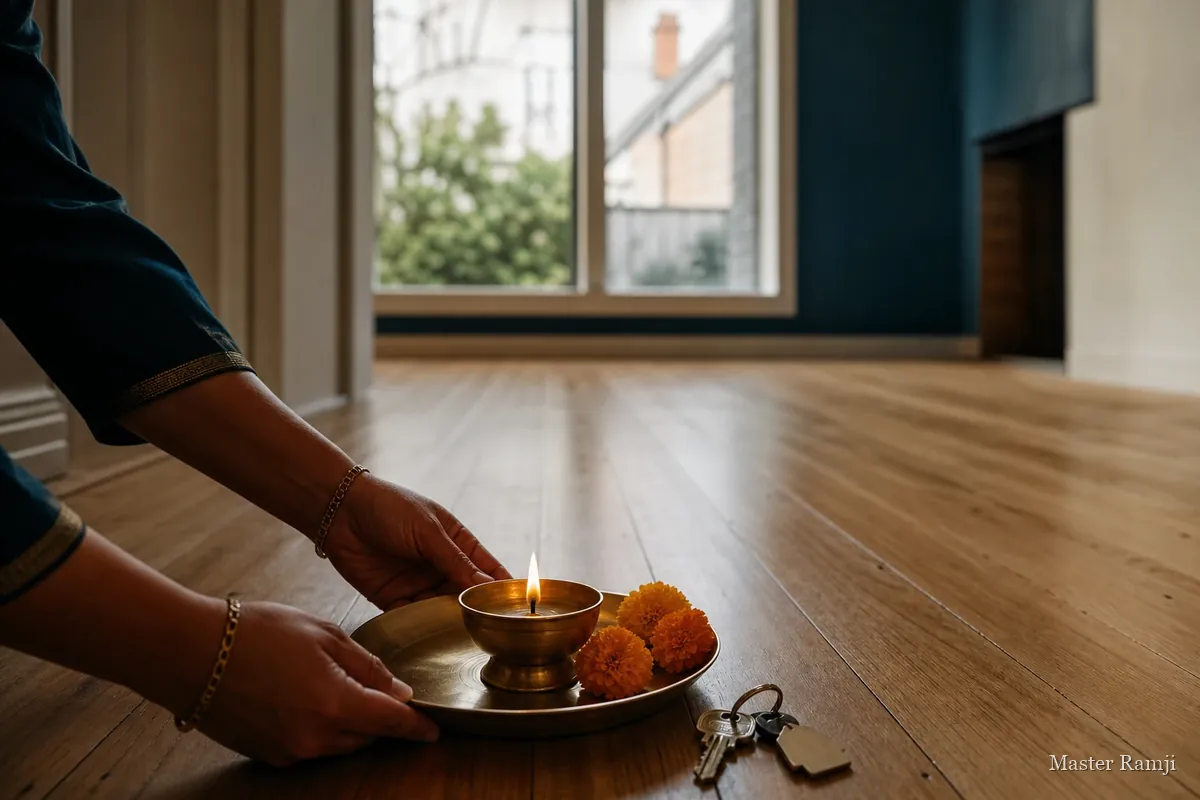
Camphor needs extra care. It lights quickly and burns hot, so use a small piece on a metal plate, set on a heat-resistant tray. Don't carry it through rooms if a steady hand is hard to manage. Let the plate cool fully before you touch it.
Austin Health's Victorian Poisons Centre warns that swallowing even a small part of a camphor block is potentially fatal for a child, and that a child who has swallowed any needs immediate medical assessment. It advises against keeping camphor blocks in the house at all. If your family still uses camphor for worship, weigh that advice, buy only what you need and store it well out of children's reach.
Consider a battery-operated lamp on days you can't watch a flame. The CFA suggests battery-operated candles as an alternative, and some families are happy to use one at a home shrine.
What about carrying a flame outdoors?
Some customs involve walking around the outside of the house with a lamp or camphor. In a foothills garden, don't do this in fire season. The CFA restricts many outdoor fires during the Fire Danger Period and bans others on Total Fire Ban days. Its rules don't list lamps or camphor by name, so treat any outdoor flame as off limits on those days, and ask the CFA if you are unsure.
Dry leaves, mulch and a sudden gust don't care about your intentions. If your family wants that outdoor round, walk it with prayer alone, or leave it for a cool, still day well outside the season.
Can you cleanse a home without any flame?
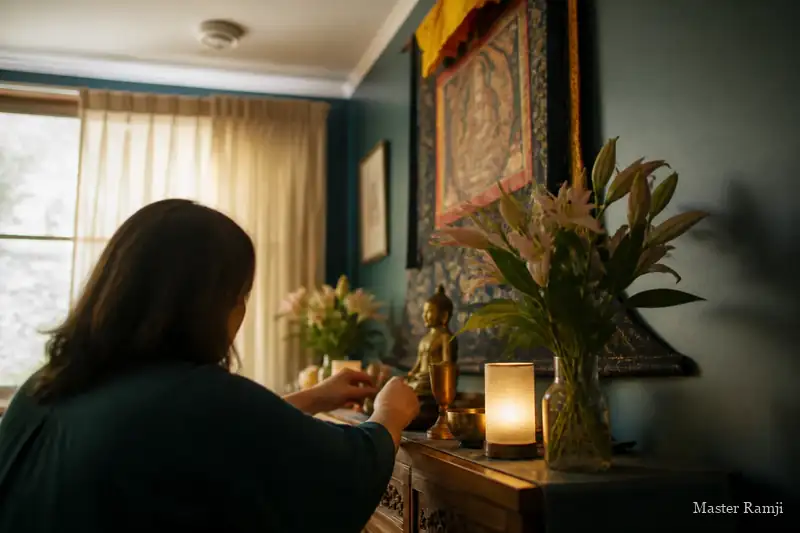
Yes. A traditional cleansing often begins with tidying, opening windows and clearing clutter. Prayer, mantra and a bell or a little salt can stand in for fire. Our guide to salt and camphor cleansing explains the customs, and what happens during a cleansing sets out the steps people usually expect.
A simple rule can help at home: no open flame on Extreme or Catastrophic days, full stop. If your plan says to leave on those days, you won't be home anyway.
What if bushfire worry won't leave you alone?
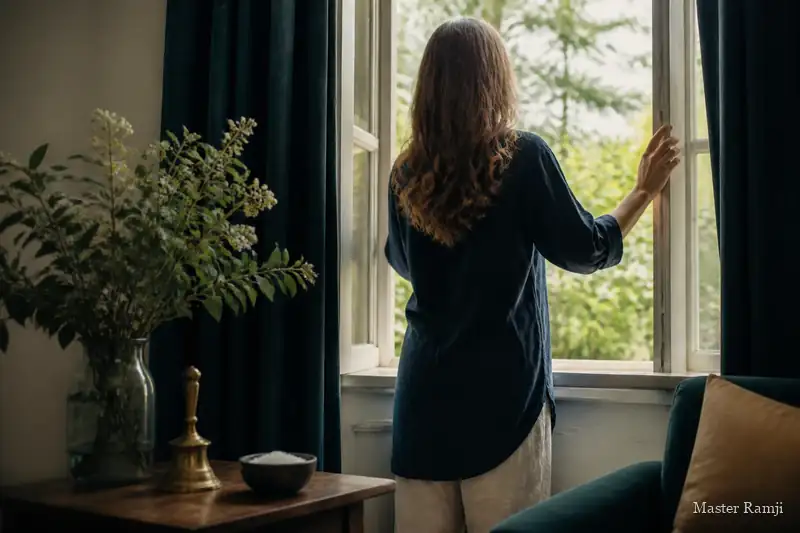
Living near the bush can be stressful, especially if you have been through a fire before. Preparing tends to help, because it gives you something to do. If the worry is affecting your sleep or your days, speak to your GP. Beyond Blue is on 1300 22 4636, and Lifeline is on 13 11 14 at any hour.
If someone has told you the worry is a curse, please read our article on fear after being told you are cursed before you pay for anything.
Where does home cleansing fit, then?
Home cleansing is for people who want to mark a new start in a house, as part of their own tradition. It's done in the belief that it brings calm, and it can't promise anything more. It will never replace a smoke alarm, a fire plan or leaving early. Sessions can be held by phone, WhatsApp or video, and fees are stated before any paid work.
For more local guides, visit our eastern suburbs page. If you would like to talk through a flame-free way of keeping your practice, get in touch.
Related service
Keep reading
Cleansing a Kensington Townhouse Before Moving In
Moving into a Kensington townhouse? How to plan a short house blessing with neighbours through the wall, including timing, noise, smoke and what to skip.
Read article →
Moving Into an Older Home in Sunshine
Moving into an older home in Sunshine? Check asbestos, gas heaters and damp first, then settle the house with a simple blessing that disturbs nothing.
Read article →
Cleansing a Shared House in Reservoir
Renting in a Reservoir share house? How to do a smoke free cleansing that respects your housemates, smoke alarms and lease, and what a ritual can't fix.
Read article →More from Melbourne's Eastern Suburbs
Spiritual Practice in Retirement: Ideas From Croydon
Retired in Croydon and missing the shape of a work day? Simple ideas for a spiritual routine, mantra practice and purpose, with honest limits on what it can do.
Read article →
Temples and Prayer Spaces in Melbourne's East
Looking for a Hindu temple in Melbourne's east? Temples at The Basin, Boronia and Huntingdale, what to know about Box Hill, and how to plan your visit.
Read article →
Told to Buy a Costly Gemstone? A Doncaster Buyer's Pause
Told by an astrologer to buy an expensive gemstone? What to do in Doncaster before you spend thousands: written details, valuations and your rights.
Read article →Local pages
Quick answers
How long does a home cleansing take?
There is no set time for a home cleansing. Here is what changes the length, what to ask before you book, and why open-ended courses are a warning sign.
Read answer →What do people mean by black magic?
Black magic usually means the belief that ritual can harm someone. Here is what the term covers, what it can't show, and what to do if you're worried.
Read answer →Talk to Vijay Ramji
Tell us what you are facing. If a reading is unlikely to help, you will be told that plainly.