
A Dasha Change Is Coming: Planning From Mount Waverley
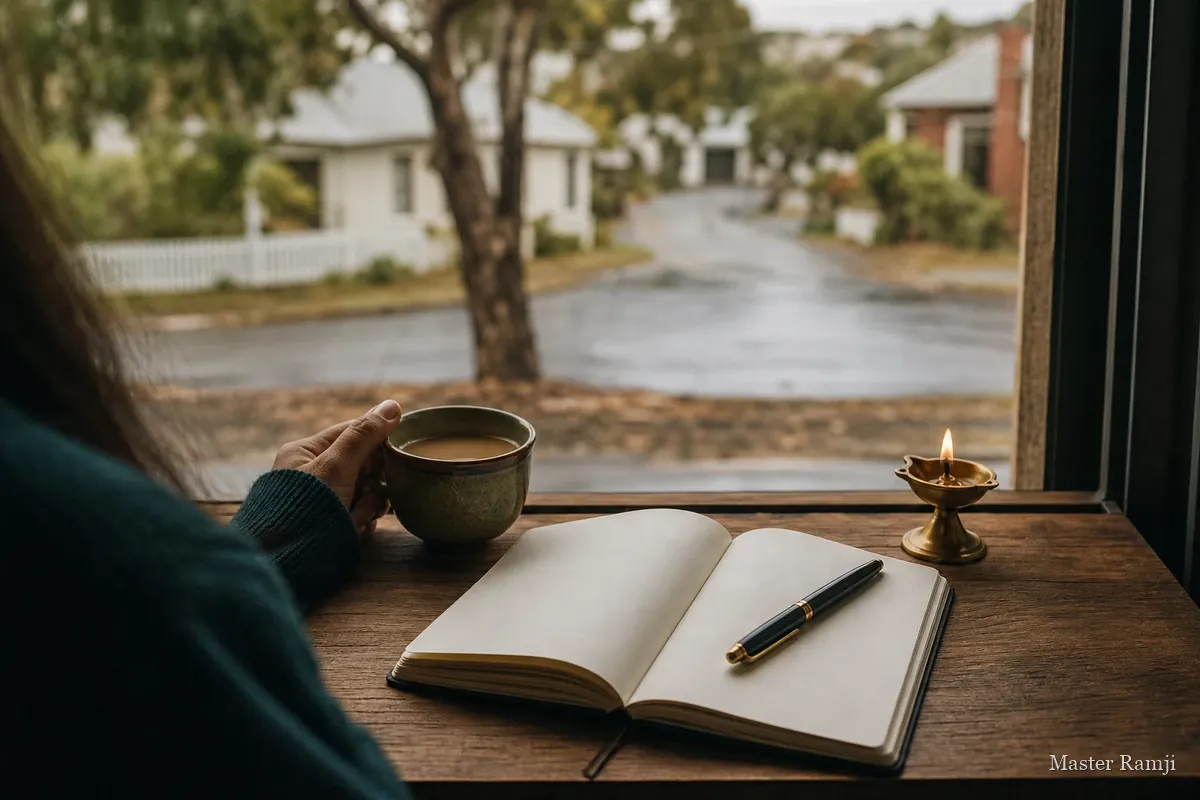
If a dasha change is coming, first check the date against your birth details, then list the decisions due over the next year or two. Readers in Mount Waverley can treat it as planning time, not a warning. A dasha is a traditional framework. It can't foretell loss or replace professional advice.
Someone has looked at your chart and told you a new period starts soon. Maybe they said it gently. Maybe a relative added "be careful" and left it there. Either way, you now have a date in your head and no clear idea what to do about it.
This guide is about turning that date into a sensible plan. Mount Waverley is a good place to think about it. Households here, about 15 km south-east of central Melbourne, may already be juggling a mortgage, school choices and parents overseas. A change of dasha doesn't add to that list. It's simply a reason to look at the list properly.
Key takeaways
- A dasha change is a traditional marker of a new phase. It doesn't make anything happen.
- Check the date first, as software and traditions can differ.
- Plan as you would for any big year: decisions, money questions, health checks and family talks.
- Nobody needs a costly remedy because a period is changing.
What actually changes at a mahadasha change?
In the Vimshottari system, life is divided into nine planetary periods totalling 120 years. Each one has a fixed length, from 6 years for the Sun to 20 for Venus. You are born part-way through one, set by the Moon's position, and you move through the rest in a fixed order. Our short answer on what a dasha is lists them all.
Because the periods are long, a mahadasha change is rare. Most people see only a handful in their lifetime. Each major period also divides into sub-periods, called antardashas or bhuktis, so a smaller vimshottari period change happens far more often. Tradition usually starts each new mahadasha with the sub-period of its own planet.
What changes, in the tradition, is the theme a reader looks at. Nothing in the sky switches on at midnight. The tradition offers a way of framing a stretch of your life, and it has no scientific backing as a forecast.

Is your date even right?
Check this before you plan anything around it. Dasha dates are calculated from the Moon's exact position at birth, so several things can move them:
- Your birth time. The Moon moves steadily, so an error of an hour can shift a date by months. Our guide to why accurate birth details matter explains how to check yours.
- The calculation settings. Astrologers use different ayanamsas and sometimes different year lengths. Two apps can give dates some distance apart.
- The place of birth. A wrong time zone setting can have the same effect as a wrong time.
So treat the date as approximate. If your whole plan depends on one specific day, the plan needs changing, not the date.
What does the "junction" between periods mean?
You may hear the term dasha sandhi, meaning the join between two periods. Some astrologers read this as an unsettled time. They don't agree on how long it lasts, with astrology sites giving anything from a few months to more than a year on each side. A claim that varies that much is not one to organise your life around.
If the idea helps you slow down and avoid rushed decisions, that's a fair use of it. If it makes you scared to sign a lease or book a flight, it isn't serving you.
So what should you do about a dasha change?
A few months before the date, sit down with a notebook and work through these steps:
- Write down where things stand. Cover work, money, health, relationships and family. Keep it to a page.
- List the decisions due in the next two years. A job move, a school zone, a visit to ageing parents, a lease or a loan ending.
- Sort them. Mark which have real deadlines and which you've been avoiding. A period change is a useful excuse to deal with the second group.
- Get the right advice. A chart has nothing to say about your super or your blood pressure. Book the GP, the registered financial adviser or the lawyer for those questions.
- Pick one small habit. Morning prayer, a walk or an evening without screens. Something you can keep going whatever the year brings.
- Keep a simple record. Jot down a line or two each month. In a year you'll be able to see what happened, instead of relying on what you were told would happen.
Notice that none of this depends on which planet is coming. It's good planning in any year.

Where can you think this through in Mount Waverley?
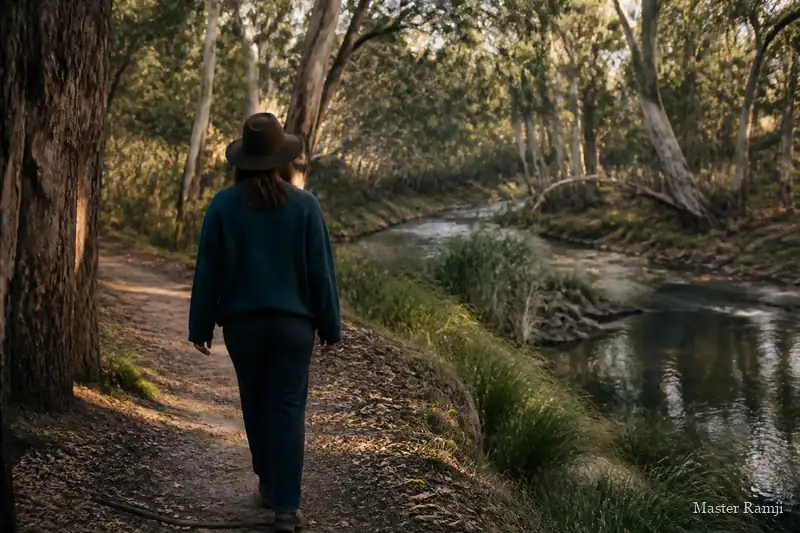
It's hard to plan at the kitchen table with the family around. Mount Waverley Library on Miller Crescent is about 50 metres from the station on the Glen Waverley line, and it lists study rooms among its features, so ask the library how they're booked, and check it's open before you go. Afterwards, the Damper Creek reserve is north of the station if you'd like a walk to clear your head.
The point isn't the location. It's giving this one afternoon of proper attention, then closing the notebook and getting on with your week.
What if you're told a "bad" planet is coming?
Saturn and Rahu periods get the worst reputation, and some people hear those names with real dread. Yet a careful reading doesn't treat any period as simply good or bad. Readers weigh where a planet sits in your chart, what it rules and its strength. Two people in the same period can be read very differently. Our guide to getting through a difficult dasha is there if the period you're in already feels heavy.
Be wary if someone uses a change of period to frighten you. An ethical reader will:
- Explain the reasoning in plain words, including what they're unsure of
- Avoid predicting a death, illness, divorce or bankruptcy
- Give you the fee before any paid work, and let you say no to a remedy without pressure
- Encourage you to see a doctor, lawyer or adviser for those questions
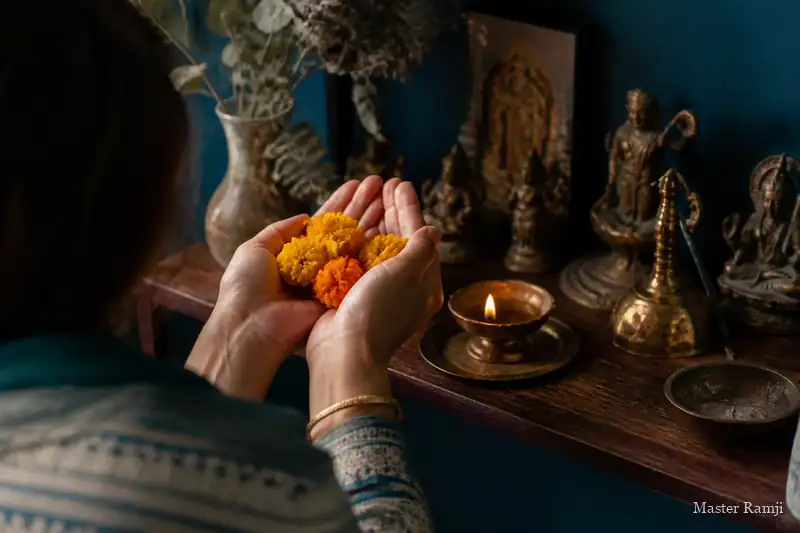
A simple prayer or charity may mean a great deal to you, and that's your choice. It's never something you have to buy to get through a date on a calendar.
What can't a dasha reading tell you?
It can't tell you that you'll lose your job, fall ill or separate. It can't tell you when any of those things will happen, or stop them from happening. It's a way of reflecting on your life that many people value, and it works best next to your own judgement.
If you are already feeling anxious or low, please don't wait for a planetary period to end. See your GP, or call Beyond Blue on 1300 22 4636. These feelings deserve real support, whatever your chart is said to show.
Do you need a dasha reading in Melbourne at all?
Not necessarily. Many people can do all of the above by themselves. A reading may help if you want your own dates set out clearly, or if a warning from someone else is playing on your mind. A dasha analysis puts your periods on a calendar and talks through the themes tradition links to them, with the limits spelled out.
Vijay Ramji is based in Ascot Vale, and sessions can be held by phone, WhatsApp or video. You can read more about our work in Melbourne's eastern suburbs, or get in touch with your question.
Related service
Keep reading
Vedic Astrology From Bendigo: How Remote Sessions Work
Getting a Vedic astrology reading from Bendigo? What to send, how to photograph an old chart or palm, what to keep private, and the limits of a remote session.
Read article →
Planning Your Year With a Varshphal: A Berwick Family Guide
A Berwick family guide to using a varshphal yearly forecast beside school terms and work rosters, with consent, sensible limits and a simple planning method.
Read article →
Picking a Date for a Family Event in Keilor
Planning a naming ceremony, engagement or puja in Keilor? How to pick an auspicious time when hall dates are limited, and what to check before you book.
Read article →More from Melbourne's Eastern Suburbs
Protecting a Foothills Home in Boronia
Boronia home near the bush? Bushfire safety comes from CFA guidance, not ritual. How to keep a lamp and camphor practice safe, and when to skip the flame.
Read article →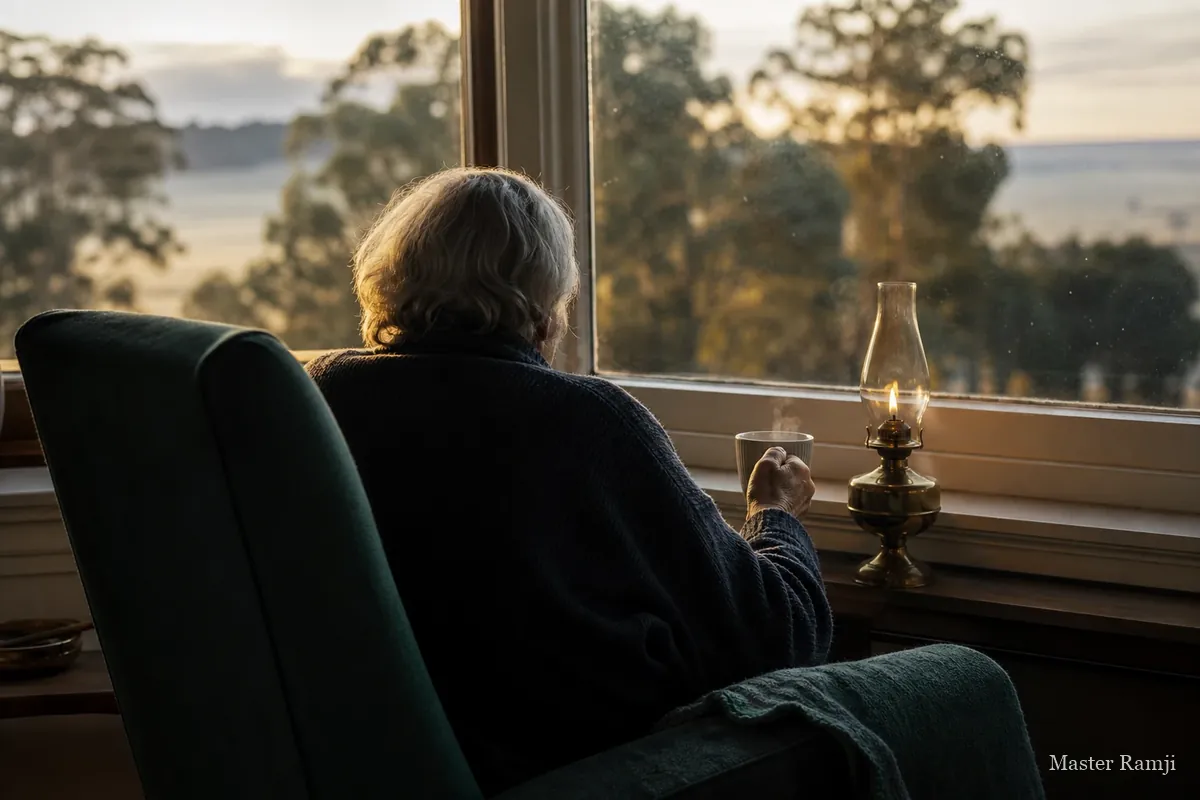
Spiritual Practice in Retirement: Ideas From Croydon
Retired in Croydon and missing the shape of a work day? Simple ideas for a spiritual routine, mantra practice and purpose, with honest limits on what it can do.
Read article →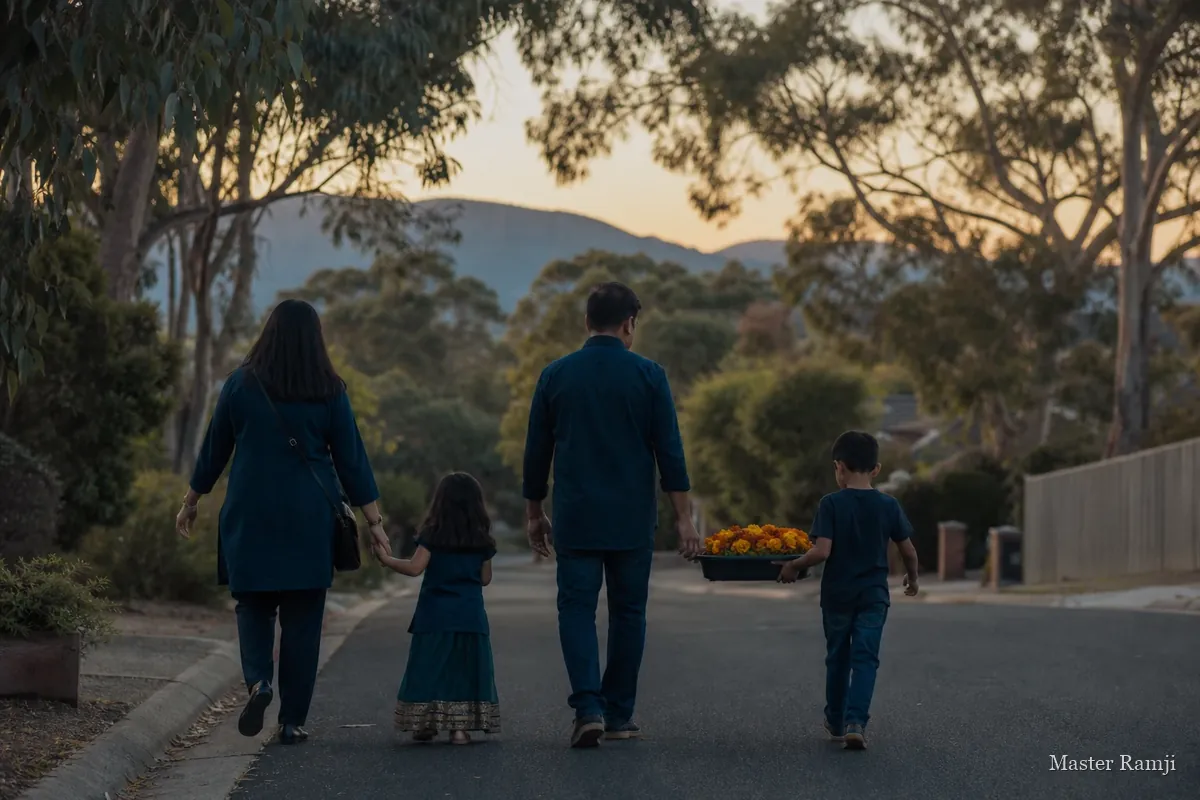
Temples and Prayer Spaces in Melbourne's East
Looking for a Hindu temple in Melbourne's east? Temples at The Basin, Boronia and Huntingdale, what to know about Box Hill, and how to plan your visit.
Read article →Local pages
Quick answers
What is a dasha in astrology?
A dasha is a planetary period in Vedic astrology. See how long each one lasts in the Vimshottari system, and what a dasha can and can't tell you.
Read answer →What is a kundli?
A kundli is a Vedic birth chart that maps the planets at your exact time and place of birth. Here is what it shows, in plain words.
Read answer →Talk to Vijay Ramji
Tell us what you are facing. If a reading is unlikely to help, you will be told that plainly.