
Vastu for a New Build in Tarneit
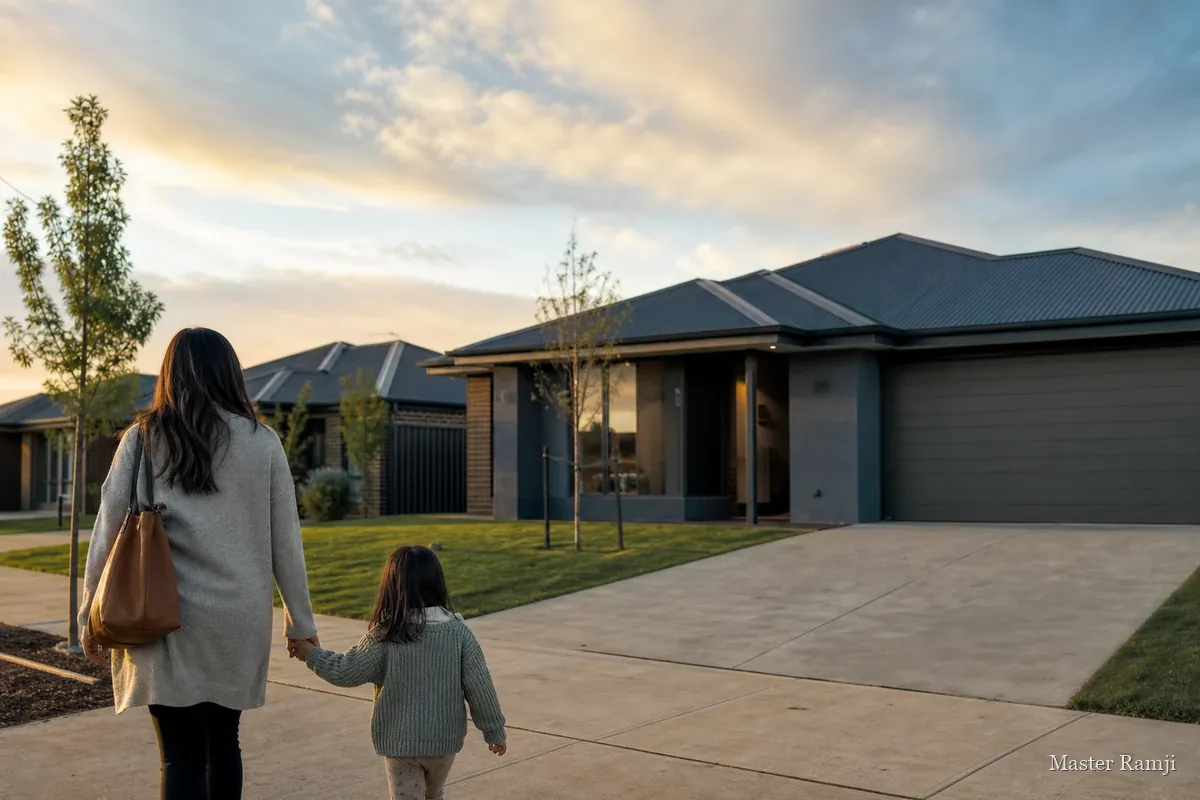
For a new build in Tarneit, raise vastu before you sign the building contract, and well before the slab is poured. Ask about mirroring the plan and the position of the kitchen, toilets and entry. Get every change in writing. Vastu is a tradition, so it shouldn't override building or planning advice.
Tarneit has changed quickly. Victorian Places records just 334 residents in 2001 and 21,690 by 2011, as developers bought up old farms on the Werribee plains. The 2021 census counted more than 56,000 people, and about 27 per cent reported Indian ancestry. So it's common here for a family to want a vastu-friendly home while buying a house and land package from a volume builder's range.
That combination has a catch. A project home starts as a builder's floor plan on a block you can't turn around, and the easy window for change closes earlier than most buyers expect. This guide is about using that window.
Key takeaways
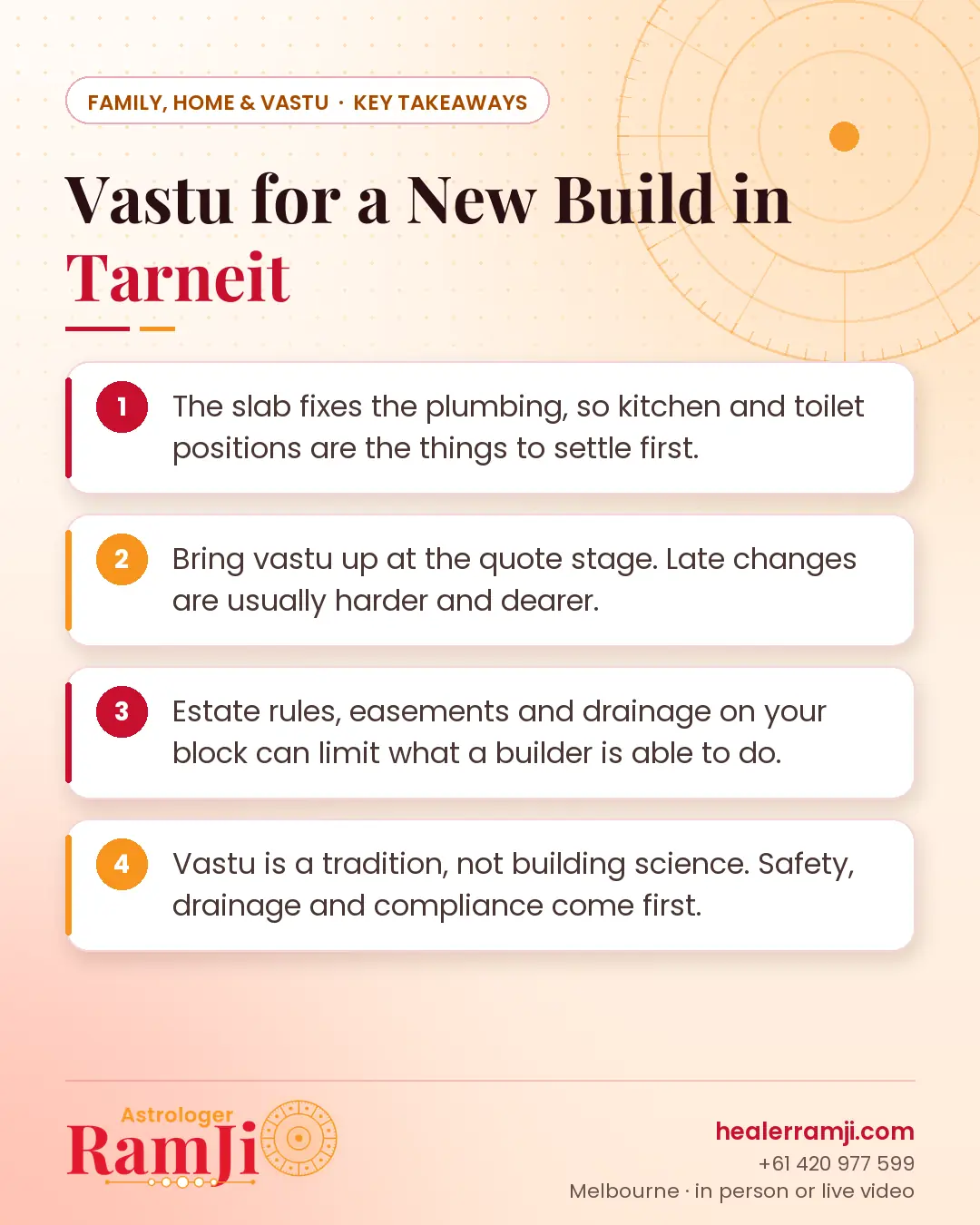
- The slab fixes the plumbing, so kitchen and toilet positions are the things to settle first.
- Bring vastu up at the quote stage. Late changes are usually harder and dearer.
- Estate rules, easements and drainage on your block can limit what a builder is able to do.
- Vastu is a tradition, not building science. Safety, drainage and compliance come first.
Why does the slab matter so much?
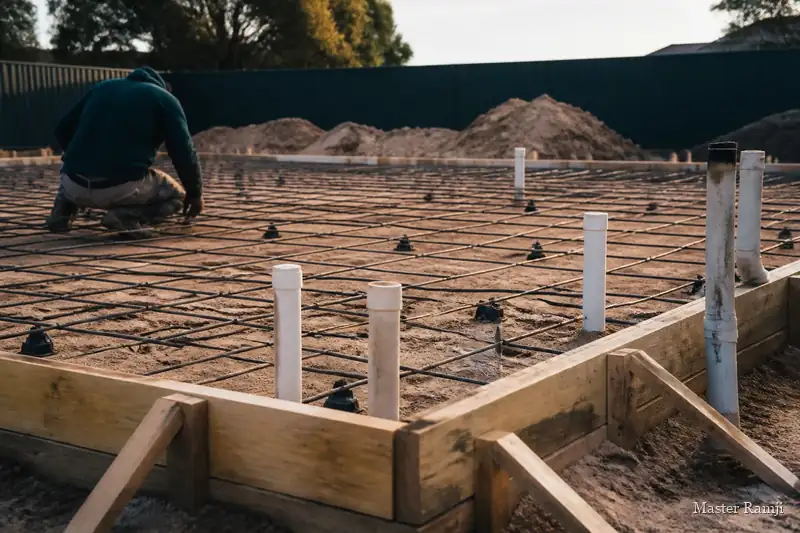
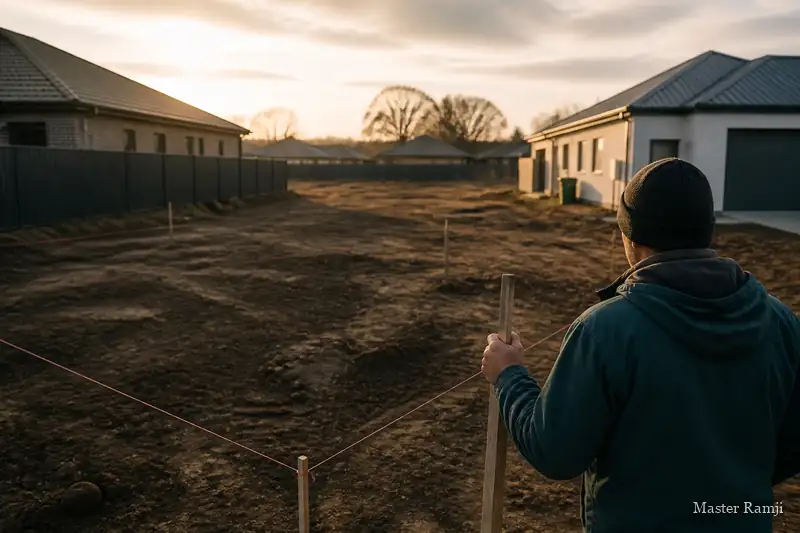
In a typical concrete slab home, drains and many services run under or through the concrete. Once it's poured, moving a toilet, shower or kitchen sink can mean cutting into the slab, if it's possible at all. Walls and windows can still shift during framing in some cases, but that's a variation you may pay for, and a builder can say no.
That is why the order matters. Traditional vastu places a lot of weight on where water and fire sit in a home. Those are the same rooms the concrete locks in. A bedroom can be rearranged in an afternoon. An ensuite can't.
When should you raise vastu with your builder?
Earlier than feels polite. A rough order looks like this:
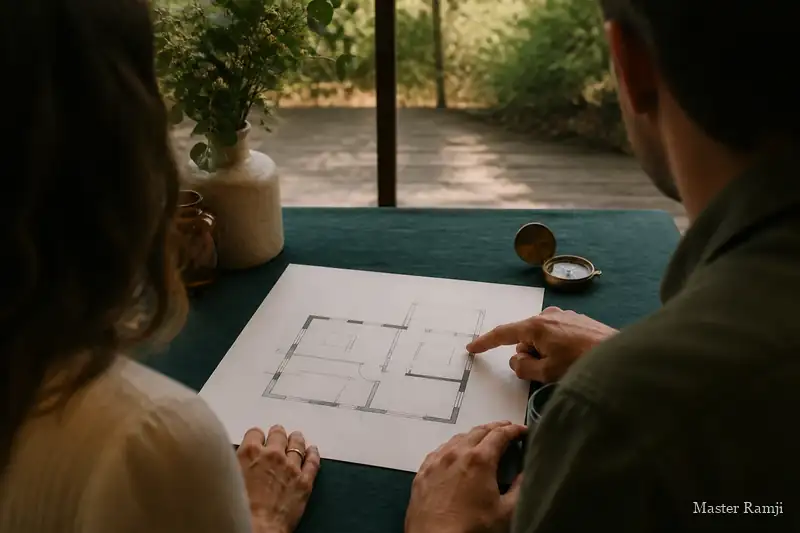
- At the display home or quote. Tell the sales consultant you want to review the plan for vastu before you commit, then ask which changes the builder allows.
- Before you sign the contract. Have the changes you care about drawn on the plans and priced. This is your strongest position.
- Before final plans go for approval. Check the drawings again. It's easy for a detail agreed in a meeting to go missing.
- Before the slab. Treat this as your last practical chance on plumbing. Ask your builder how late they will accept a change, as builders differ.
What should you ask for first?
Most buyers can't get everything, so rank your list. Practitioners differ on details, and they also differ on how directions apply in the southern hemisphere, where the sun sits in the north. Using the common traditional scheme, here's a sensible order of questions:
- Can the plan be mirrored? Many project homes can be flipped left to right, which can swap the corners your kitchen and garage fall in without changing the design. Ask, as not every plan or block allows it.
- Where do the toilets land? The north-east is traditionally kept clean and calm, so many people want to avoid a toilet in that corner.
- Where does the kitchen land? The south-east is the traditional fire corner, with the north-west as a common second choice. An open-plan rear kitchen often won't fit this, so decide how much it matters to you.
- Can the entry be moved? North and east entries are popular, though a south-facing home isn't a bad home by default. Your block's street frontage usually settles this.
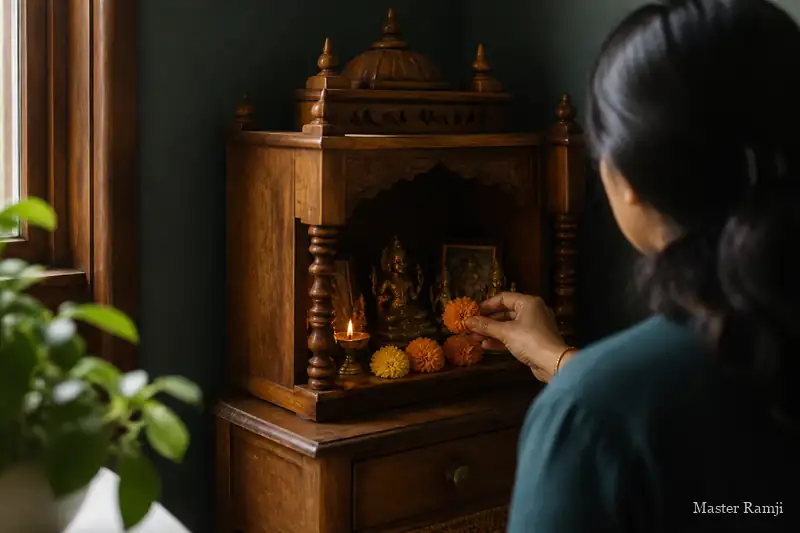
- Is there a spot for a small mandir? A nook off the study, or part of a north-east room, is easier to plan now than to retrofit.
What on a Tarneit block can limit your changes?
Your block sets limits that a builder's sales brochure won't show. Check these before you get attached to a change:
- Estate design guidelines. Many new estates need a developer's panel to approve your siting and facade before a building permit is sought. Mirroring may change your garage side, driveway or facade, so ask if it needs fresh approval.
- Lot size. Narrow lots leave little room to move anything. Growth-area planning controls often refer to the state's Small Lot Housing Code, so some lots may have their own siting rules.
- Easements and drainage. Wyndham City Council's building pages cover legal point of discharge information, building over easements and report and consent. Your drain connection point can shape where wet rooms make sense, so moving a bathroom may cost more than it looks.
- Sun and energy. A flipped plan can change which rooms get northern light, and it could affect your home's energy rating. Ask the builder to check.
Tarneit's land also tends to be flat, as it sits on the basalt plains. The old advice about ground sloping down to the north-east often has little to work with here. Don't pay for earthworks to chase it. Ask your builder or engineer about your site's fall and soil instead, because drainage has to work first.
How do you get changes in writing?
Don't rely on a chat at the sales office. Consumer Affairs Victoria explains that changes to plans in a major domestic building contract must generally be recorded in writing before the work starts, in a variation notice. It should show the details of the change, its cost, the new contract price and the new completion date. Both you and the builder sign it. There's a narrow exception for small changes, but it still recommends putting every change in writing, signed by both of you.
Our suggestion is simple: ask for the change on the plans themselves as well. If you are unsure what your contract means, speak to a building lawyer or Consumer Affairs Victoria. We can't give legal or building advice.
What if your slab is already down?
Plenty of families only hear about vastu after the concrete has set, and it isn't a disaster. Most traditional concerns can be eased with room use and arrangement:
- Choose which bedroom you sleep in and which way the bed faces
- Place a small mandir in the calmest north-east spot you have
- Keep toilet doors closed and the north-east corner tidy
- Hold a griha pravesh around handover, if your family follows that custom
You don't have to rip anything out. Our short answer on whether you need to renovate for vastu explains why.
What can a vastu review do, and what can't it do?
A review can read your floor plan against the tradition, rank what matters to you, and give you clear questions for your builder. Vastu for homes sessions can be held by phone, WhatsApp or video, so you can share plans from wherever you are. Fees are stated before any paid work.
A review can't tell you what will happen in your life, and there's no evidence that room placement changes health, money or luck. It also doesn't replace your builder, surveyor or engineer. If a change conflicts with their advice, follow their advice.
Still choosing land? Read choosing a block in Truganina, next door, or visit our western suburbs page. When your plans are ready, get in touch.
Related service
Keep reading
Vastu Questions for New Homes in Craigieburn
Common Craigieburn estate layouts read through vastu: garage-forward fronts, rear kitchens and upstairs bedrooms, and which changes are worth your money.
Read article →
Choosing a Block in Truganina With Vastu in Mind
Buying land in Truganina? How to weigh vastu on an estate plan you cannot change: road-facing direction, lot shape, easements, covenants and floor plan choices.
Read article →
Vastu in Ascot Vale's Period Homes
Boom-era brick and weatherboard homes in Ascot Vale rarely match a vastu textbook. How to work with a period layout without harming its heritage fabric.
Read article →More from Melbourne's Western Suburbs
Choosing a Block in Truganina With Vastu in Mind
Buying land in Truganina? How to weigh vastu on an estate plan you cannot change: road-facing direction, lot shape, easements, covenants and floor plan choices.
Read article →
Griha Pravesh in Point Cook: Planning Around Settlement
Planning griha pravesh in Point Cook? How to fit the rite between settlement day, keys and the removalists, without letting a muhurat run your contract.
Read article →
Finding Your Spiritual Community in Wyndham
Living in Tarneit, Point Cook or Werribee? How to find a Hindu spiritual community in Wyndham, keep up your practice, and get support when you feel alone.
Read article →Local pages
Astrologer for Footscray
Live in Footscray? Vijay Ramji is based in Ascot Vale, with sessions by phone, WhatsApp or video. Questions that fit apartments, study, shops and mixed families.
View area →
Astrologer for Sunshine
In Sunshine, Victoria? Vijay Ramji is based in Ascot Vale, with sessions by phone, WhatsApp or video. Questions about older homes, changing work and family.
View area →
Astrologer for Werribee
Live in Werribee? Vijay Ramji is based in Ascot Vale, with kundli readings by phone, WhatsApp or video. Questions for long-settled families and new arrivals.
View area →Quick answers
What is vastu shastra?
Vastu shastra is a traditional Hindu system of home and building design based on direction and layout. Here is what it covers and what it can't claim.
Read answer →Can vastu be applied in a rental?
Yes, vastu can be applied in a rental if you stick to reversible changes. Here is what to try first and what Victorian renters should check.
Read answer →Talk to Vijay Ramji
Tell us what you are facing. If a reading is unlikely to help, you will be told that plainly.