
Planning a Griha Pravesh for Your New Clyde Home
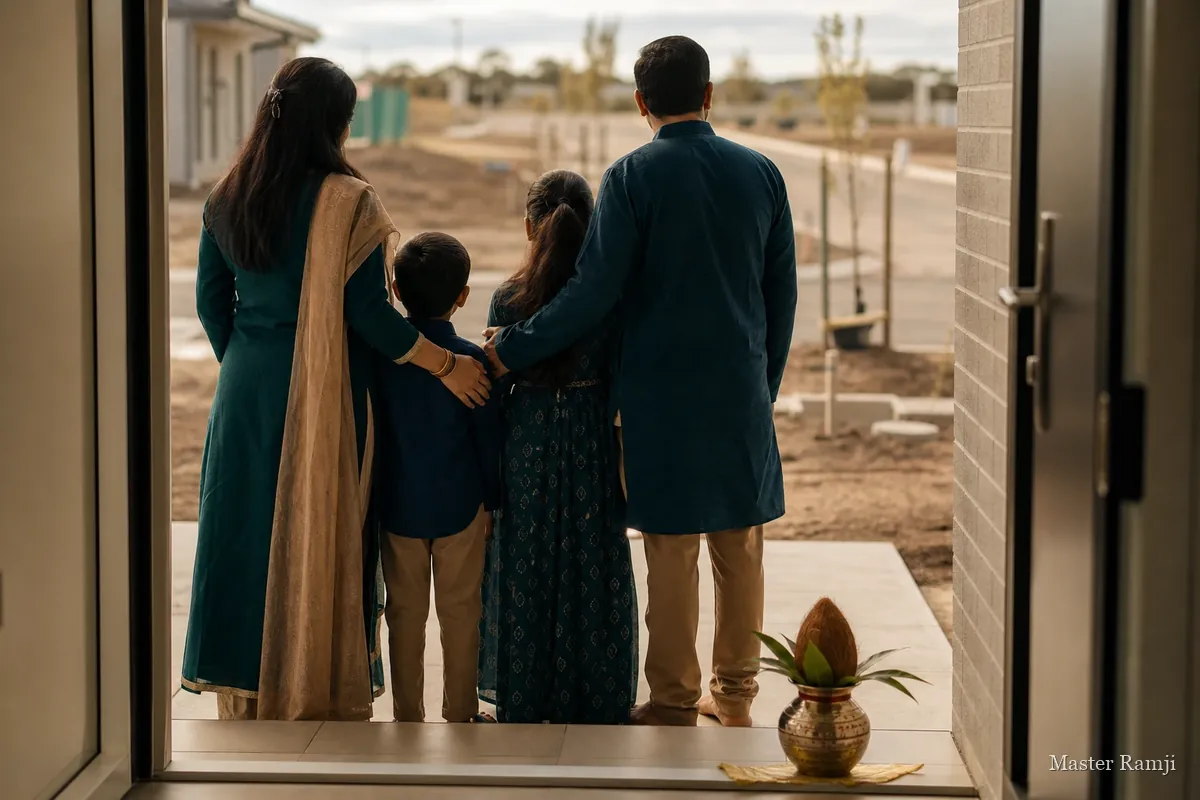
For griha pravesh in Clyde, confirm your handover first, then ask your priest for two or three suitable dates after it. Book early, because many families in a growing area want the same weekends. Give helpers clear jobs on the day, keep the flame small, and remember the rite is a tradition, not a promise.
Clyde has changed fast. Victorian Places describes a small township named after Clyde Creek, with market gardens on sandy soil and a railway station on the line to Tooradin that closed in 1993. It also notes land being rezoned for houses. Planning continues: the Victorian Planning Authority's Clyde South project covers land south of Ballarto Road, and its due diligence report was published in September 2026.
For families moving in, that growth brings a practical problem. Lots of people are getting keys around the same time, and many want a griha pravesh on the same good weekends. This article is about getting the date and the people sorted so the day itself can be calm.
Key takeaways
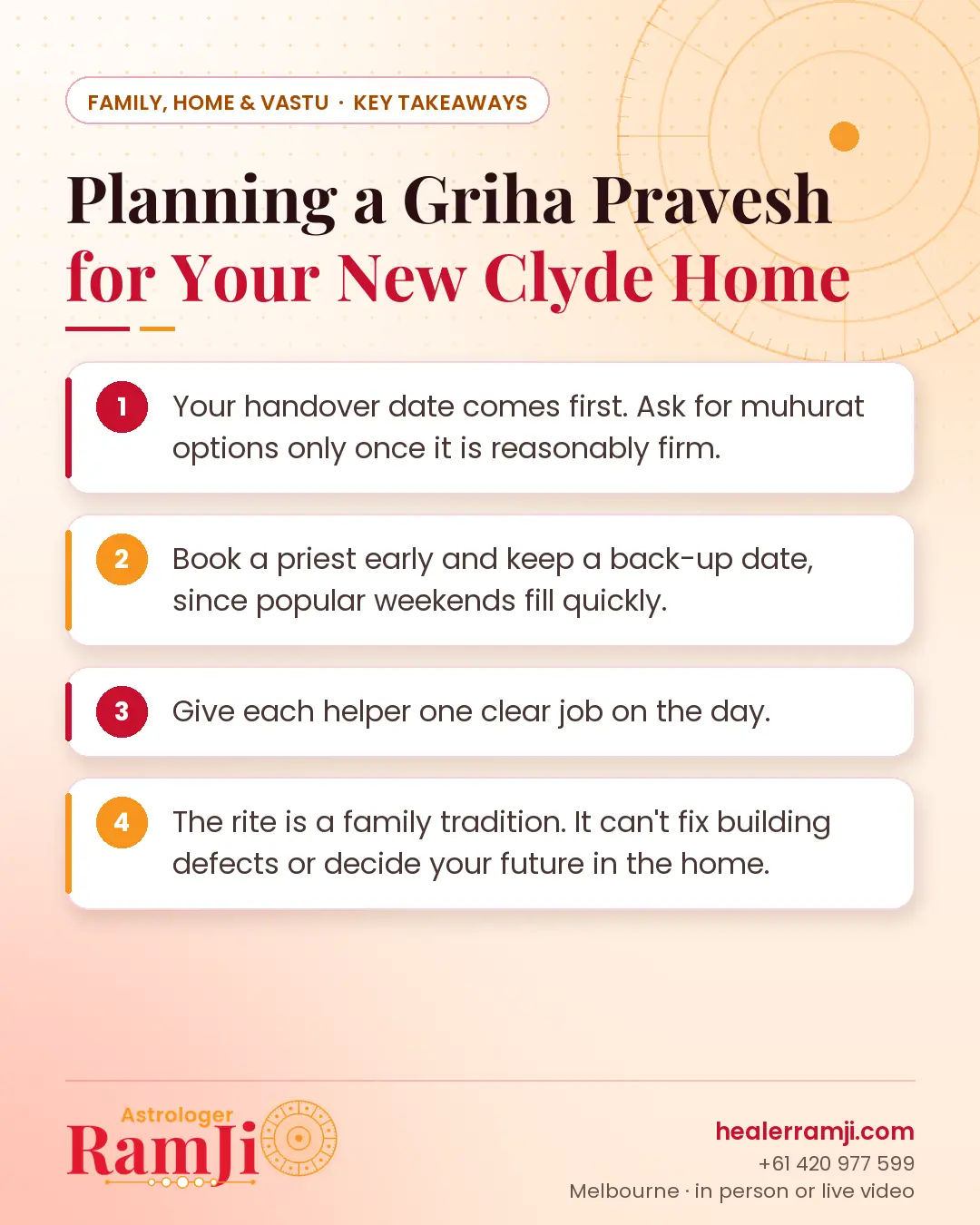
- Your handover date comes first. Ask for muhurat options only once it is reasonably firm.
- Book a priest early and keep a back-up date, since popular weekends fill quickly.
- Give each helper one clear job on the day.
- The rite is a family tradition. It can't fix building defects or decide your future in the home.
Why can timing be harder in a new estate?
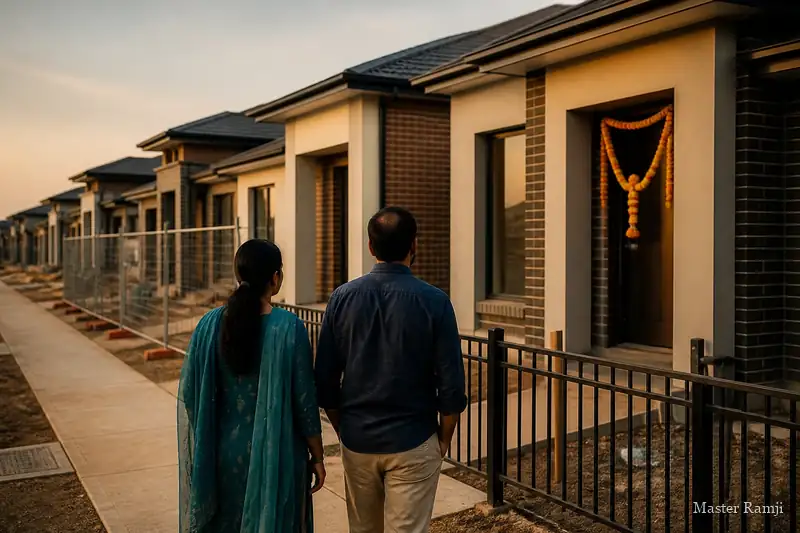
In an established suburb, you usually know your settlement date weeks ahead. With a new build, handover can move because of weather, inspections, final fixes or utility connections. A muhurat booked too early can end up falling before you have legal access to the house.
There is also demand. When a whole stage of an estate is handed over within a few months, several families on one street may be planning their own rite. Priests, caterers and hire companies across the south-east can be stretched on the most popular dates.
Which date should you plan around?
Start with what you can't move: the date the builder hands over the keys and the home can lawfully be lived in. Ask your builder how firm that date is, and what could still change it.
Then ask your priest or astrologer for two or three suitable dates after handover. In mainstream Jyotish, a griha pravesh muhurat usually looks at the lunar day, the nakshatra, the weekday and the rising sign at the time of entry. Many families also avoid certain stretches of the year, such as Chaturmas or the months when the Sun is in Sagittarius or Pisces. Practice varies a lot between regions and families, so follow the tradition your elders know.
If you'd like help weighing those options, griha pravesh timing looks at your dates against your family's charts and your real calendar. For a fuller background on the rite itself, see our step-by-step griha pravesh guide.
How do you find a priest in the south-east?
There is no single booking list. Families usually find a priest through:
- Temples. Several south-east temples take bookings for rites. Ask whether their priests attend homes, how far they travel and how much notice they need.
- Community and language groups. Regional associations often know which priests follow your tradition and speak your language.
- Neighbours who've just done it. On a new street, someone nearby may have held a griha pravesh a month ago.
When you book, ask what is included, what you need to supply, how long the rite takes and what the fee is. Get the fee before the day, and be cautious of anyone who adds expensive extras late or says something bad will happen without them.
Who else do you need on the day?
A housewarming in Clyde often means guests driving in from across Melbourne to streets that may still be half built. Sharing the jobs out ahead of time makes a big difference:
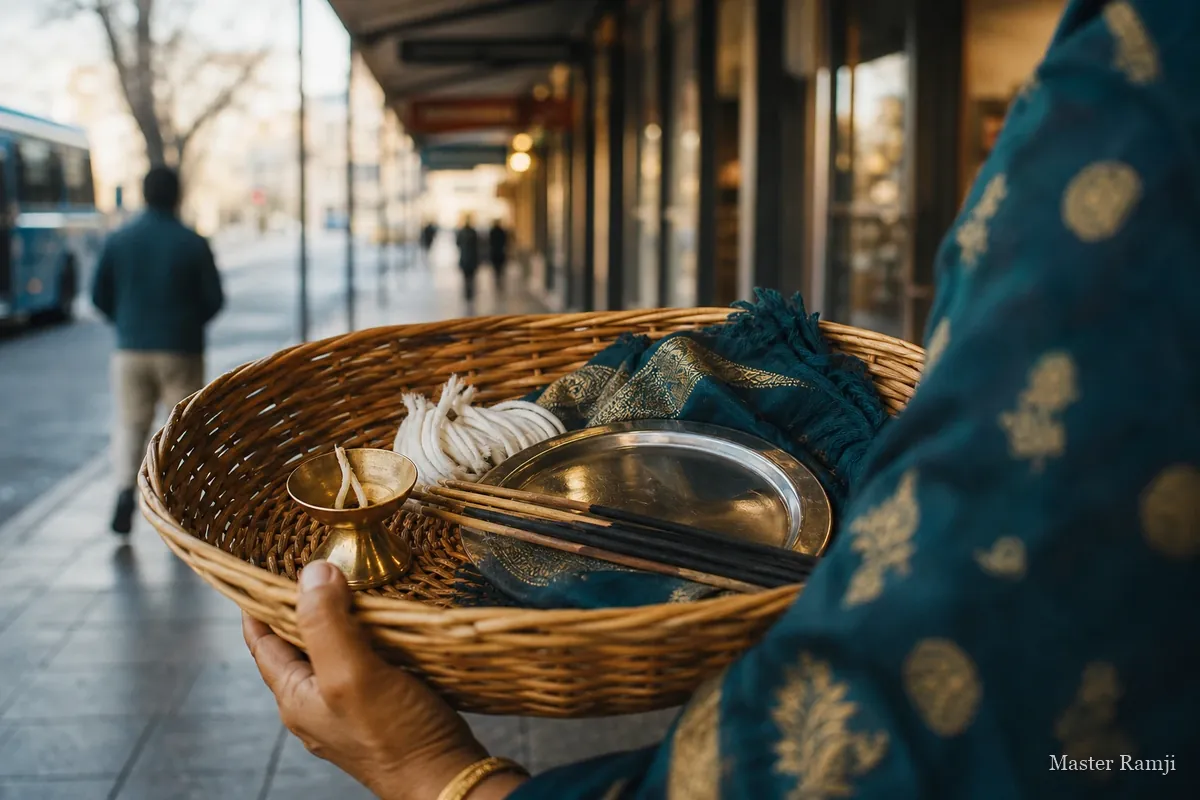
- A puja helper who sets out the items on the priest's list and keeps them in order.
- A kitchen lead who runs the food and keeps track of what needs to stay hot or cold.
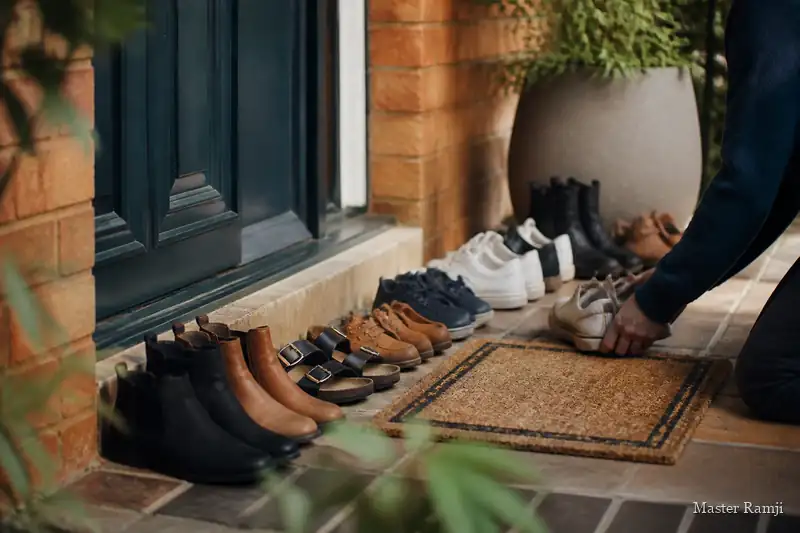
- A door and shoes person who greets guests and points them to parking.
- A flame watcher who stays near the lamp or havan and puts it out at the end.
- A child minder so small children are kept away from the flame and any unfinished yard.
Let your new neighbours know a day or two ahead. On streets where kerbs, footpaths or driveways aren't finished, parked cars can block trades and other residents. A friendly note, and perhaps some sweets afterwards, is a good start to living there.
What does the rite usually involve?
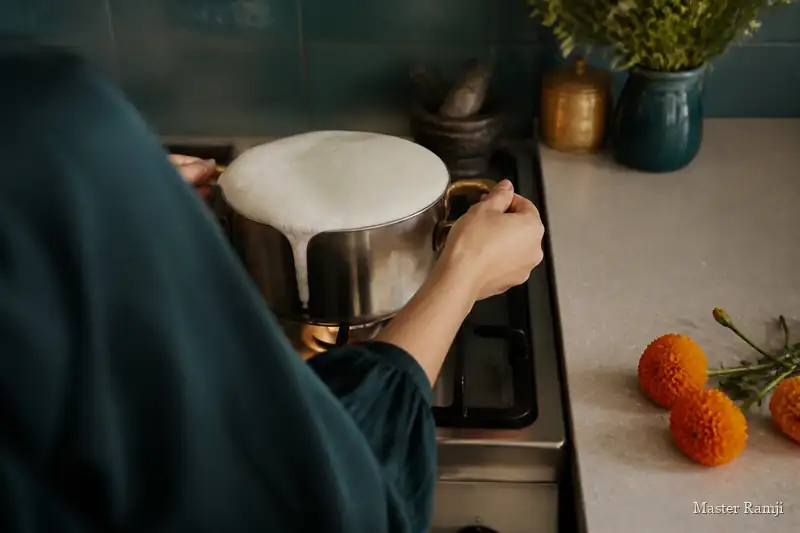
Customs differ, but a new home puja often includes prayers to Ganesha, a kalash at the entrance, the family entering together at the chosen time, and boiling milk in the new kitchen until it rises. Some families add a havan or a Vastu puja. Others keep it to a lamp and a short prayer. All of these are valid choices.
If you have questions about the layout of the house itself, it is wise to live there for a while before changing anything. Our guide to vastu for homes on Cranbourne estates covers similar new builds nearby.
How do you keep the flame safe in a new house?
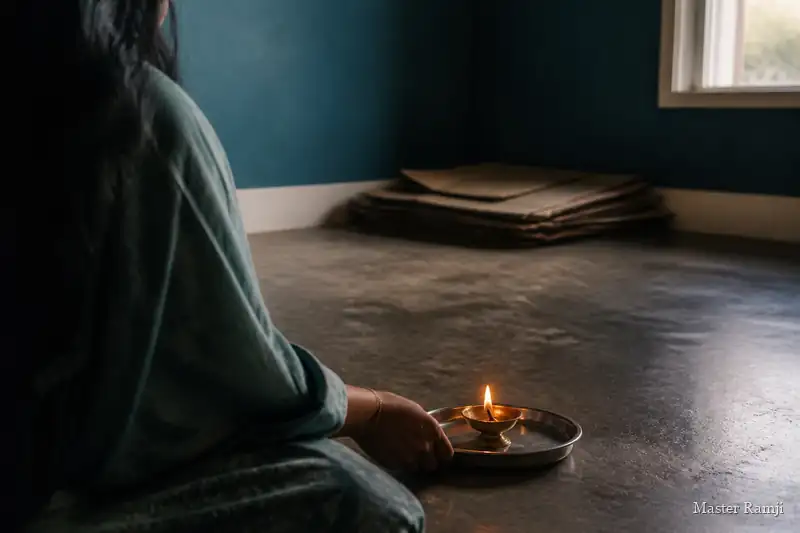
New homes are full of cardboard, plastic wrap and fresh furniture. CFA's candle and incense safety advice applies: never leave a flame unattended, keep it on a steady, non-flammable base, and keep curtains and other flammable things about a metre away. Keep children and pets clear.
Clear packing material out of the puja room before the priest arrives. If you plan a havan, ask the priest to keep it small, and think about where the smoke will go before you start. A lamp and incense are enough for many families.
What can a griha pravesh do, and what can't it?
For many families, the rite marks a real turning point. It brings people together, sets an intention for the home and links a new suburb to older traditions. That's meaningful in its own right.
It can't fix building defects, protect you from a bad contract or decide your family's health or finances. Raise defects with your builder and get advice from the proper authority if needed. A careful guide will tell you this plainly and won't push extra rituals out of fear.
If you'd like help choosing a date, sessions can be held by phone, WhatsApp or video. Read more about our work with families in Melbourne's south-east, or get in touch.
Related service
Keep reading
Vastu for Older Beachside Homes in Altona
Living in an older Altona home near the bay? How to apply vastu to the layout you already have, what to check before any work, and what vastu cannot do.
Read article →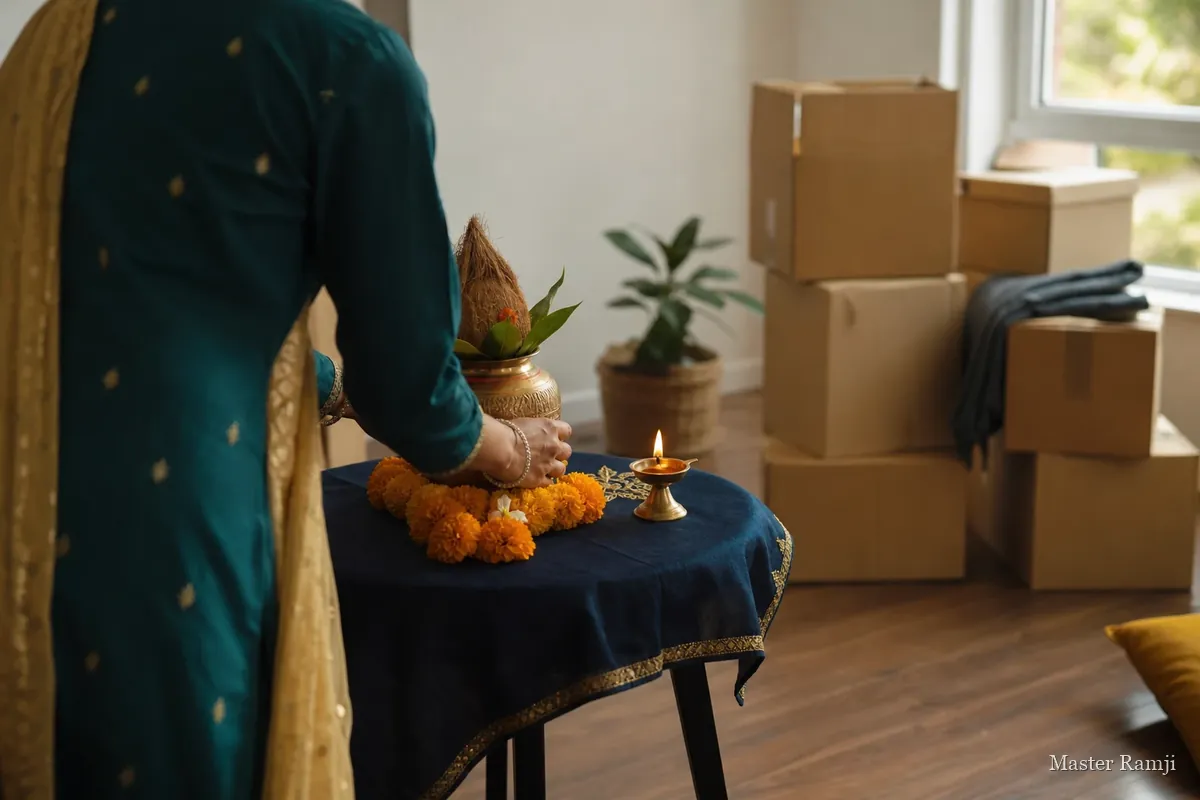
Renting in Maidstone: A Simple Home Blessing
Moved into a rental in Maidstone? A simple home blessing that respects Victorian renting rules, keeps smoke alarms working and leaves no marks behind.
Read article →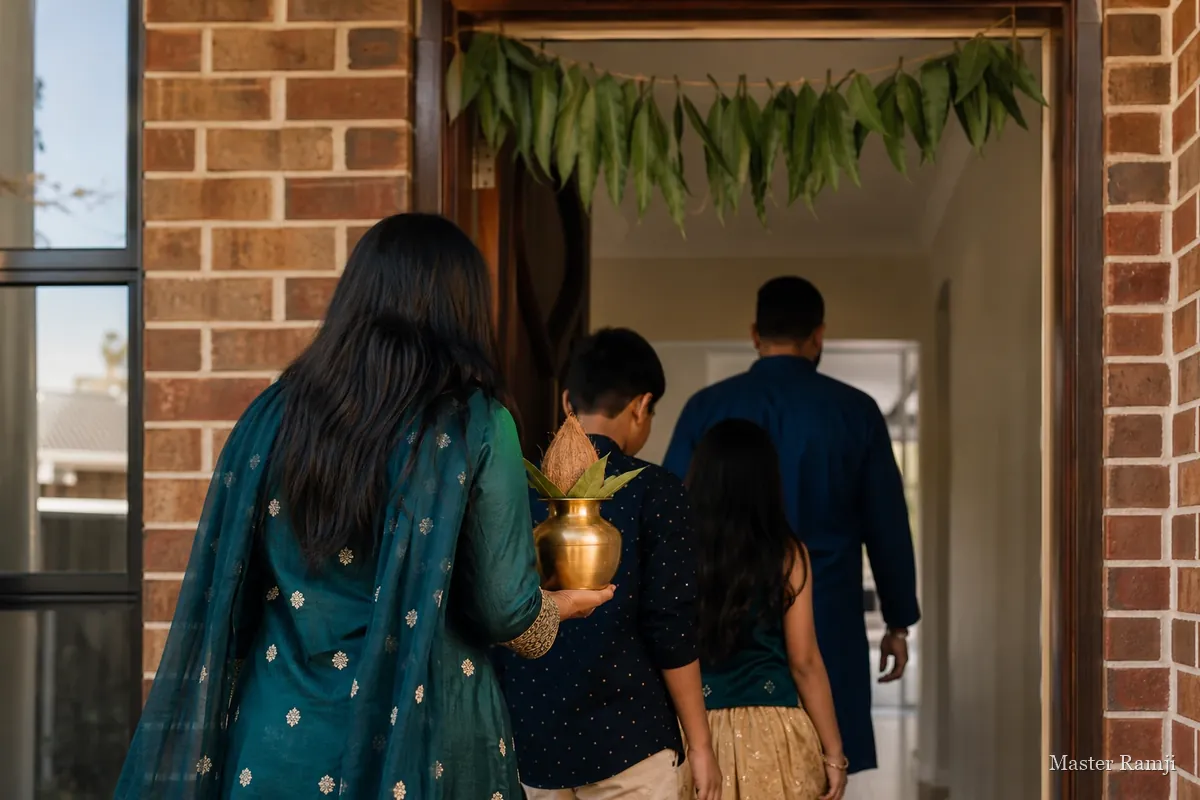
Griha Pravesh in Regional Victoria: Doing It Simply
No priest near your new home in Wodonga? How to hold a simple, respectful griha pravesh yourself, time it for your town, and keep any fire within CFA rules.
Read article →More from Melbourne's South-East
Bad Luck Since Moving to Pakenham? Check These First
Things going wrong since you moved to Pakenham? Check money, health, sleep, commute and home safety first, then consider calm spiritual steps if you wish.
Read article →
Returning to Work From Officer After Parental Leave
Heading back to work after parental leave from Officer? Check your workplace rights, plan the commute and childcare, then see where career timing fits.
Read article →
Cleansing a Warehouse or Unit in Keysborough
Thinking about a spiritual cleansing for a Keysborough warehouse or factory unit? How to keep it discreet, safe and respectful of staff and neighbours.
Read article →Local pages
Astrologer for Dandenong
For Dandenong traders and new arrivals: shop timing, vastu for premises, and how to check any spiritual adviser. Sessions by phone, WhatsApp or video.
View area →
Astrologer for Clayton
For Clayton students and graduates dealing with family pressure, relationships and first jobs. Vedic astrology by phone, WhatsApp or video, from Ascot Vale.
View area →Quick answers
What is griha pravesh?
Griha pravesh is a Hindu housewarming ceremony held when moving into a home. Here is what usually happens and how families fit it around a move in Australia.
Read answer →Is griha pravesh needed for a rented home?
A griha pravesh isn't strictly needed for a rented home, though many families choose a simple version. Here is what a short ceremony can look like.
Read answer →Talk to Vijay Ramji
Tell us what you are facing. If a reading is unlikely to help, you will be told that plainly.