
Sharing a Home With Three Generations
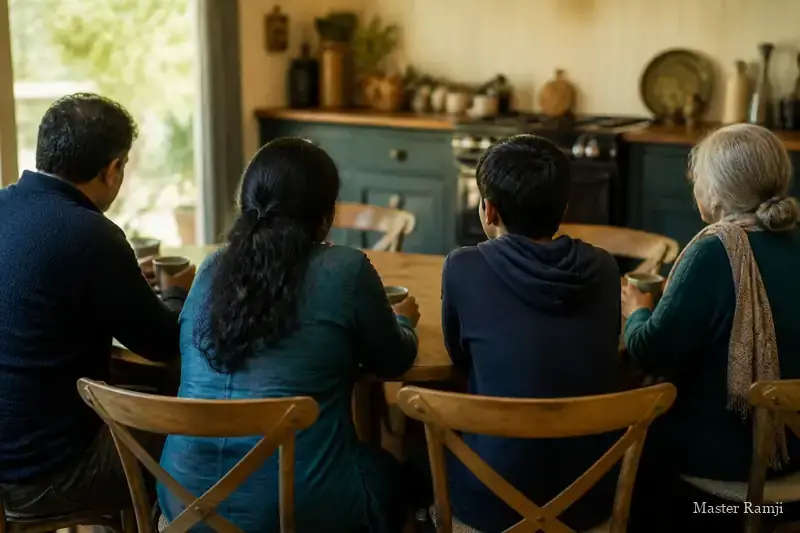
The best multigenerational living tips come down to three things: give each generation some private space, agree routines for shared areas like the kitchen and bathroom, and talk openly about expectations around money, childcare and decisions. Review the arrangement regularly, and put any property or money deals in writing with legal advice.
For many families, living with grandparents, parents and children under one roof is normal. In India it might have been a large joint family home. In Australia it is more likely to be a four-bedroom house in a new estate, with a parent who has moved over for good, or adult children who have stayed on while saving for a deposit.
Sharing a home across three generations can bring real warmth and help. It can also bring friction that builds slowly over months. This article looks at the long-term arrangement, not a short visit, and offers practical ways to keep it working.
Key takeaways
- Every generation needs some space that is clearly their own, even if it is small.
- Unspoken expectations cause more trouble than any single habit. Talk about them early.
- Money and property arrangements between generations should be written down, with legal advice.
- Plan regular check-ins, because needs change as children grow and parents age.
Why does sharing a home get harder over time?
At first, everyone is on their best behaviour. Grandparents are delighted to help. The couple is grateful. Children love the attention. Then the small things accumulate. Who cleans the kitchen. Whose cooking style wins. Whether the television is on during homework. Who gets the car on Saturday.
Behind the small things there are usually bigger questions. Whose house is it? Who has the final say on the children? Is a grandparent a guest, a helper or the head of the household? When those questions are never discussed, every small disagreement carries their weight.
How do you make space for each generation?
Privacy is the foundation. Even in a modest home, try to give each generation somewhere to retreat:
- Grandparents: a bedroom of their own, ideally with a comfortable chair, a small prayer corner if they want one, and their own television or radio.
- The couple: a bedroom that is clearly off limits, and some time each week out of the house together.
- Children and teenagers: a place to study and to be alone, even a desk in a corner with headphones.
Shared rooms work better with simple agreements. Who uses the kitchen at which times? Is the lounge quiet after a certain hour? Where do shoes, bags and prayer items go? Writing a few of these down can feel formal, but it removes a lot of guesswork.
If your home is genuinely too small for this, our article on sharing a small home has ideas for finding room when space is tight.
How do you agree on routines?
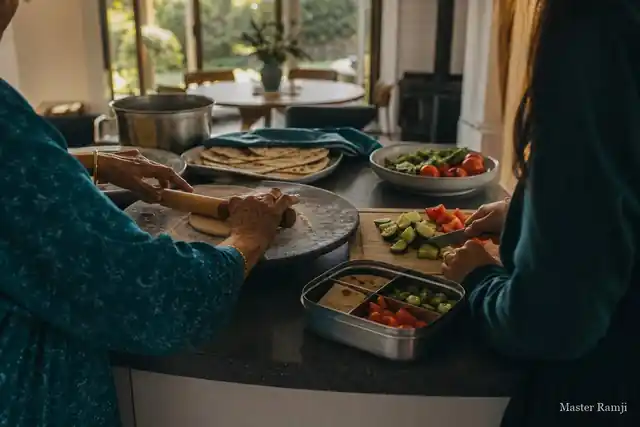
Different generations often run on different clocks. Grandparents may rise early for prayers and walk. Parents may work shifts or long commutes. Teenagers may be up late. A few practical tips:
- Map the weekly schedule together, including work, school, temple and activities.
- Agree on bathroom times for busy mornings.
- Decide who cooks which meals, and whether everyone eats together every night or only on some nights.
- Keep a shared calendar on the fridge or on a phone that everyone can see.
- Plan for festivals and guests well ahead, since these are when tensions often peak.
Who decides about the children?
This is often the most sensitive issue. Grandparents may have raised children in a very different setting and feel strongly about food, discipline, screen time or study. Parents may be following advice from school or their own reading.
It helps to agree that parents make the final call on the big things, while grandparents have freedom on the small things when they are in charge. Say thank you often. Childcare from a grandparent is real work, and feeling taken for granted wears anyone down.
Disagreements are best raised privately between adults, not in front of the children.

How should money be handled?
Money is often avoided out of politeness, and that avoidance can cause lasting damage. Topics worth discussing openly include:
- Who pays for groceries, utilities, rent or the mortgage
- Whether grandparents contribute, and how
- What happens to any money or property an older relative has put into the home
That last point needs particular care. Seniors Rights Victoria describes arrangements where an older person gives money or property in exchange for future care and housing. It says these can leave older people without enough resources if the arrangement breaks down, and that they are difficult to untangle. If a parent is putting money into a home or a granny flat, everyone involved should get independent legal and financial advice and write down what has been agreed.
How do you keep the couple's relationship strong?
Living with parents or in-laws can put real pressure on a marriage. One partner may feel caught between their spouse and their parents. The other may feel like a guest in their own home.
Agree as a couple before raising issues with the wider family, and let each partner speak to their own parents about difficult topics. Our guide on living with in-law tension goes into this in more detail. If parents are staying for an extended visit rather than permanently, when your parents visit from India for months covers that situation.
What if it stops working?
Regular check-ins help. Every few months, ask each other what is going well and what is not. Needs change as children start school, grandparents' health shifts or work changes.
If the same arguments keep returning, a family counsellor can help. Relationships Australia Victoria offers counselling for families. Sometimes the healthiest outcome is a different arrangement, such as living nearby rather than under one roof. That is not a failure of duty.
If anyone in the home is being controlled, threatened, denied money or harmed, that is no longer a harmony problem. Call 1800RESPECT on 1800 737 732, or 000 in an emergency.
Can astrology help?
Some families find it useful to look at a household's dynamics through a chart. It can offer a little distance from a heated argument and a new way to talk about roles and timing. Family harmony guidance uses your own chart to reflect on tension between generations and what you can do differently. It cannot change another person or decide who is right, and other people's charts are only used with their agreement. Any fee is stated before paid work begins, what you share is confidential, and sessions can be held by phone, WhatsApp or video. If it would help, get in touch.
Related service

Keep reading
When Your Parents Visit From India for Months
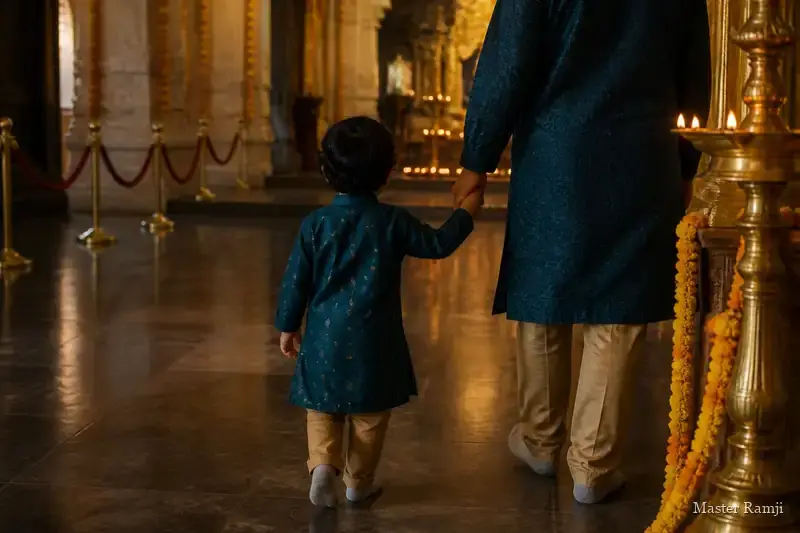
Tips for when parents visit from India for months: preparing the house, sharing routines and roles, keeping them from getting lonely, and handling the goodbye.
Read article →
Sibling Disputes Over Family Property
A sibling property dispute can split a family for years. How to protect the relationship while each of you gets proper legal advice and tries mediation.
Read article →
Raising Teenagers Between Two Cultures
Raising Indian teenagers in Australia means balancing family values with a teen's growing identity. How to set expectations, listen and stay connected.
Read article →Quick answers
What is vastu shastra?
Vastu shastra is a traditional Hindu system of home and building design based on direction and layout. Here is what it covers and what it can't claim.
Read answer →Can vastu be applied in a rental?
Yes, vastu can be applied in a rental if you stick to reversible changes. Here is what to try first and what Victorian renters should check.
Read answer →Talk to Vijay Ramji
Tell us what you are facing. If a reading is unlikely to help, you will be told that plainly.