
Sibling Disputes Over Family Property

In a sibling property dispute, get legal advice early, as each sibling may need their own lawyer and some time limits are short. Keep talking through a neutral person where you can, and consider mediation. Separate grief from decisions, and avoid using relatives or religion to apply pressure. A chart can't decide who is right.
Few arguments cut as deep as one between brothers and sisters over a parent's home. The house holds childhood memories, the money may matter a great deal, and old roles come back fast. The eldest feels responsible, the one who did the caring feels overlooked, and the one overseas feels shut out.
This article doesn't give legal advice, and nothing here should be read as advice about your situation. It is about the other half of the problem: how to keep the relationship from breaking while the legal questions are sorted out by the right people.
Key takeaways
- Property and inheritance questions need a lawyer, and some time limits are short. Get advice early.
- Each sibling may need separate legal advice. One family lawyer for everyone can create problems later.
- Mediation with a neutral person can help you reach agreement without a court case, and it can keep you talking.
- Grief, old resentments and money often arrive together. Naming which is which can lower the temperature.
Why do property disputes between siblings get so heated?
Usually because the property stands for more than money. A dispute over family property between siblings can carry questions like these:
- Who looked after Mum and Dad, and was it noticed?
- Was one child always favoured?
- Does tradition say the son or the eldest inherits, while Australian law and the will say something else?
- Did someone live in the house rent-free, or pay off part of the mortgage?
- Is there property in India or elsewhere that relatives there have opinions about?
Most of these are about fairness and recognition, not only dollars. A legal outcome can settle who owns what. It rarely settles whether someone felt valued. That part is up to the family.
What should you do first?
A few steps tend to help, whatever the details:
- Pause before big moves. Don't change locks, clear out belongings or sell items until everyone knows where things stand legally.
- Gather documents. The will, title records, loan papers and any written agreements. Share copies so nobody feels kept in the dark.
- Get legal advice early. Victoria Legal Aid's page on challenging a will notes that some claims must be made within six months of probate or letters of administration. Don't let a family stand-off run down that clock.
- Consider separate lawyers. Your interests may differ from your siblings', even if you all get on. A lawyer can tell you whether that applies.
Where can you get legal help?
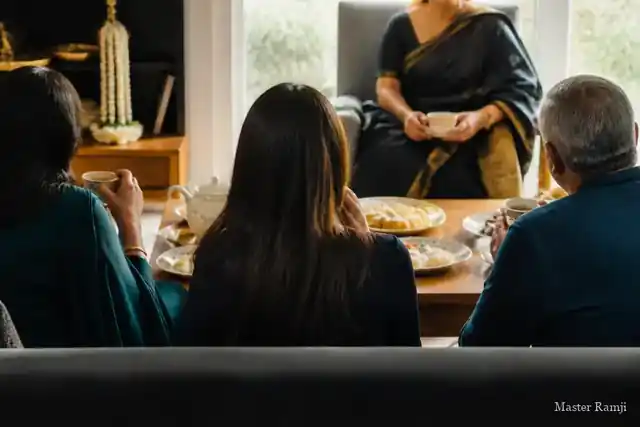
Victoria Legal Aid says it doesn't give legal advice about making or challenging wills, but its page on support for wills and estates points to other places. These include community legal centres, which can give free legal information and advice, and the Law Institute of Victoria's referral service for finding a private lawyer. If property is overseas, you will also need advice from a lawyer qualified in that country, as the rules may be quite different.
If a parent is still alive and family members are pressing them to sign over a house or add someone to the title, Seniors Rights Victoria offers information and advice for older people. A parent should be free to decide, with their own independent advice.
Can mediation help?
Often. Mediation brings in a neutral person who helps each side say what they need and look for options. The mediator doesn't decide who is right. Many families find it easier to reach an agreement this way than through letters between lawyers, and it may cost less than going to court.
The Dispute Settlement Centre of Victoria offers free mediation. It assesses whether its service suits a particular dispute and refers people elsewhere if not. It also says it is currently prioritising tenancy matters referred by VCAT, so ask whether it can take a family property dispute. Your lawyer can also suggest a private mediator with experience in estate or property matters. Mediation works best when each person has had legal advice first, so they know what they are agreeing to.
How do you keep talking without making it worse?
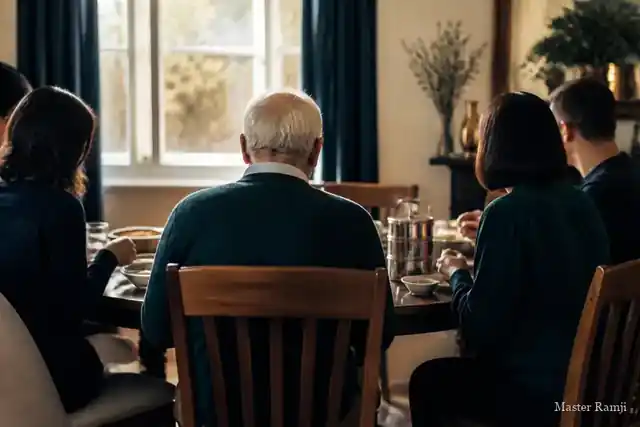
Some ground rules can stop every call becoming a fight:
- Separate the topics. Agree to talk about the property at set times. Family dinners and festivals stay off limits.
- Put key points in writing. A short, calm email after a call avoids "I never said that" later.
- Speak for yourself. "I feel my caring years weren't counted" lands better than "You never helped."
- Keep the wider family out of it. Aunts, uncles and in-laws taking sides usually hardens positions.
- Use a go-between if needed. A trusted elder, community leader or counsellor can carry messages when direct talk breaks down. Choose someone both sides respect.
Our article on working with family without falling out has more on raising hard topics calmly.
What about grief?
Many property disputes start soon after a parent dies, when everyone is exhausted and raw. Small things, such as who kept the jewellery or who chose the funeral arrangements, can feel enormous. If you can, give the family some time to grieve before decisions that don't have a deadline. Where a decision does have a deadline, let the lawyers handle the timetable so that the family can handle the grief.
When should you step back from a sibling?
If a brother or sister threatens you, damages property, harasses you or tries to control a parent's money, this has gone beyond a disagreement. You can contact the police, and 1800RESPECT on 1800 737 732 supports people affected by domestic and family violence. Protecting yourself is not betraying the family.
Can religion or astrology settle it?
No. A chart can't decide a legal matter or show who deserves the house, and nobody should use one to prove a sibling is in the wrong. Be wary of anyone who suggests a ritual to make a sibling give way, or who says a property is cursed unless you pay for a remedy. Pressure dressed up as religion is still pressure.
Faith can still have a place. Prayer, a visit to the temple or a conversation with a trusted priest may help you steady yourself and remember what matters beyond the property. Some families find it helps to remember their parents together, even while the legal side is unresolved. Our guide on sharing a home with three generations also touches on how families handle money and expectations under one roof.
Where does family harmony guidance fit?
Family harmony guidance can offer a calm space to think about your own part, your hopes for the relationship and the timing of difficult conversations. It isn't legal advice or mediation, and it should come after you've spoken to a lawyer, not before. What you share is confidential, and sessions can be held by phone, WhatsApp or video. If that would help, please get in touch.
Related service

Keep reading

Raising Teenagers Between Two Cultures
Raising Indian teenagers in Australia means balancing family values with a teen's growing identity. How to set expectations, listen and stay connected.
Read article →
Reading a Child's Chart Without Labelling Them
A parents' guide to a child's horoscope reading: why children should never hear bad predictions, which labels do harm, and what to say if they already have.
Read article →
School Pressure and What Parents Can Do
Academic pressure from Indian parents in Australia often comes from love and sacrifice. How to ease it at each stage of school while still backing your child.
Read article →Quick answers
What is vastu shastra?
Vastu shastra is a traditional Hindu system of home and building design based on direction and layout. Here is what it covers and what it can't claim.
Read answer →Can vastu be applied in a rental?
Yes, vastu can be applied in a rental if you stick to reversible changes. Here is what to try first and what Victorian renters should check.
Read answer →Talk to Vijay Ramji
Tell us what you are facing. If a reading is unlikely to help, you will be told that plainly.