
Goldfields Homes and Vastu in Bendigo
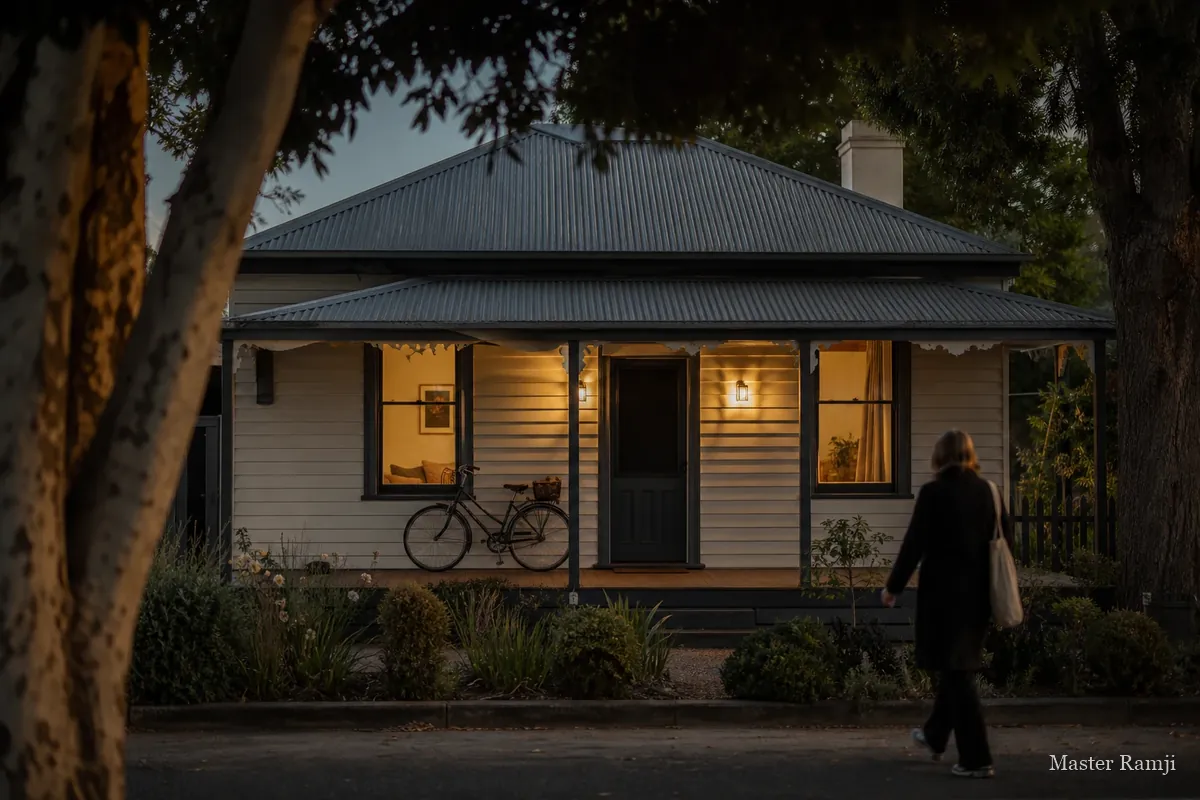
Vastu in Bendigo's goldfields homes should begin with what you can undo: furniture, light and how rooms are used. Many older cottages are small and may sit under a Heritage Overlay, so check before altering them. Vastu is a tradition, not proven science, and it's never a good reason to harm a heritage house.
Gold was officially found at Bendigo in 1851, and the town grew up in a hurry. Early homes ranged from calico tents to more permanent houses for miners' families. Reef mining ran beneath the town, and poppet heads and mullock heaps marked the landscape for decades. Those same streets, in places such as Long Gully, Golden Square and Ironbark, still hold small timber cottages from that era.
So vastu for a Bendigo home usually starts with a house that was built for a mining family, on ground that may have been worked. That shapes what you can change, and what you should simply accept.
Key takeaways
- Check for a Heritage Overlay before any external work, and ask the City of Greater Bendigo what it means for your address.
- In a tiny cottage, use room swaps, light and clutter before you think about building.
- Old mining history is a practical matter for your conveyancer or an engineer. A reading can't assess it.
- Vastu is a belief system. A cottage that breaks its rules is no cause for fear.
What makes a goldfields house different?
Bendigo has a particular housing story. The Bendigo Advertiser reported in 2023 that a City study assessed 229 properties and found 156 of local heritage significance. It sorted them into four types: early miners' cottage, quartz gold boom miners' house, workers' and mine speculators' house, and quartz reefers' house. Check whether that proposal now affects your street, as the article describes it at an early stage.
Many of these homes are modest. A typical one might be weatherboard with a hipped or gabled iron roof, a front verandah, and a central door with a room on each side. Kitchens and bathrooms may be in later additions at the back. Not every house fits that picture, and homes from the later boom years can be much grander, but it is a common pattern.
How does vastu read a cottage like this?
Common vastu teaching links the north-east with water and prayer, the south-east with fire and cooking, and the south-west with weight and rest. It also values an open centre, the brahmasthan. Teachers vary in the details, and they also disagree on whether the directions change in the southern hemisphere.
A four-room cottage can't honour all of that. Common sticking points are:
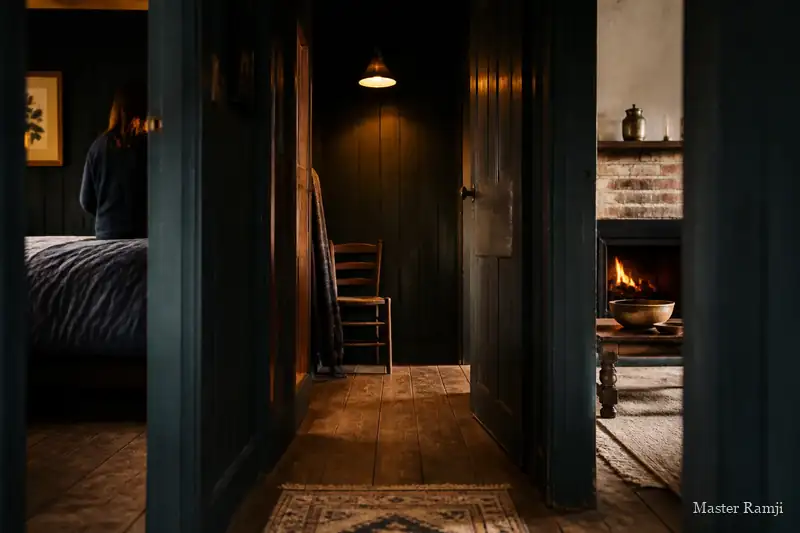
- No real centre. The middle may be a narrow passage or a wall with a chimney.
- Few room choices. With two front rooms, your "south-west bedroom" may not exist.
- A rear lean-to. The kitchen and bathroom sit where the builder could add them, not where a text would place them.
- A door fixed by the street. The entry faces the road, whichever direction that happens to be.
None of this makes the house faulty. Nobody on the diggings was drawing a vastu plan, and many families have lived well in these rooms since.
What can you do without touching the structure?
In a small house, a few changes go a long way, and all of them can be reversed:
- Choose the bedroom by the bed, not the room name. Many traditions prefer sleeping with the head to the south or east. In a narrow room, comfort and access come first.
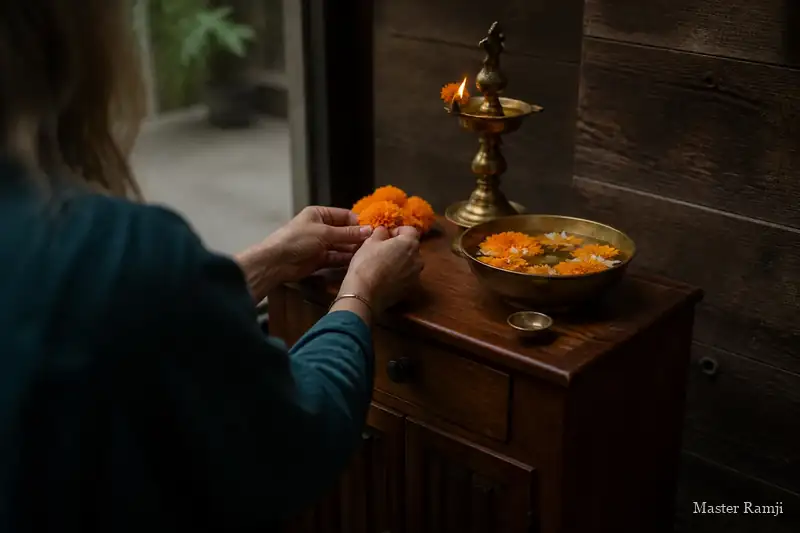
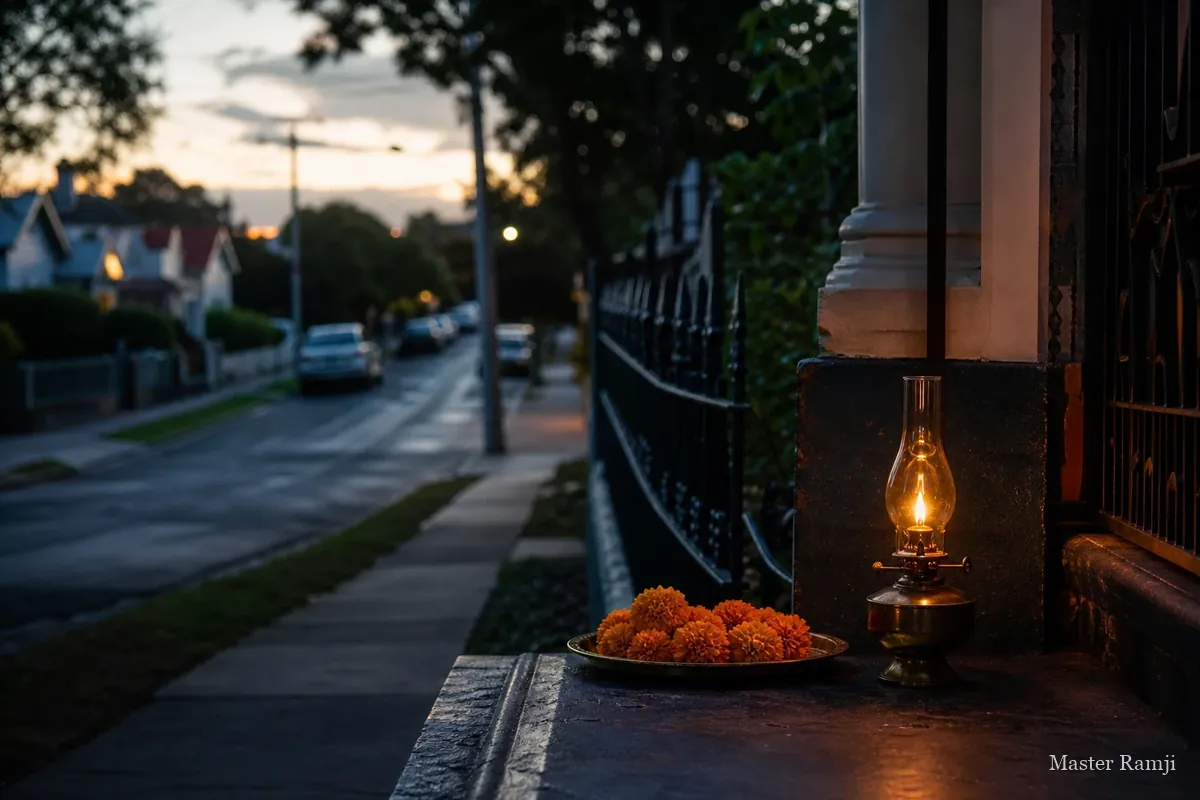
- Use a freestanding shelf for prayer. A small cabinet near the north-east, where you have one, avoids fixing anything to original linings. Keep flames well clear of timber walls and curtains.
- Clear the passage. It is the nearest thing you have to a brahmasthan. Keep it free of boxes, and add a lamp.
- Lighten up the back. Later lean-tos can be dim. Good lighting, a tidy bench and ventilation help whichever way the kitchen faces.
- Put heavy furniture where it suits. Tall wardrobes are often placed in the south-west of a room. Check first that an old floor can take the weight.
Our guide to vastu fixes that work in a rental has more ideas of this kind, since tenants face the same limits.
What are the limits of change under heritage rules?
This is general information only. Start by looking up your address on VicPlan, which shows a property's planning controls, including any Heritage Overlay. Then ask the City of Greater Bendigo's planners what applies to you. The City has published residential heritage design guidelines and a permit exemptions plan, so ask for the current versions.
Under Victoria's planning rules, a Heritage Overlay usually affects demolition, external changes and new building work. Inside the house, a planning permit is generally needed only if the overlay's schedule lists internal controls for that place, though structural work may still need a building permit. Places on the Victorian Heritage Register go through Heritage Victoria instead.
In practice, treat these as fixed until someone qualified says otherwise: the verandah, front door, windows, roof form, chimneys and street-facing weatherboards. No vastu reading should be your reason to change them.
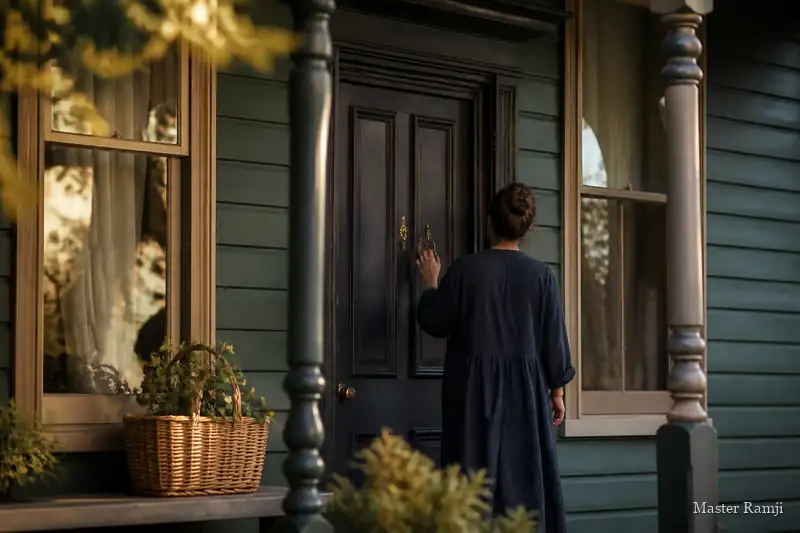
Should old mine workings worry you?
Vastu texts talk about judging a site's soil before you build. In Bendigo, the modern version of that question has nothing to do with vastu. The Victorian Government's Historical Mining Activity dataset records shaft locations collected from 1869 in some areas, mainly concentrated in Ballarat and Bendigo.
That doesn't mean your home has a problem. A record on a map is a reason to ask, not a reason to panic, and a gap on a map isn't a clean bill of health either. If you are buying or building, ask your conveyancer about mining-related checks, and speak to a structural or geotechnical engineer about the ground. If you notice cracking or sinking, get a qualified inspection. No reading can see underground, and nobody should sell you a ritual for it.
Should you extend because of vastu?
Usually not. There is no good evidence that vastu changes health, money or relationships, while extensions are expensive and can harm a heritage home. For the longer answer, see whether you need to renovate for vastu.
It's different if your family already needs more room. If you are planning an addition at the rear anyway, you might raise vastu preferences with your designer, along with heritage limits, budget and winter sun. They are preferences, not requirements.
Is there a vastu consultant for Bendigo?
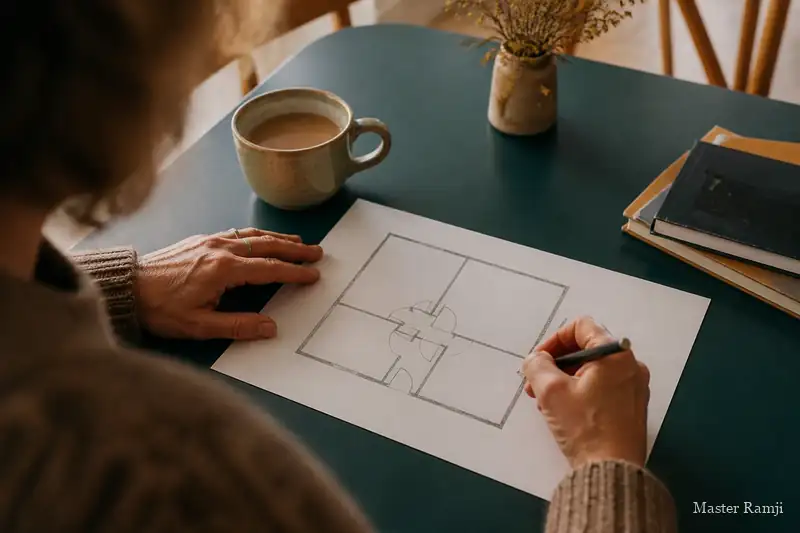
You don't need someone at your door for a first conversation. A hand-drawn plan is usually enough to begin. Include room sizes, doors, windows, a north arrow and any later additions, and say whether a Heritage Overlay applies.
A vastu review for your home can work from that sketch, and the focus can stay on low-cost changes. Vijay Ramji is based in Ascot Vale, appointments are arranged in advance, and sessions can be held by phone, WhatsApp or video. If you're inspecting older houses, use our vastu checklist for open inspections only after your building and pest reports. You can read more about our work across regional Victoria, or get in touch.
Related service
Keep reading
Planning a Griha Pravesh for Your New Clyde Home
Moving into a new Clyde home? How to set a griha pravesh date when handover keeps shifting, book a priest early, and share the work out on the day.
Read article →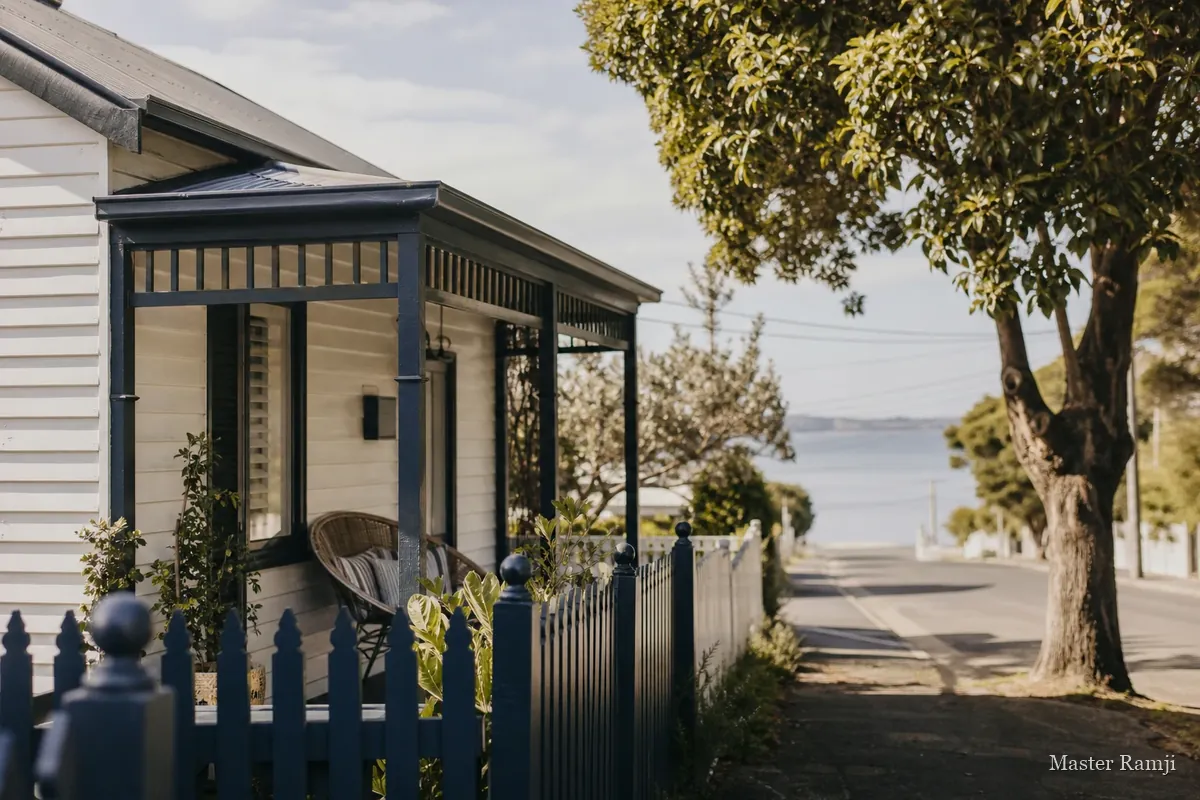
Vastu for Older Beachside Homes in Altona
Living in an older Altona home near the bay? How to apply vastu to the layout you already have, what to check before any work, and what vastu cannot do.
Read article →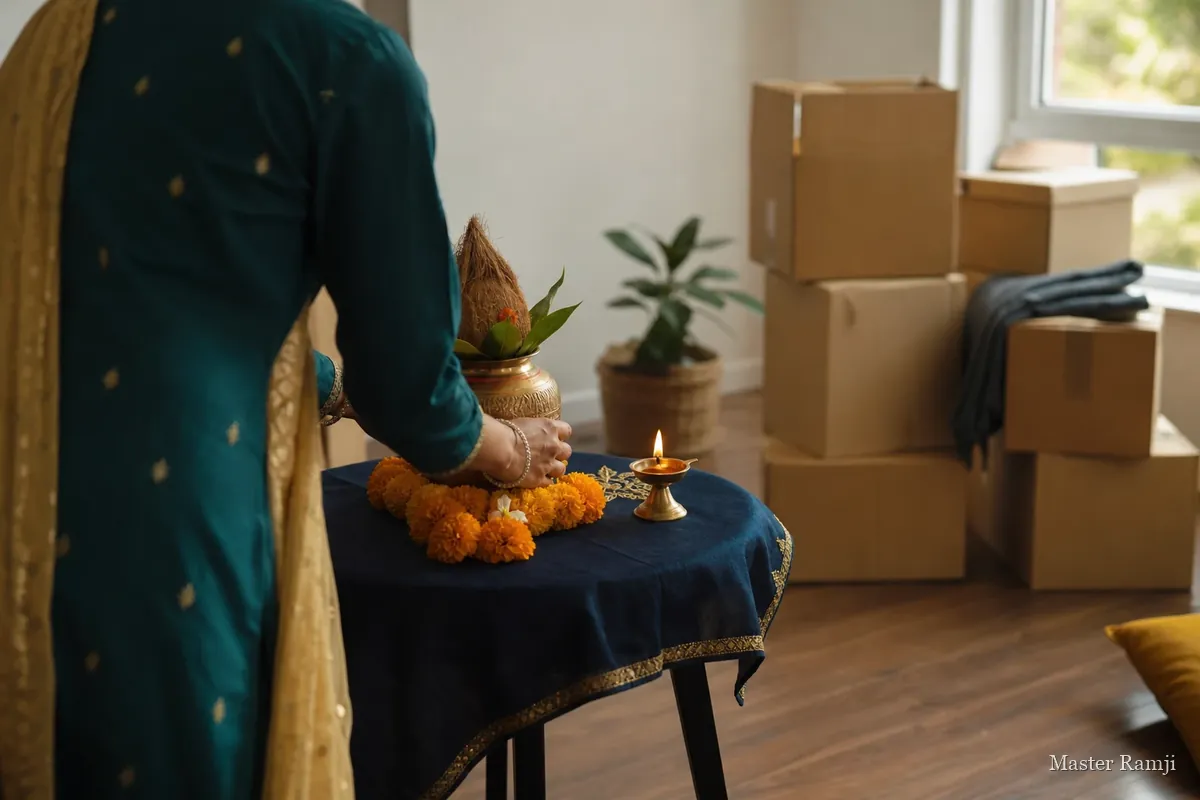
Renting in Maidstone: A Simple Home Blessing
Moved into a rental in Maidstone? A simple home blessing that respects Victorian renting rules, keeps smoke alarms working and leaves no marks behind.
Read article →More from Regional Victoria
Diwali and Community in Shepparton
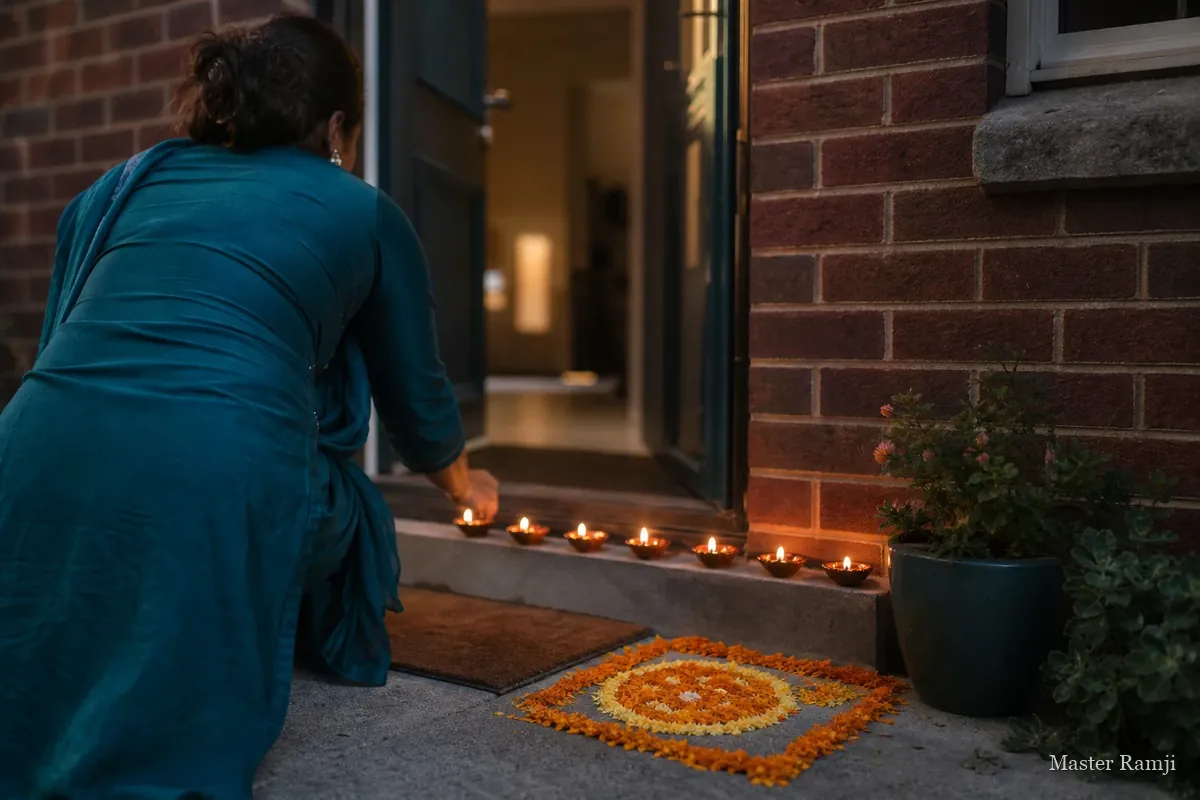
Marking Diwali in Shepparton? Who shares the festival locally, how to check this year's plans, and simple, safe ways to keep the lamps lit at home.
Read article →
Farm and Seasonal Work in Shepparton: Planning Ahead
Doing farm or seasonal work in Shepparton? How to plan around uneven income, check your pay under the Horticulture Award, and make career decisions calmly.
Read article →
Love and Family Pressure From Shepparton
Facing family pressure about who you love while living in Shepparton? Why it can feel lonelier in a regional city, and where to find confidential support.
Read article →Local pages
Astrologer for Geelong
For Geelong residents asking about vastu in Armstrong Creek, life after Deakin or worship in a smaller community. Sessions by phone, WhatsApp or video.
View area →
Astrologer for Ballarat
For Hindu families settling in Ballarat: older homes, cold winters and keeping traditions going. Vedic astrology by phone, WhatsApp or video, from Ascot Vale.
View area →
Astrologer for Bendigo
For people in Bendigo far from Melbourne's big temples: finding a match, goldfields homes and home worship. Vedic astrology by phone, WhatsApp or video.
View area →Quick answers
What is vastu shastra?
Vastu shastra is a traditional Hindu system of home and building design based on direction and layout. Here is what it covers and what it can't claim.
Read answer →Can vastu be applied in a rental?
Yes, vastu can be applied in a rental if you stick to reversible changes. Here is what to try first and what Victorian renters should check.
Read answer →Talk to Vijay Ramji
Tell us what you are facing. If a reading is unlikely to help, you will be told that plainly.