
A Vastu Checklist for Open Inspections
A vastu checklist for buying a house notes the entry direction, block shape, kitchen, main bedroom, toilets, the centre of the home, and light and air. Use it as a secondary note only. Building and pest reports, legal advice and flood, fire and planning checks must come first and should decide the purchase.
You might have twenty minutes at an open inspection, a crowd in the hallway and an agent with a clipboard. If vastu matters to your family, it helps to know exactly what to look for before you get there.
First, though, a clear rule. Vastu is a tradition, not a building assessment. A good vastu layout doesn't make a house sound, and an awkward one doesn't make it a bad buy. This checklist is written to sit behind your professional advice, never in front of it.
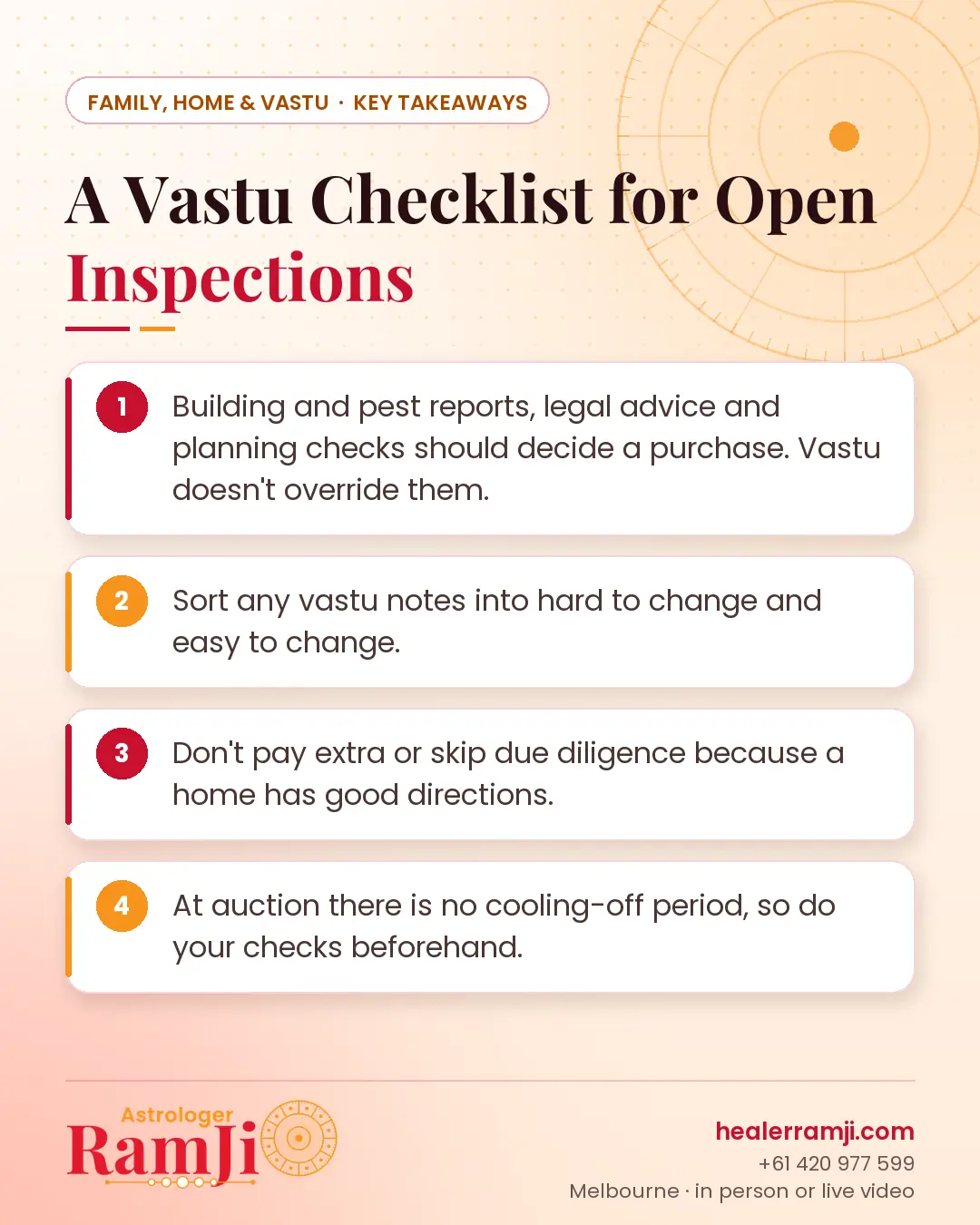
Key takeaways
- Building and pest reports, legal advice and planning checks should decide a purchase. Vastu doesn't override them.
- Sort any vastu notes into hard to change and easy to change.
- Don't pay extra or skip due diligence because a home has good directions.
- At auction there is no cooling-off period, so do your checks beforehand.
What should you check before thinking about vastu?
Consumer Affairs Victoria's due diligence checklist is the place to begin. It suggests looking into:
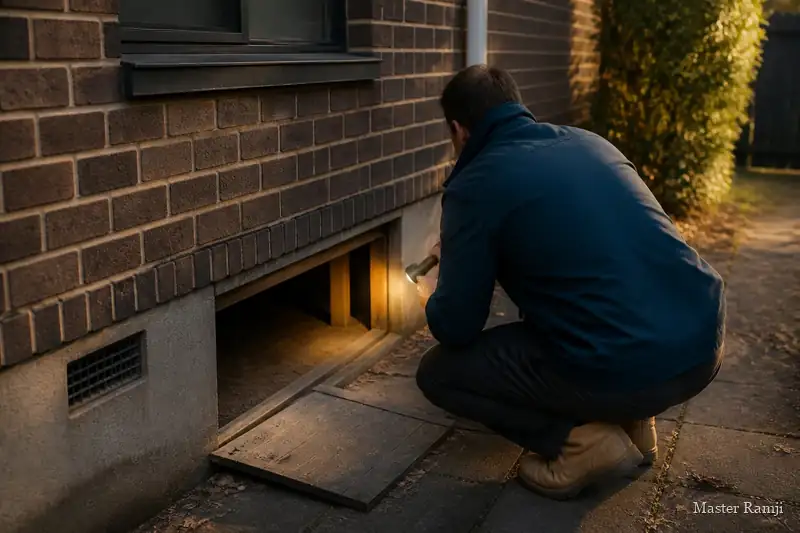
- Building condition. Professional inspections can help you assess electrical safety, asbestos, termites and other hazards, as well as possible illegal building work and pool or spa fencing.
- Flood and fire risk. These can affect the land, the buildings and your insurance premiums.
- Planning. Zoning and overlays can limit what you can do, and developments nearby can change the area.
- Owners corporation. If there is shared property, you may have fees and rules to follow.
- Legal documents. A lawyer or conveyancer should check the contract of sale and the section 32 vendor's statement, ideally before you commit. A section 32 statement is not a building inspection.
Timing matters too. Consumer Affairs Victoria explains that a private sale can be made subject to a building or pest inspection if the condition is written into the contract. At auction, you can't add conditions without the seller's agreement, so you should get your reports before the day. The three clear business day cooling-off period generally applies to private sales, not auctions, and it has other exceptions and a cost. Ask your conveyancer how this applies to you. Rules change, so check the current guidance.
What should go on your vastu checklist?
Once you have that covered, take a photo of the floor plan and note these points as you walk through. Most can be done quietly:
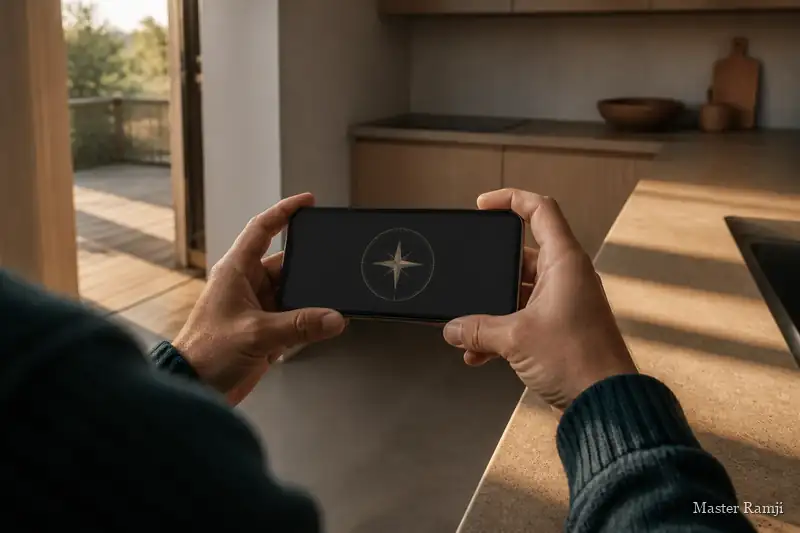
- The direction of the main entrance. Use a satellite map as well as your phone, since a compass reading can sit well off true north.
- The shape of the block. Square or rectangular blocks are traditionally preferred. Note any cut corners, particularly on the north-east.
- The slope of the land. Tradition favours a fall to the north-east. In practice, how water drains is a question for your building inspector.
- The centre of the home. Is it open, or does it hold a toilet, a stair or a storage room?
- The kitchen. South-east is the traditional preference, with north-west the common alternative.
- The main bedroom. South-west is the usual suggestion.
- Toilets and bathrooms. Readers tend to dislike these in the north-east or the centre.
- A place for prayer. Is there a quiet spot on the north-east or east side?
- Morning light and airflow. Do the rooms feel bright and aired, or closed in?
- A road pointing at the house. Some traditions dislike a home at the end of a T-junction. Traffic noise and headlights are also worth considering.
In Australia, some practitioners swap north and south when reading these points. Our article on whether vastu changes in the southern hemisphere explains why, so don't be alarmed if two readers mark the same plan differently.
How do you read your notes afterwards?
Sort everything you noted into two columns.
Hard to change: block shape, the direction of the land, road position, and where plumbing runs. If a concern falls here and it really matters to you, then you should know about it before you offer.
Easy to change: furniture, colours, lighting, what a spare room is used for, where a prayer shelf goes. Most findings will land here, and very few should stop you buying a home that otherwise suits you. For a sense of proportion, see do you need to renovate for vastu?
One common fear deserves a mention. A south-facing house isn't a reason to walk away, as we explain here. In Melbourne, it can mean a north-facing garden and living area at the back.
Where should vastu sit in your decision?
Think of an order of priority:
- Safety and the structural condition of the home
- Legal and title matters
- What you can afford, as discussed with your own lender or a licensed adviser
- Location, schools, work and family
- Comfort, light and how the home feels to you
- Vastu and any other tradition you follow
If your family feels strongly about vastu, you might place it higher among the personal factors. But it shouldn't jump ahead of the first three. If a building report raises a serious defect, a good vastu layout changes nothing. And if a vastu reader tells you to ignore a report, ignore the reader.
Can you do this politely at an open inspection?
Yes. Agents see all sorts of buyers. Ask whether you may take photos, avoid photographing the current occupants' personal things, and don't move anything. If you want to come back with a family member, ask for a private inspection. Brochure floor plans are often only a guide and may not be to scale, so confirm anything important.
What vastu can't tell you
A vastu reading can't tell you that a house will bring wealth, health or a happy marriage, and it can't tell you the market is about to rise. It can't see inside a wall or under a floor. Treat anyone who promises otherwise with caution, particularly if they also want a large fee to fix a home you haven't bought yet.
What comes after you buy?
Many families want to mark the move. Our griha pravesh and home buying timing service looks for dates that fit around settlement. If you would like a floor plan looked over once your professional checks are done, our vastu for homes service focuses on changes that don't require demolition. To ask a question, please get in touch.
Related service
Keep reading

Vastu for the Kitchen
The traditional vastu kitchen direction, where the stove and sink are meant to go, and practical alternatives for Australian open-plan homes, rentals and apartments.
Read article →
Vastu for the Bedroom
Vastu advice on bedroom direction and bed placement, set against real comfort: draughts, windows, ensuites and sleep. Practical, reversible ideas for any home.
Read article →
Setting Up a Home Office With Vastu
Working from home? How to apply vastu to your home office desk direction, find true north in Australia, and balance tradition with glare, calls and comfort.
Read article →Quick answers
What is vastu shastra?
Vastu shastra is a traditional Hindu system of home and building design based on direction and layout. Here is what it covers and what it can't claim.
Read answer →Can vastu be applied in a rental?
Yes, vastu can be applied in a rental if you stick to reversible changes. Here is what to try first and what Victorian renters should check.
Read answer →Talk to Vijay Ramji
Tell us what you are facing. If a reading is unlikely to help, you will be told that plainly.