
Vastu for Older Beachside Homes in Altona
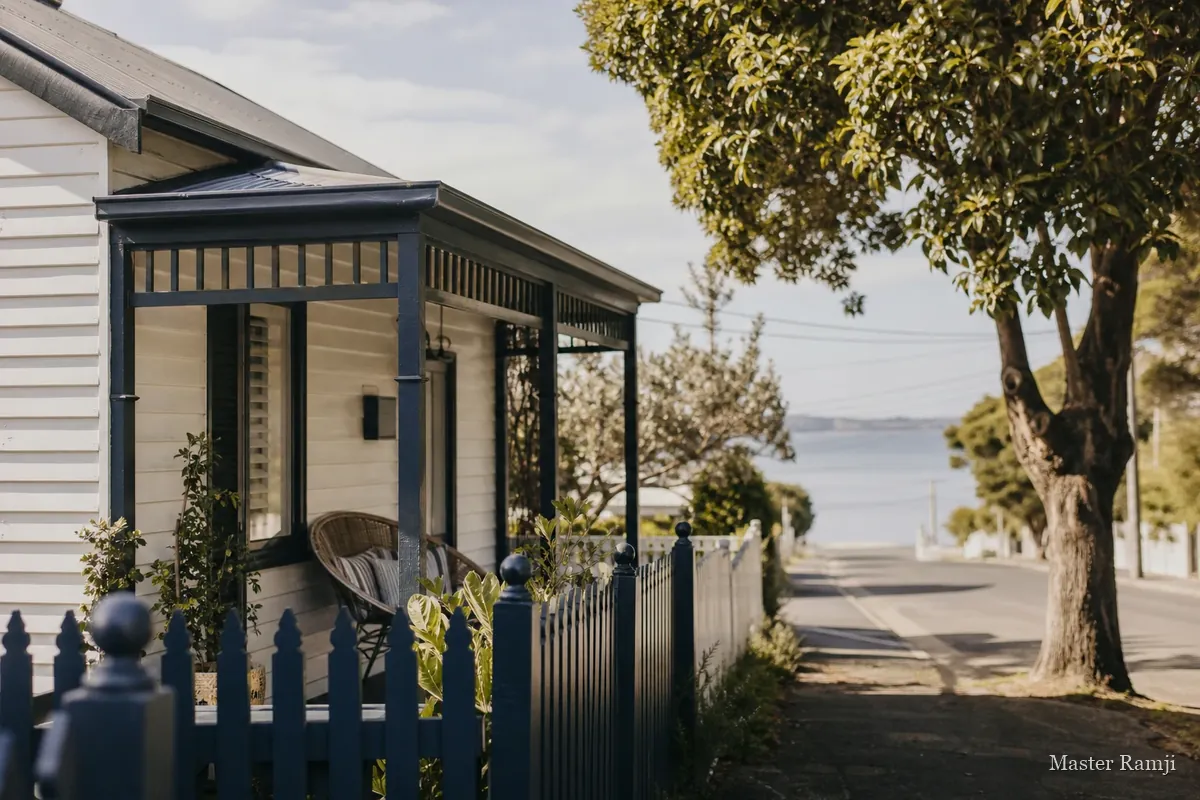
In an older Altona home, vastu usually starts with the layout you already have. Use rooms, furniture, light and clutter to follow the traditional directions, and leave walls alone. If you do plan works, check with Hobsons Bay City Council and for asbestos first, since many older homes predate 1990.
Altona's life as a suburb began in the 1880s. The Hobsons Bay City Council history notes that the railway reached Pier Street in 1888 and was extended to the beach two months later, and that the first housing block in the Altona estate sold that September. Many homes were added later, in waves, and some started life as something quite different from a family house.
If you own or rent one of these older homes, you may be wondering whether vastu still has anything to offer. It does, as long as you work with the house rather than against it. This page is about getting the most from an existing layout near the water, without tearing anything down.
Key takeaways
- Most vastu advice for an older home can be followed by changing how rooms are used, not how they are built.
- The bay view is lovely, but vastu reads compass direction, not scenery.
- Before any physical work, check council rules and test for asbestos. Vastu never outranks safety.
- Vastu is a tradition and a way of thinking about space. It cannot fix money, health or relationships on its own.
What makes an older Altona home different?
Altona grew in fits and starts. The Encyclopedia of Melbourne entry on Altona says many houses from the first half of the twentieth century were technically holiday shacks, though plenty were lived in all year. It also says the suburb grew fastest between the 1950s and the 1980s, when new houses appeared along Altona Bay and at Seaholme.
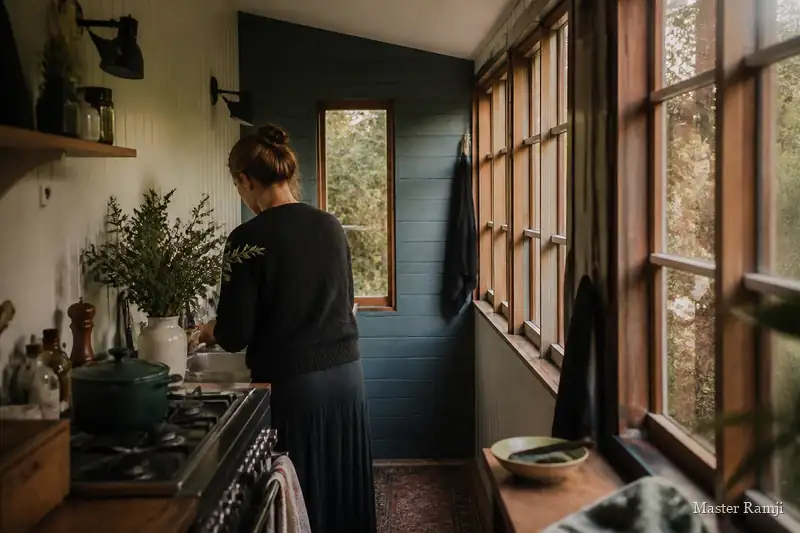
That history shows up inside the house. You may find a kitchen tucked into a former sleep-out, a bathroom added at the back, or a lounge that was once two small rooms. None of this was planned with vastu in mind. That is normal, and it doesn't make the house "bad". It just means you start with what's there.
How do you read the layout you already have?
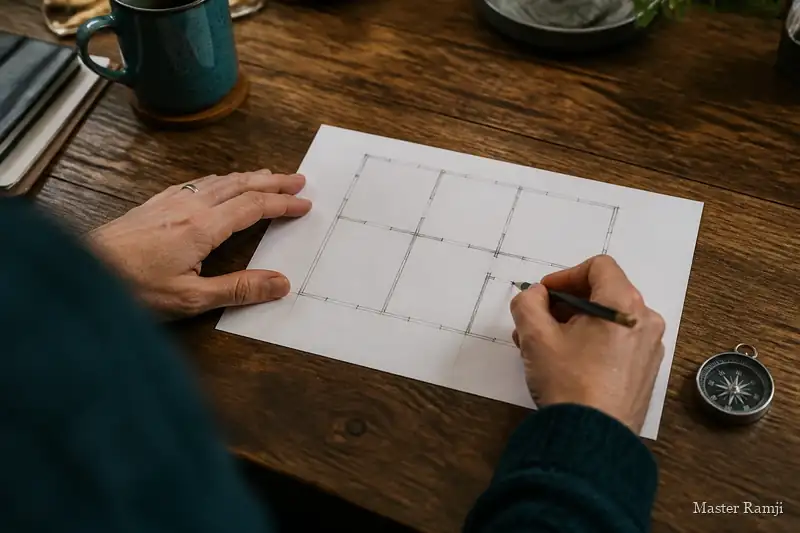
Start with a simple floor plan. Hand-drawn is fine. Use a phone compass to mark north, then divide the plan into a three-by-three grid. In mainstream vastu, each zone has a traditional use:
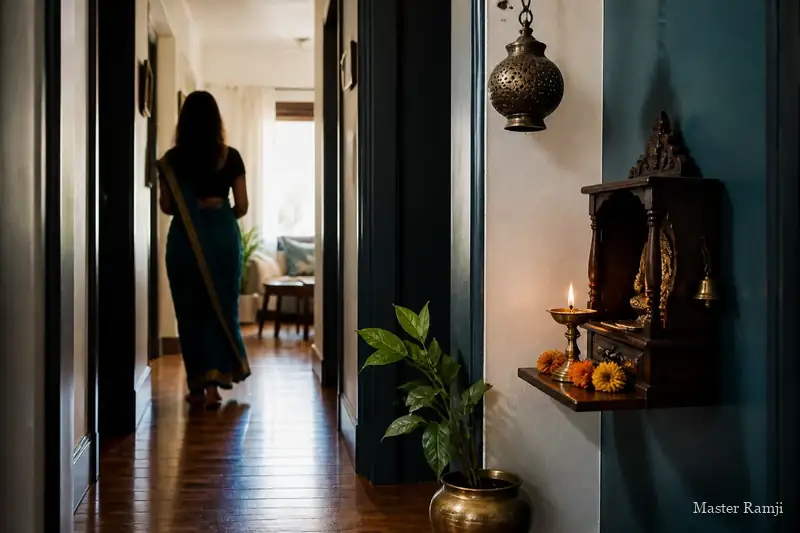
- North-east. Often kept light, clean and open. Many families place a prayer shelf here.
- South-east. Linked with fire, so it is the traditional place for the kitchen or stove.
- South-west. Linked with weight and stability. A main bedroom, heavy cupboards or storage often go here.
- Centre. The brahmasthan is ideally kept uncluttered.
Teachers differ on the finer points, and some debate whether directions should be read differently south of the equator. You can read more in our look at vastu in the southern hemisphere. Whichever view you follow, the plan helps you see which rooms already fit and which don't.
Does facing the bay matter in vastu?
People near the beach often want their living area pointed at the water. That's a reasonable choice for light and mood. But vastu is concerned with direction, and the bay sits in a different direction depending on which street you live in. A view toward the water is not automatically good or bad in this tradition.
What matters more is how the entrance and main rooms sit on the compass. If your front door falls in a zone that is traditionally less favoured, the usual advice is to keep it well lit, clean and easy to approach. Moving the door is rarely needed.
Can you apply vastu without renovating?
Usually, yes. Home vastu without renovation is the most common kind of work in an existing house. Some practical options:
- Swap room uses. A spare room in the south-west may suit the main bedroom better than the one you're in.
- Move heavy items. Bookcases, wardrobes and storage can shift toward the south and west.
- Clear the centre. Many older homes have a central hallway. Keep it free of shoes, boxes and clutter.
- Lighten the north-east. Clean windows, lighter curtains and fewer heavy objects are simple changes.
- Mind the sleeping direction. Many vastu teachers suggest sleeping with your head to the south or east, though advice varies.
For a short answer on structural changes, see whether you need to renovate for vastu. In most cases the answer is no.
What should you check before changing anything physical?
Sometimes people do want to move a kitchen or open up a wall. Before anything like that, two checks come first.
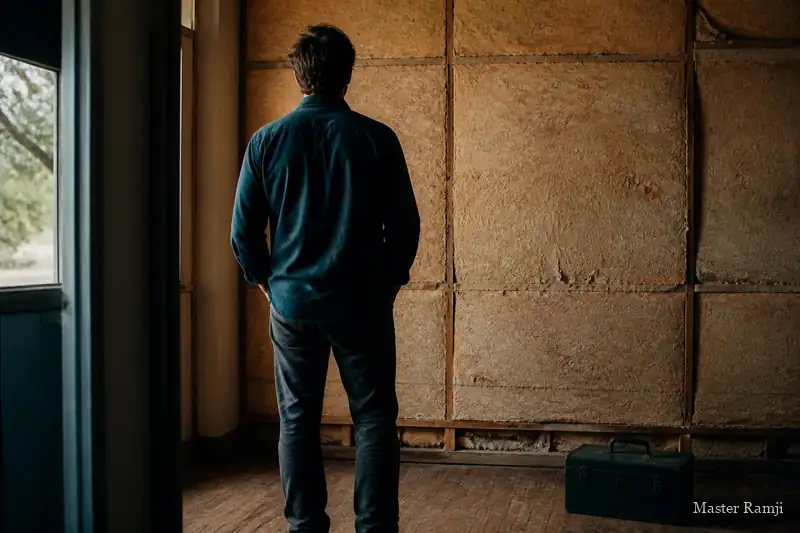
The first is asbestos. The Victorian Government's asbestos guidance for homeowners says a home built or renovated before 1990 likely contains it, and advises checking before any repairs or renovations, even drilling into a wall. Many Altona homes fall into that age range. A vastu suggestion is never a reason to disturb old sheeting without a professional assessment.
The second is council rules. Some older areas have planning controls, and building permits apply to many changes. Ask Hobsons Bay City Council what applies to your property before you commit to any plan. A good vastu consultant will tell you to do this, not work around it.
What if you rent or the home is shared?
Renters can still follow most of the steps above, because they involve furniture, light and tidiness rather than walls. Get your landlord's written approval before any change to the property itself. If you share the house with family or housemates, talk it through first. A change that suits one person's beliefs shouldn't be forced on everyone else.
Some people moving into an older place also wonder about the people who lived there before. That's a separate question, covered in whether a home holds its previous owner's energy.
What can vastu not do?
Vastu is a traditional system of design and placement. It is not engineering, and it is not science. It won't fix rising damp, a leaking roof or a cold south-facing room. Those need a builder, plumber or energy assessor. Nor can it decide your finances, health or family harmony. If a consultant says your problems will end once you pay for a costly remedy, treat that as a warning sign.
What vastu can offer is a calm, orderly way to think about how you use your home. For many families, that alone makes a house feel more settled.
How can a consultation help?
If you'd like a second opinion on your floor plan, vastu for homes in Melbourne looks at your existing layout and suggests low-cost, reversible changes first. Fees are stated before any paid work begins, and sessions can be held by phone, WhatsApp or video, so you can walk through your Altona home on screen.
See more on our work in Melbourne's western suburbs, or get in touch to arrange a time.
Related service
Keep reading
Renting in Maidstone: A Simple Home Blessing
Moved into a rental in Maidstone? A simple home blessing that respects Victorian renting rules, keeps smoke alarms working and leaves no marks behind.
Read article →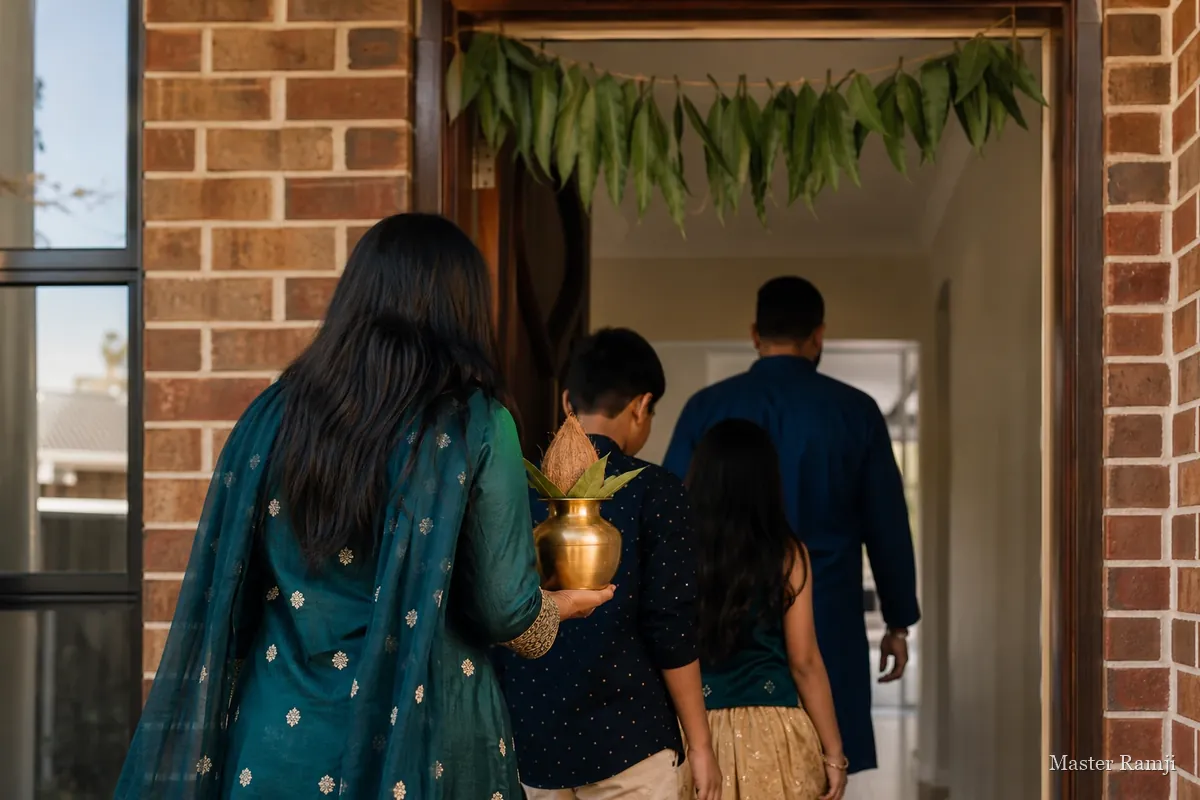
Griha Pravesh in Regional Victoria: Doing It Simply
No priest near your new home in Wodonga? How to hold a simple, respectful griha pravesh yourself, time it for your town, and keep any fire within CFA rules.
Read article →
Working From Home in Truganina: Vastu on a Fixed Plan
Your Truganina study is where the builder put it. How to apply home office vastu on a fixed floor plan: desk direction, light and clutter, without renovating.
Read article →More from Melbourne's Western Suburbs
Renting in Maidstone: A Simple Home Blessing
Moved into a rental in Maidstone? A simple home blessing that respects Victorian renting rules, keeps smoke alarms working and leaves no marks behind.
Read article →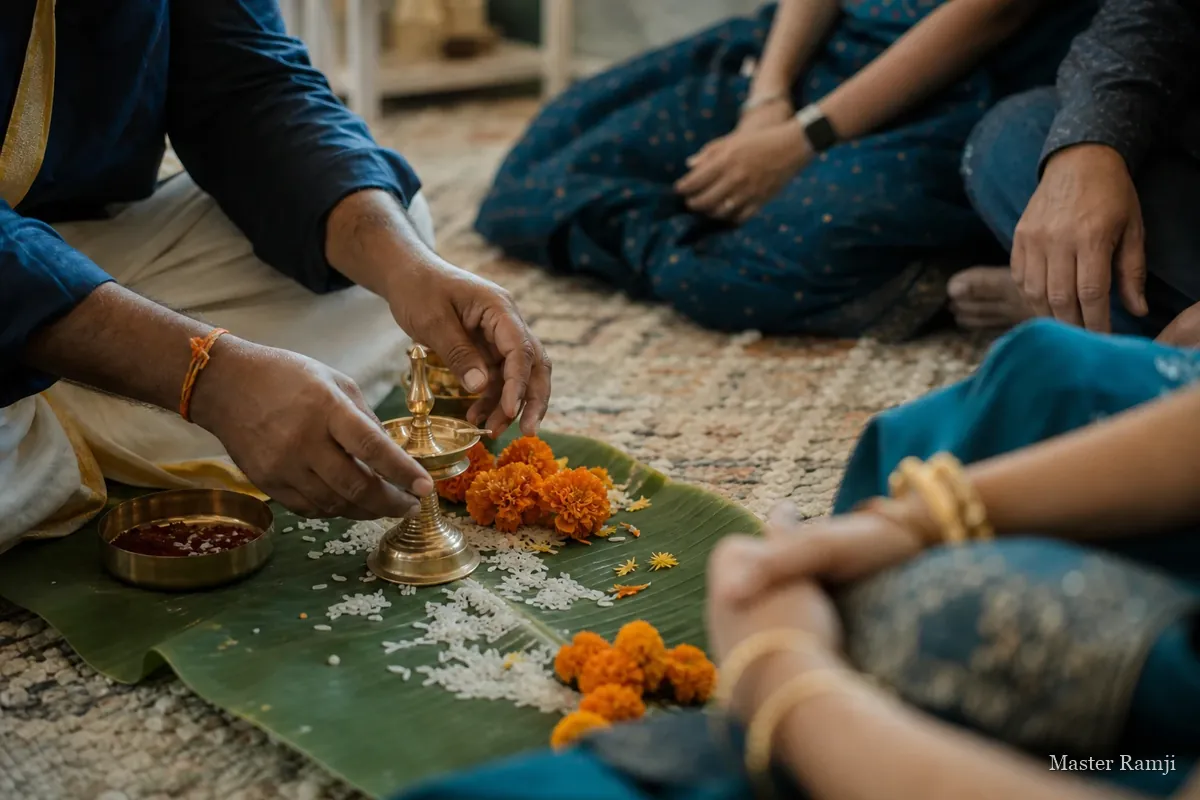
Finding a Priest Who Knows Your Family's Tradition
North and South Indian rites, calendars and customs differ. How to find a pandit in Melbourne's west who suits your family's tradition, and what to ask first.
Read article →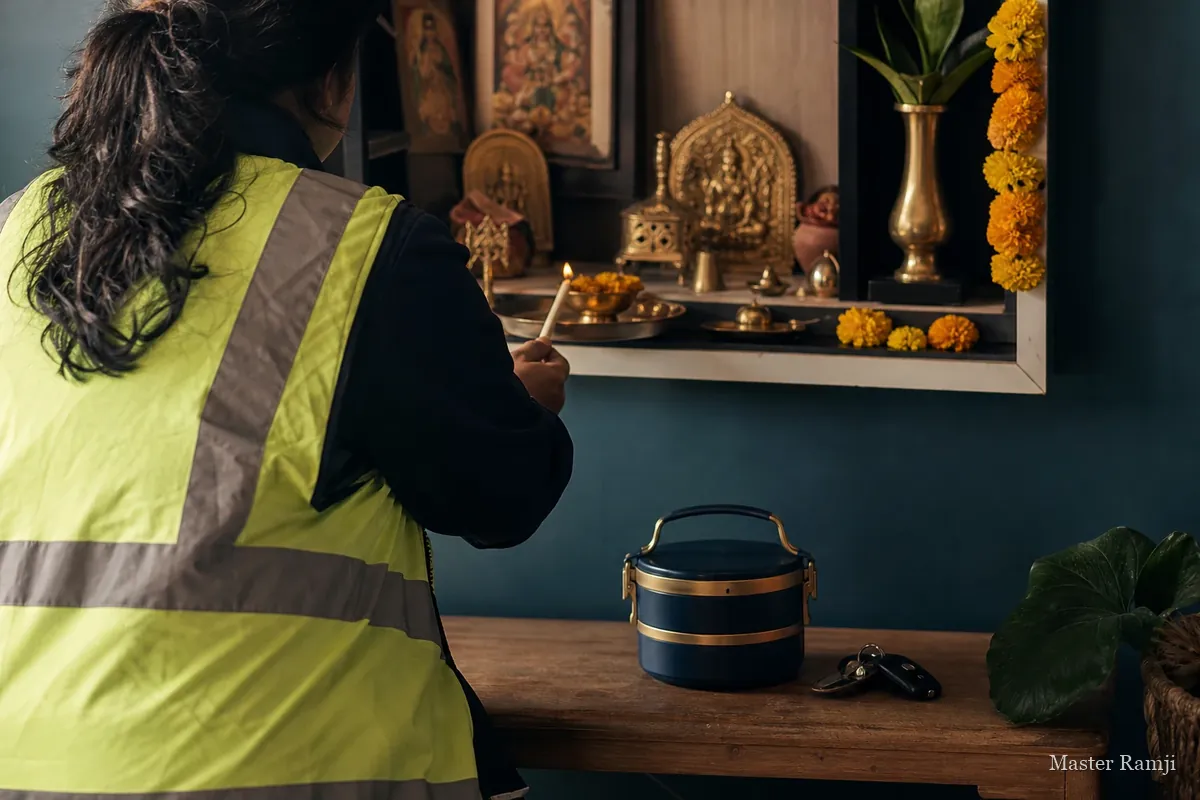
Keeping Navratri in Wyndham Around Shift Work
On a rotating roster in Truganina, Tarneit or Werribee? How to keep the nine nights of Navratri in Wyndham, fast with care, and stay safe after night shifts.
Read article →Local pages
Astrologer for Footscray
Live in Footscray? Vijay Ramji is based in Ascot Vale, with sessions by phone, WhatsApp or video. Questions that fit apartments, study, shops and mixed families.
View area →
Astrologer for Sunshine
In Sunshine, Victoria? Vijay Ramji is based in Ascot Vale, with sessions by phone, WhatsApp or video. Questions about older homes, changing work and family.
View area →
Astrologer for Werribee
Live in Werribee? Vijay Ramji is based in Ascot Vale, with kundli readings by phone, WhatsApp or video. Questions for long-settled families and new arrivals.
View area →Quick answers
What is vastu shastra?
Vastu shastra is a traditional Hindu system of home and building design based on direction and layout. Here is what it covers and what it can't claim.
Read answer →Can vastu be applied in a rental?
Yes, vastu can be applied in a rental if you stick to reversible changes. Here is what to try first and what Victorian renters should check.
Read answer →Talk to Vijay Ramji
Tell us what you are facing. If a reading is unlikely to help, you will be told that plainly.