
Praying for Someone in a Parkville Hospital
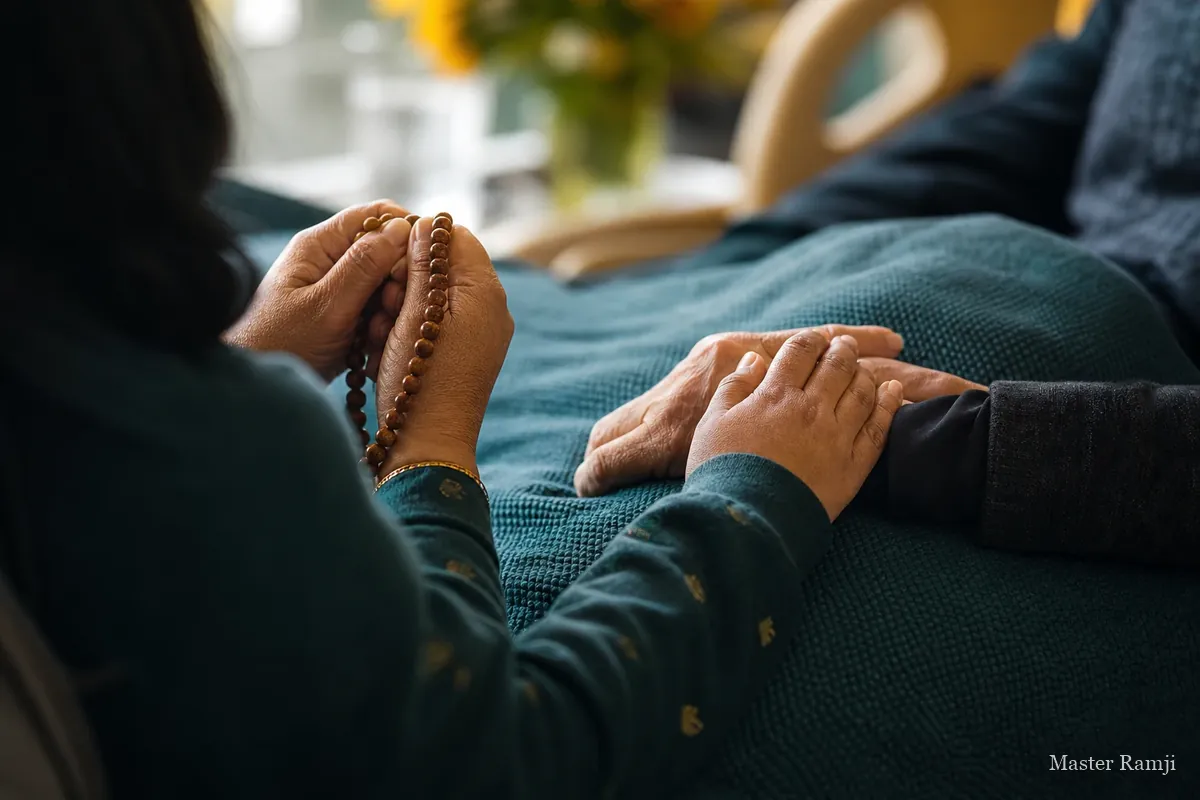
If someone you love is in a Parkville hospital, you can pray quietly at the bedside or at home, use a hospital's prayer or multi-faith space, and ask the treating team about spiritual care. Prayer may comfort you and your family, but it does not replace treatment. Keep following the medical team's advice.
If you are reading this from a hospital corridor on Grattan Street or Flemington Road, we are sorry you are going through this. Parkville is home to the Royal Melbourne Hospital, the Royal Women's Hospital, the Royal Children's Hospital and, in the same precinct, the Peter MacCallum Cancer Centre. Many families come here during the hardest weeks of their lives.
You may want to pray and not know what is allowed. This short guide covers what these hospitals say on their own websites, and how to keep prayer alongside your relative's care.
Key takeaways
- Quiet prayer needs no equipment and, in most situations, no permission.
- Each Parkville hospital has its own spiritual care service. The nurse is usually the best person to ask.
- Ask the ward before bringing flame, incense, food, water or anything to be placed on the body.
- Prayer can be a comfort. It does not replace treatment, and nobody can honestly promise what it will do.
Can you pray at the bedside?
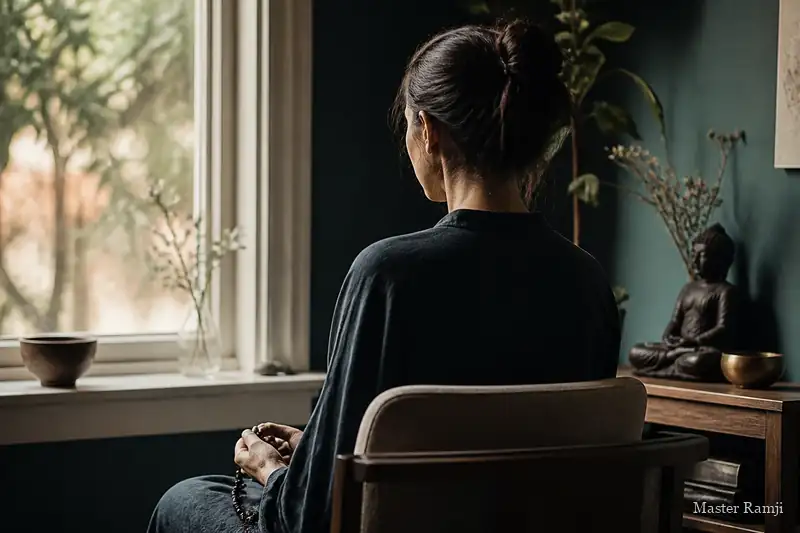
Usually, yes, if your relative would want it and you keep it quiet. A whispered mantra, a mala held in your hand or a few silent minutes with your eyes closed won't disturb anyone. In a shared room, keep your voice low and use earphones for any recording. If your relative is awake, ask them what they would like. Some people find prayer soothing. Others just want you to hold their hand and talk about ordinary things.
The Royal Melbourne Hospital's visitor page says that, in general wards, two visitors may be at the bedside at a time, with a rest period in the early afternoon. It also asks people not to come if they are unwell. Some wards, including intensive care, have their own rules. If your family is large, you might take turns, and others can join in at the same time from home. That way everyone can take part, and your relative gets the rest they need.
Where can you go to pray away from the ward?
These spaces are described on the hospitals' own sites. Check noticeboards for changes.
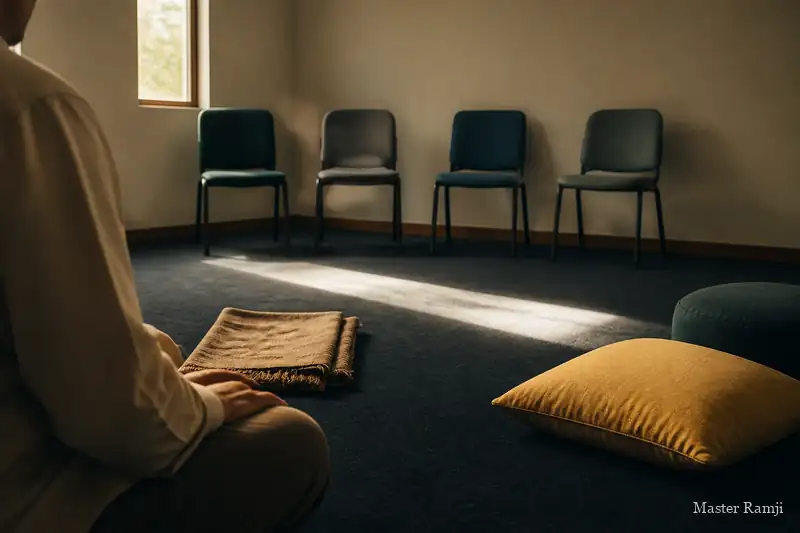
- Royal Melbourne and the Women's. The two hospitals share a multi-faith Sacred Space on the ground floor, in the corridor that links them, with a small prayer room nearby. It's open to patients, visitors and staff. The Royal Melbourne asks people to silence their phones and not to eat or drink there.
- Royal Children's. The prayer and meditation space is on the ground floor of the North Building, near the Family Resource Centre. It's open to people of all faiths and none.
- Peter Mac. Its site describes a Reflection Space on the ground floor, for people of all faiths and no faith.
How do you ask for spiritual care?
You don't need to be especially religious to ask. Each hospital handles this a little differently:
- Royal Melbourne. Its spiritual care service offers confidential support to patients and their loved ones, and says it coordinates visits by representatives of most religious traditions. Referrals come through the treating team, so start with your relative's nurse.
- The Women's. Its team visits wards on request. You can also invite your own community leaders, and staff can help you connect with people from your religious or cultural community.
- Royal Children's. Its service supports children and families of any faith or none. Any staff member can make a referral. It can also help with prayer and ritual, or arrange a visit from a leader of your faith.
- Peter Mac. Its site lists a spiritual care service, so ask your relative's nurse how to arrange a visit.
Please ask directly whether a Hindu chaplain or visitor is available. You could say, "We are Hindu. Can someone visit, or may our own priest come?" Hindu prayer in hospital can be simple, and a family priest may be able to help by phone.
What should you check before bringing anything in?
Ask the nurse in charge first, as rules can vary from one ward to the next.
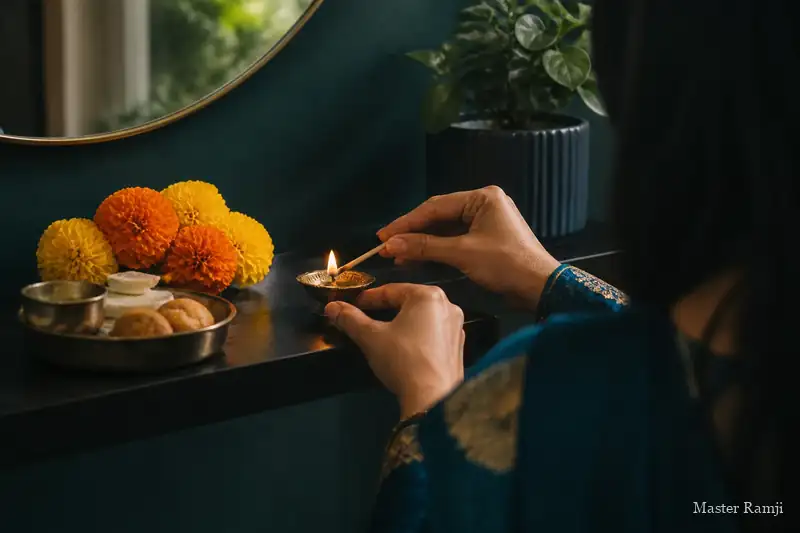
- Lamps, camphor and incense. Expect these to be unsuitable on a ward, as smoke and flame can be a safety risk, especially where oxygen is in use. You can light a lamp at home instead, or use a picture beside the bed if there's room.
- Prasad, holy water and home food. Check before giving your relative anything by mouth, even a drop. They may be fasting for a procedure, on a special diet or having trouble swallowing.
- Vibhuti, kumkum and threads. Ask before putting anything on the skin or tying anything on, as staff may need clear access for lines and dressings. If a thread has to come off, ask whether it can be kept safely.
- Flowers and garlands. The Royal Melbourne's intensive care page says no flowers at the bed space because of infection risk, so check first in any ward.
What can a family say?
Use whatever your family already knows. Many Hindu families say the Mahamrityunjaya mantra when someone is ill. Others prefer the Hanuman Chalisa, the Vishnu Sahasranama or simply the name of a beloved deity. Traditions differ, and no single prayer is the correct one. A prayer for a sick family member can be as short as their name and a wish for peace. If you would like help keeping up a routine, mantra and meditation guidance can offer a simple practice. Prayer and anxiety may also help on the long nights.
Does prayer help the person who is ill?
Many families feel that prayer holds them together, and that matters. But prayer isn't a medical treatment, and nobody can honestly tell you what it will do to an illness. If your relative gets worse, it does not mean that you prayed badly or not enough. Please don't carry that.
Keep all treatment going. Follow the doctors' advice on medication and timing, and don't delay a procedure to wait for a better date in the panchang. Be wary of anyone who tells you to stop treatment, or who sells a costly puja by promising a recovery. Using spiritual practices alongside medical treatment explains how to keep the two in their proper places.
What if the news is very hard?
Tell the nurse or doctor what matters to your family while there is still time to plan: who should be present, which prayers you would like to say, and any wishes about the moment of death or afterwards. Spiritual care staff at the Royal Children's can help families with rituals at that time, and the Women's offers guidance around death and dying, along with grief counselling.
When the time comes, spiritual support through grief is there for those who want it.
Who looks after you?
You can't keep watch for weeks without food and sleep. Take turns with others, go outside and let people help. Ask the ward whether a social worker can see your family. Your GP can help too, and healthdirect is on 1800 022 222 if you need health advice. If it all becomes too much, Lifeline answers at any hour on 13 11 14.
If you would like to talk with someone outside your circle, spiritual support in hard times is a confidential conversation, and it's no substitute for medical care or counselling. Sessions can be held by phone, WhatsApp or video, which may suit a long day in a waiting room. You can read about our work around the city and inner south or get in touch.

Related service
Keep reading
Spiritual Healing in Multicultural Springvale
Spiritual healing in Springvale can mean many traditions. Learn how they differ, how to check a practitioner, and which warning signs to take seriously.
Read article →
Finding Quiet in a Busy Flemington Life
Small, free ways of finding calm in a busy Flemington apartment, with short practices for tight spaces, nearby quiet places, and where to go for real support.
Read article →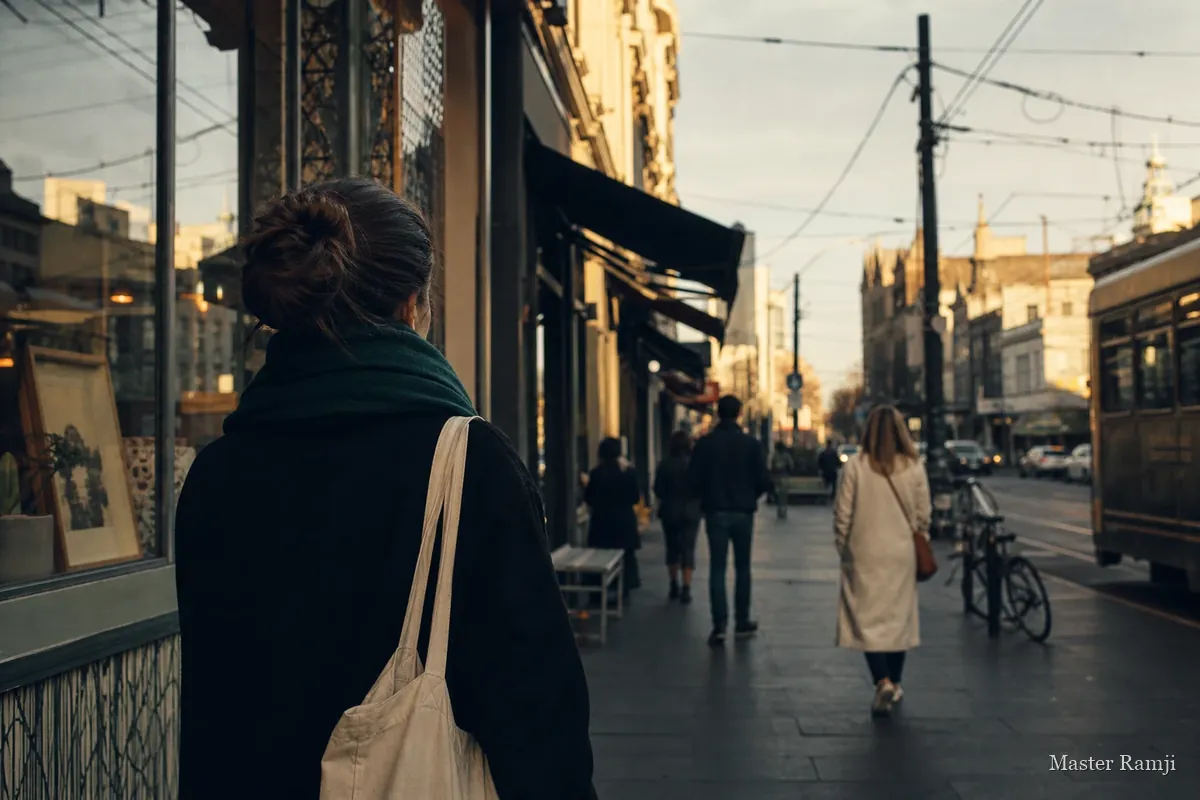
Choosing Between Healers in Brunswick
Comparing energy healers and spiritual healing in Brunswick? General checks on training, fees and boundaries, plus where to take a concern in Victoria.
Read article →More from Melbourne CBD and Inner South

Dating Apps and Astrology in South Yarra
App compatibility scores are not a chart reading. What astrology dating apps measure, what they miss, and how to date in South Yarra with your judgement intact.
Read article →
Starting Again After Divorce in Richmond
Thinking about marrying again in Richmond? A calm guide to privacy, family stigma, the legal steps after divorce, and what a chart can and can't tell you.
Read article →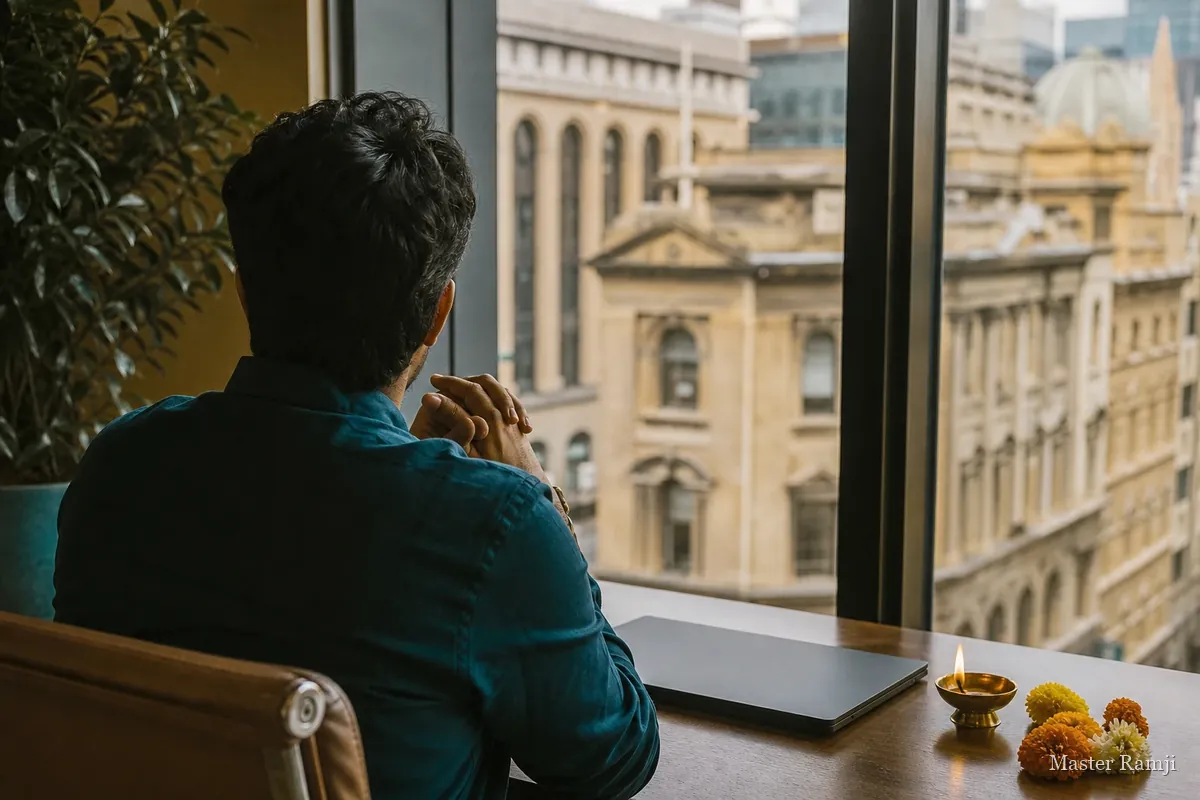
Founders in the CBD: Choosing a Launch Date That Holds Up
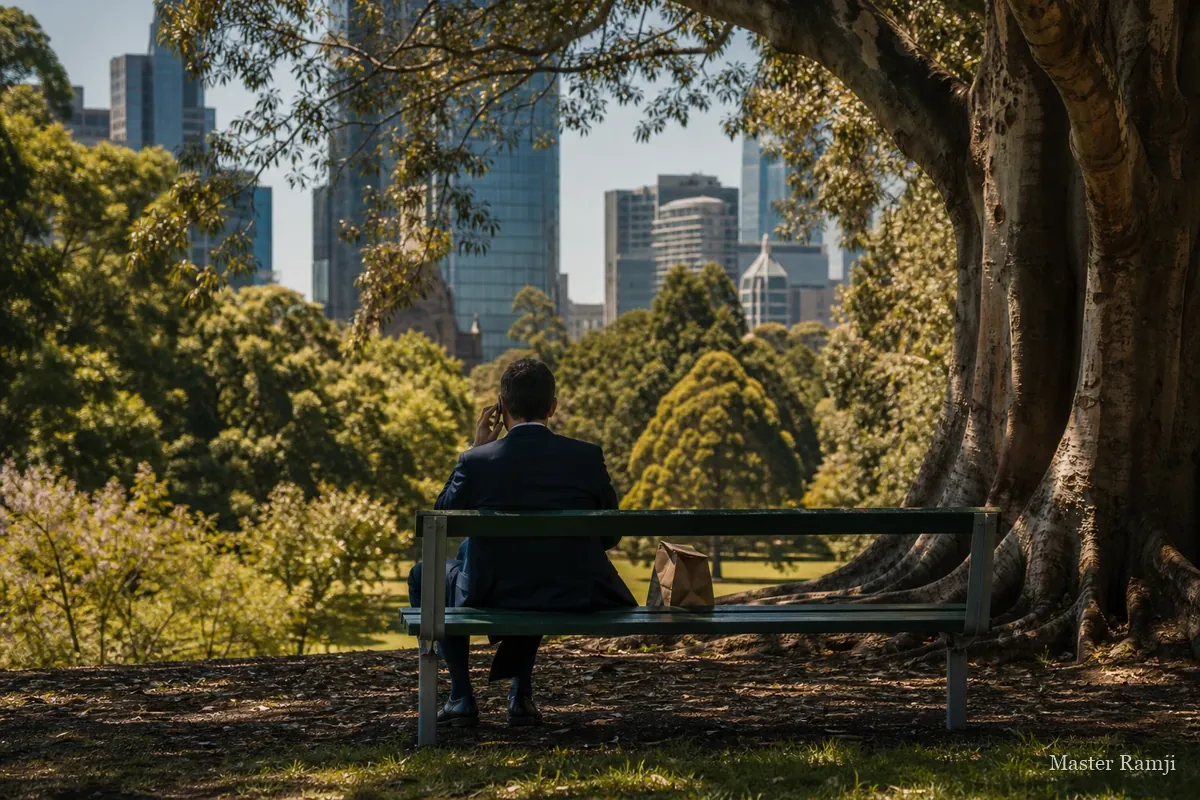
A Melbourne CBD founder with investor and product deadlines? How to fit a startup muhurat around real dates, what to time, and what it can never promise.
Read article →Local pages
Quick answers
What is energy healing?
Energy healing rests on the belief in a life force that can be guided. Here is what a session involves, and what the evidence does and doesn't show.
Read answer →Can spiritual healing replace a doctor?
Spiritual healing can't replace a doctor or prescribed treatment. Here is how to keep your faith alongside medical care, and which warning signs to watch for.
Read answer →Talk to Vijay Ramji
Tell us what you are facing. If a reading is unlikely to help, you will be told that plainly.