
Vastu for a Melbourne Apartment
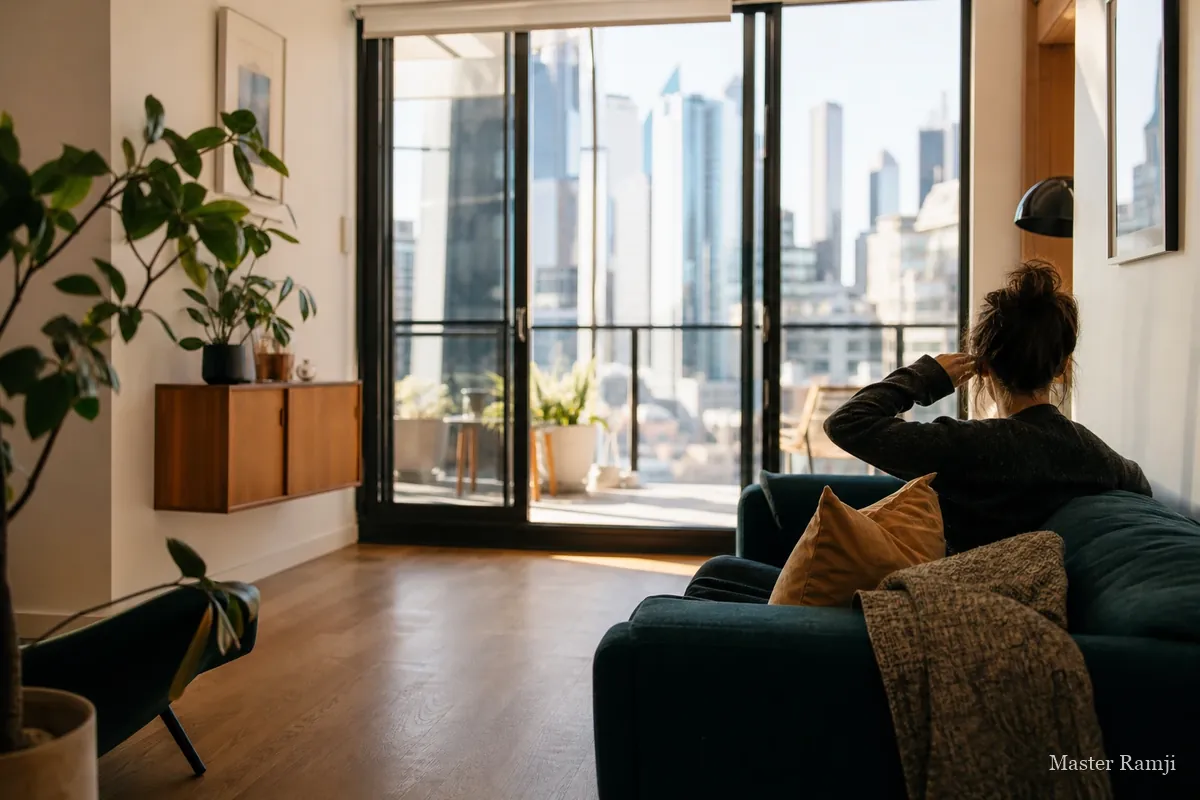
Vastu for apartments works within what you can't change. The door, kitchen, bathrooms and balcony are fixed, and owners corporation rules may limit more. You can still choose where your bed, desk and prayer space go, and keep the centre and balcony clear. Fire safety and building rules always come first.
Most vastu guidance assumes you can decide where the door, the kitchen and the stairs go. In a Melbourne apartment, a developer decided that years ago, and it is written into the building. A floor plan in Southbank or Footscray rarely asks your opinion.
That doesn't leave you with nothing to do. It means sorting what is fixed from what is yours to arrange, and leaving the fixed parts alone.
Key takeaways
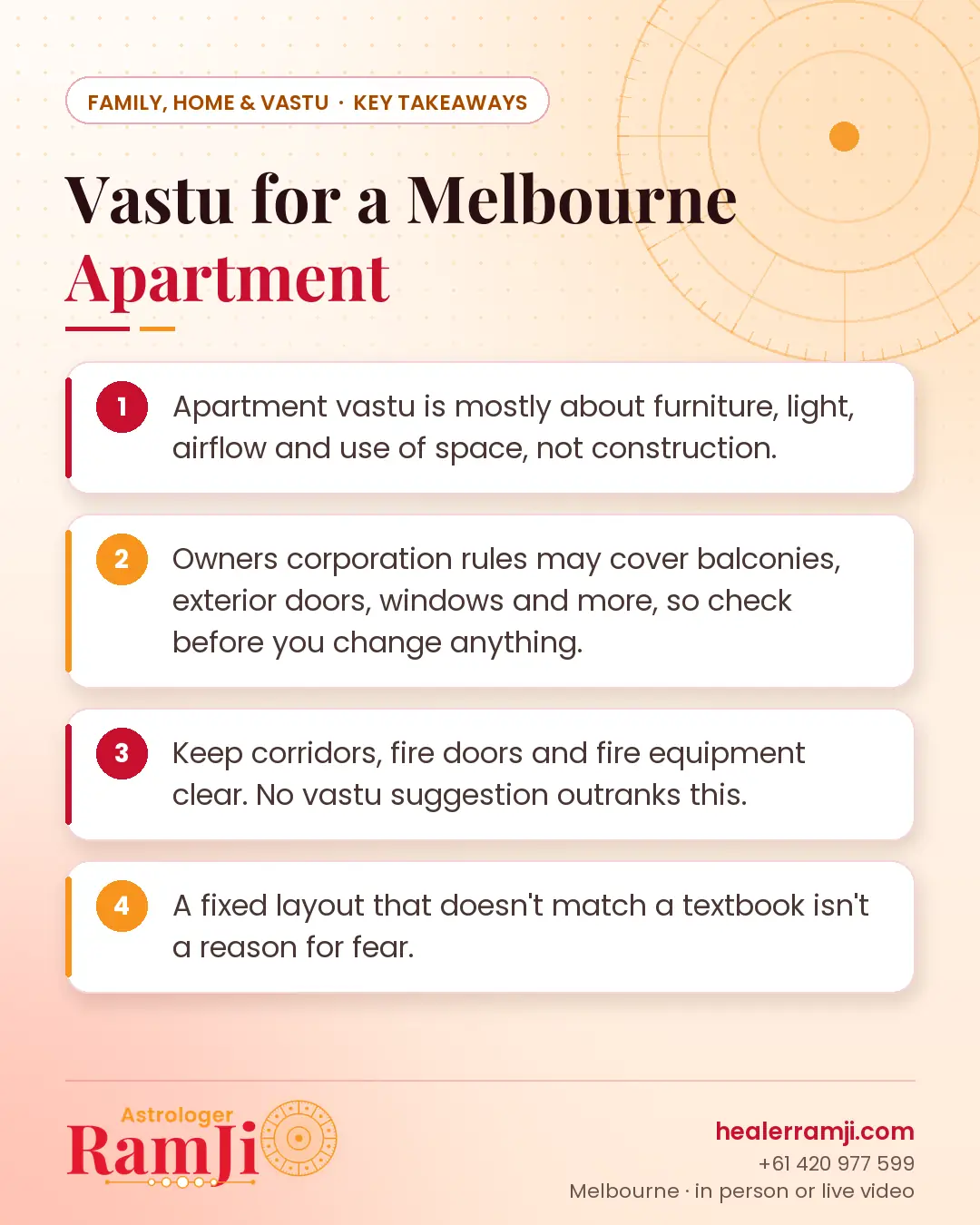
- Apartment vastu is mostly about furniture, light, airflow and use of space, not construction.
- Owners corporation rules may cover balconies, exterior doors, windows and more, so check before you change anything.
- Keep corridors, fire doors and fire equipment clear. No vastu suggestion outranks this.
- A fixed layout that doesn't match a textbook isn't a reason for fear.
What is actually fixed in a strata home?
In most apartments you should treat these as fixed:
- Plumbing and wet areas. Bathrooms, laundries and the kitchen sit where the services run.
- The entry door and its direction. It opens to a shared corridor and may be a fire-rated door.
- Windows and the balcony. They shape the look of the whole building.
- Structure. Walls, columns and slabs can be holding up the floors above.
In Victoria, an owners corporation can make rules requiring prior written approval before altering balconies, exterior doors and windows, and rules can extend to blinds, window coverings and the colour of exteriors. Your building's rules are the ones that count, so read them. Consumer Affairs Victoria says owners are entitled to refurbish the interior, but must notify the owners corporation if the work needs a building or planning permit. Whether a wall or a set of pipes can be moved is a question for a building practitioner, never a vastu reader.
How are directions read in an apartment?
Traditions differ here. Many practitioners read the apartment as its own small home and take directions from the centre of its floor plan. Some also consider the building's main entrance or its position on the block. In a tower, you have little say over either.
Finding north can be harder than you would expect, because steel and concrete can throw off a phone compass. Compare the floor plan with a satellite map instead. Then there is a further wrinkle: vastu in the southern hemisphere is itself debated, so the same corner may be read differently by different consultants.
What can you change without asking anyone?
The most useful changes tend to be the least dramatic. If you own the apartment or rent it, these generally involve no building work at all:
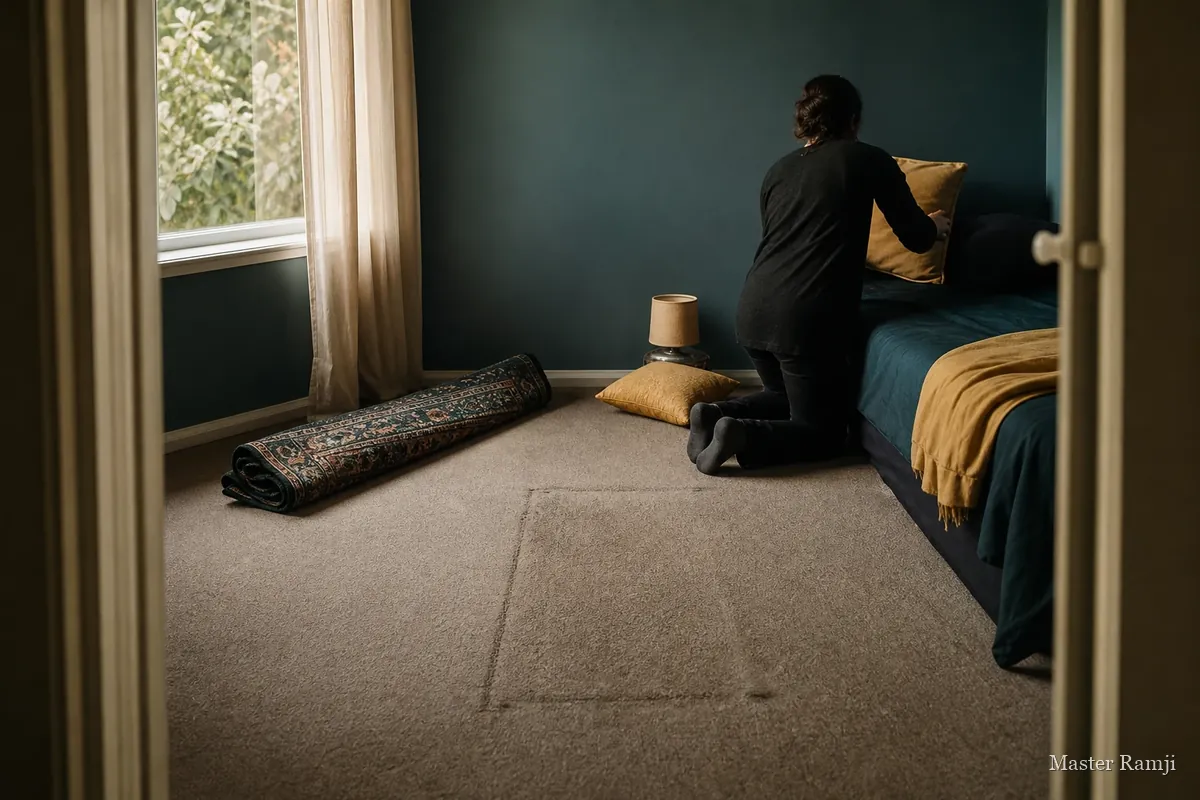
- Your bed. Many traditions suggest sleeping with your head to the south or east. If that blocks a door or a heater, or puts you under a window that leaks cold air, choose comfort.
- Your desk. Sitting to face east or north is the common suggestion. Good light and a chair that suits your back still matter more.
- The centre. The middle of the home is traditionally kept open. In a small flat, that might just mean not storing boxes in the middle of the living room.
- Lamps and light. Inner rooms can be dim. A lamp in a dark corner makes a space more pleasant, whatever you believe about energy.
- Clutter. Small homes fill quickly. Clearing out the hallway and the space behind the door is cheap and easy to keep up.
What if the kitchen is in the "wrong" corner?
This is the most common worry, and the honest answer is simple: leave it there. Moving a stove, gas line or exhaust in an apartment is real building work, and it may need permits and approval. It should never happen on the strength of a vastu reading alone.
Instead, some people choose to cook facing east where the bench allows, keep the kitchen clean, and keep the stove and sink tidy and separate as far as the layout permits. Vastu for the kitchen goes into this in more detail. A meal cooked in a south-west kitchen is still a meal cooked with care.
Where can a small mandir go?
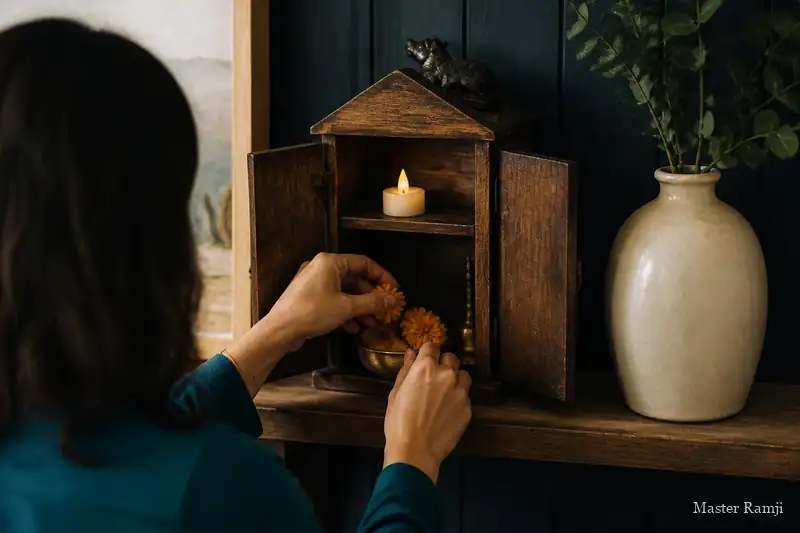
A quiet shelf in the east or north-east of the main living area is the usual suggestion, though this is flexible. A cupboard with doors you can close suits a studio or one-bedroom flat. Try not to place it directly facing the toilet door, if you can avoid that. Setting up a small home mandir covers placement and care.
Flames need more thought in a small space. The CFA advises keeping candles, incense and oil burners at least a metre from anything that can catch fire, and never leaving them unattended. Incense may also set off a smoke alarm. In some buildings, this can affect other residents, so ask your building manager how the alarms work. A battery lamp is a perfectly reasonable alternative.
What about the front door and the balcony?
People often want to mark the threshold with a toran, a mat or a small plant. Think carefully here, because the corridor isn't yours. The CFA warns against storing things in corridors or stairs, as this can block escape routes, and it says propping or wedging open a fire or smoke door is illegal. So no shoe racks or pot plants outside your door, and no drilling into it. Keep any decoration inside your own home, and ask the owners corporation about anything else.
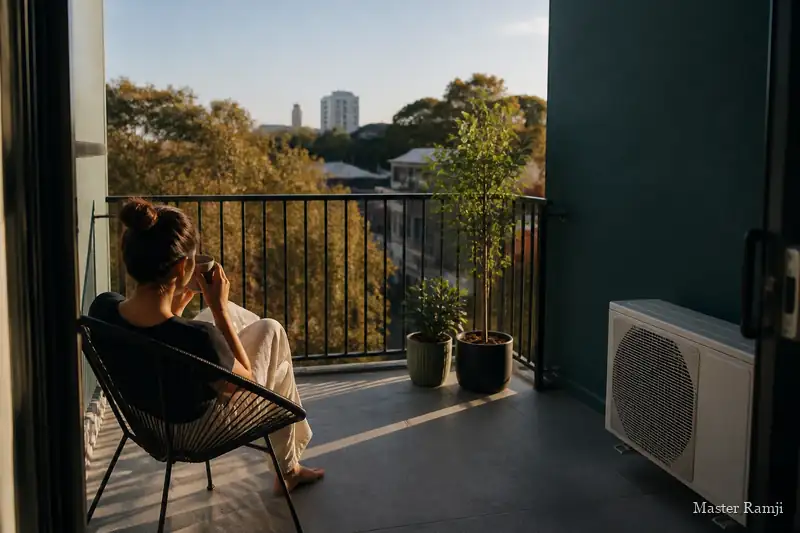
A balcony is often the only outdoor space you have, and vastu advice likes it clear and bright. So does fire safety. The CFA asks residents to keep balconies free of rubbish and clutter, and to keep items a metre from the air conditioning unit. Secure pots against wind, particularly on higher floors. Rules on drying washing or changing balcony screens may apply too.
Should you avoid an apartment because of its layout?
We would not tell you that. Price, location, the building's condition and the state of the owners corporation are concrete things that affect your life. A vastu reading is one way of thinking about a home, and it has not been shown to change your health, money or relationships. If you are buying, get legal and building advice first, then use a vastu checklist as a secondary note, if it matters to you.
If you rent, there are extra rules, which we have set out in vastu tips for a rental home.
Can a vastu consultation help with a fixed layout?
It can help you decide where things go and stop you worrying over what you can't change. Our vastu for homes service focuses on adjustments that don't involve demolition, and a floor plan can be discussed by phone, WhatsApp or video. Fees are stated before any paid work. It won't replace your owners corporation, your building surveyor or a licensed tradesperson. If you'd like to talk through your apartment, please get in touch.
Related service

Keep reading
Vastu Fixes That Work in a Rental
Vastu tips for a rental home in Victoria: what you can move, what renters may install without permission, what needs consent, and what to leave alone.
Read article →
A Vastu Checklist for Open Inspections
A simple vastu checklist for buying a house at an open inspection in Melbourne, and why building reports, your conveyancer and safety always come first.
Read article →
Vastu for the Kitchen
The traditional vastu kitchen direction, where the stove and sink are meant to go, and practical alternatives for Australian open-plan homes, rentals and apartments.
Read article →Quick answers
What is vastu shastra?
Vastu shastra is a traditional Hindu system of home and building design based on direction and layout. Here is what it covers and what it can't claim.
Read answer →Can vastu be applied in a rental?
Yes, vastu can be applied in a rental if you stick to reversible changes. Here is what to try first and what Victorian renters should check.
Read answer →Talk to Vijay Ramji
Tell us what you are facing. If a reading is unlikely to help, you will be told that plainly.