
Vastu for the Kitchen
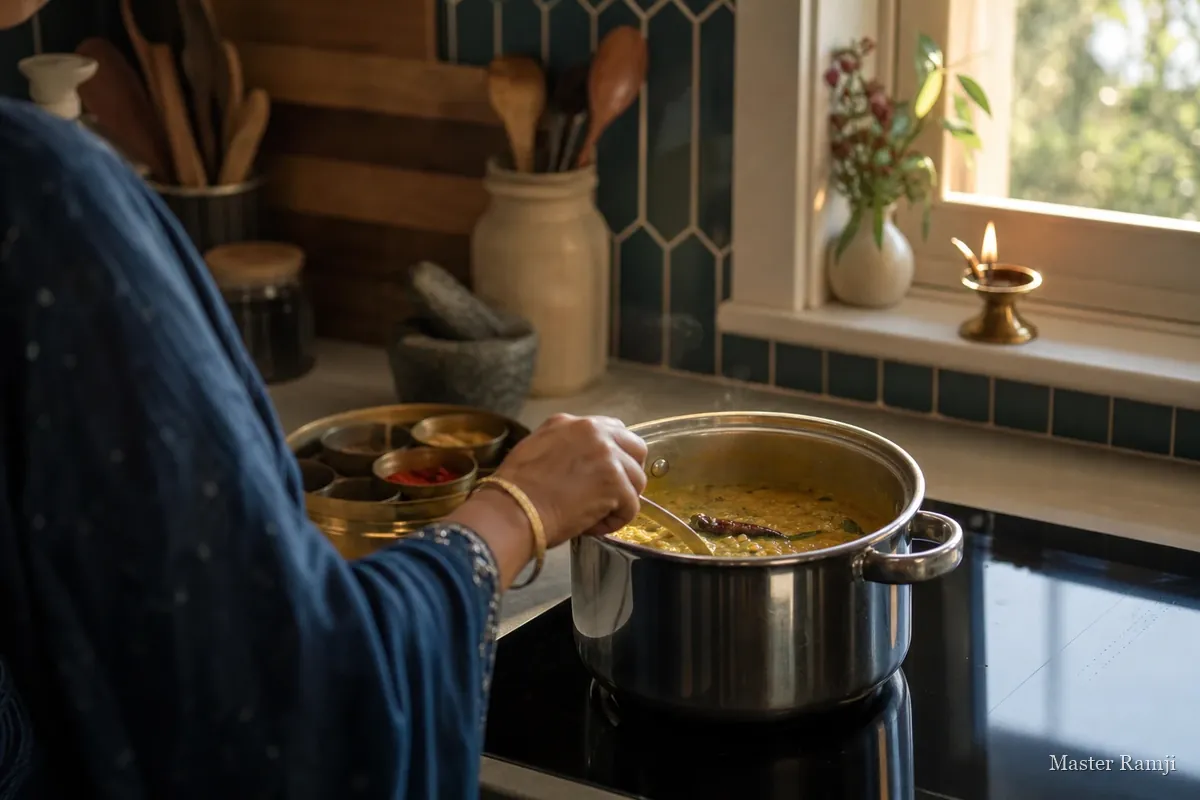
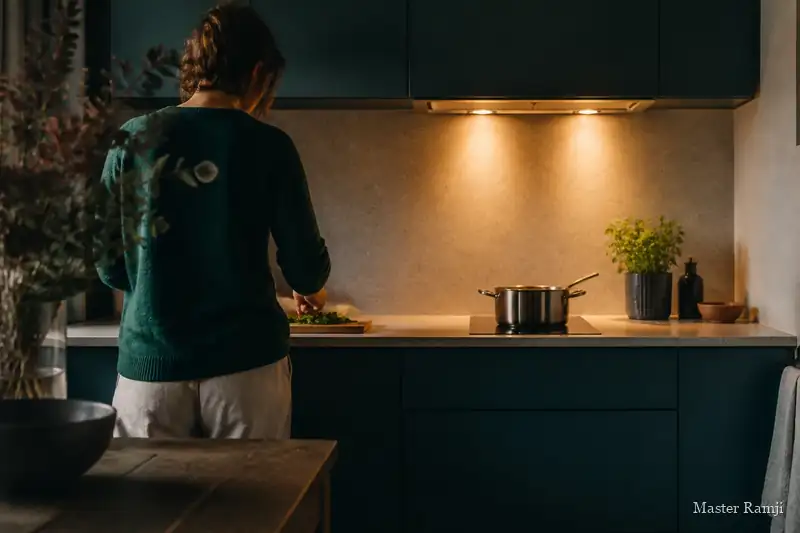
In traditional vastu, the best kitchen direction is the south-east, the corner linked with fire, with the north-west as the usual second choice. The cook ideally faces east. Most Australian kitchens can't be moved, so simple changes, such as how you stand, what goes where and keeping the stove clean, are the practical alternatives.
Of all the rooms in a home, the kitchen gets some of the most specific vastu advice. It is the room of fire, food and family, and the tradition has firm views about where it belongs.
Very few Australian homes follow those views, and that is fine. This guide explains the traditional guidance, then sets out practical alternatives that need no renovation.
Key takeaways
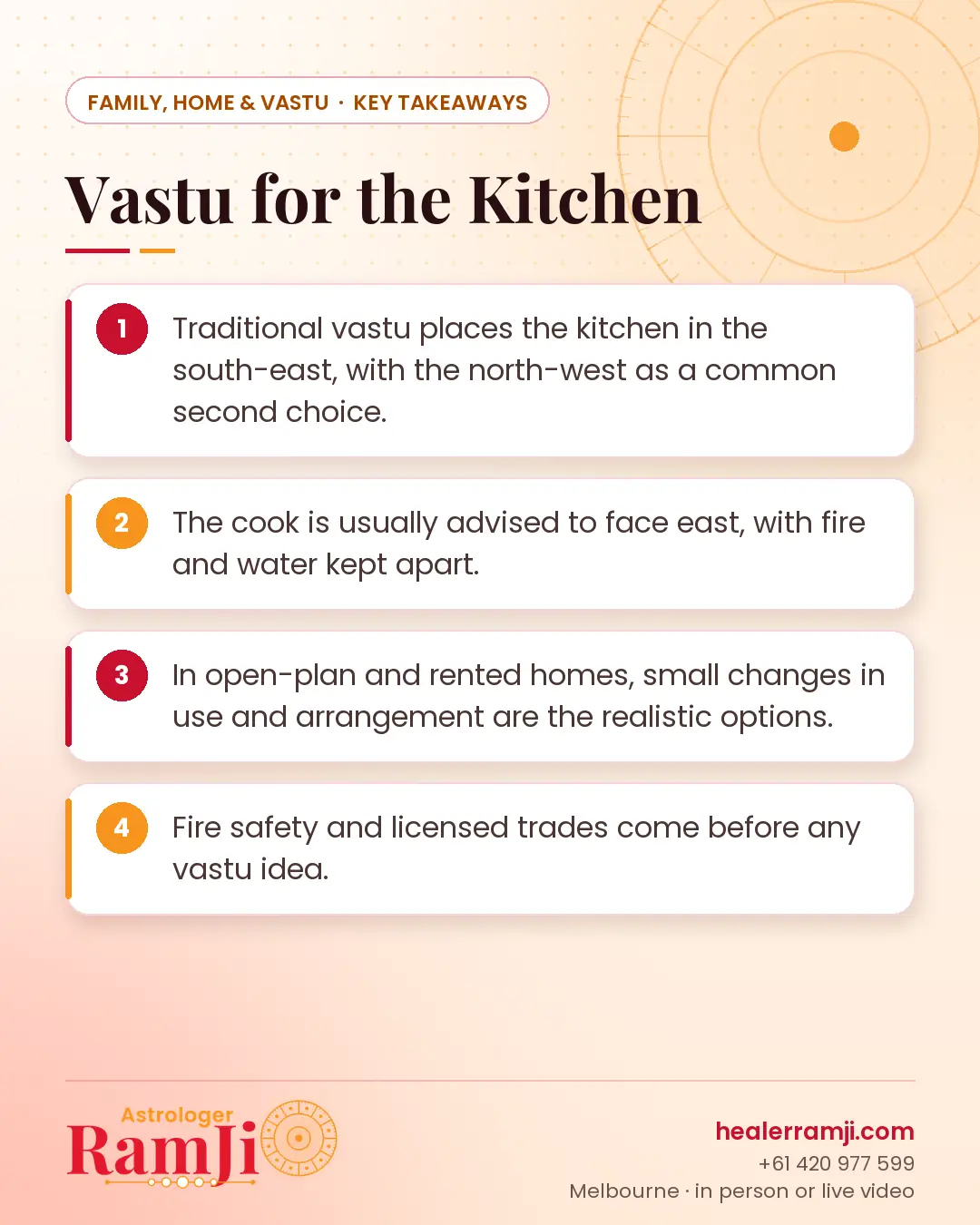
- Traditional vastu places the kitchen in the south-east, with the north-west as a common second choice.
- The cook is usually advised to face east, with fire and water kept apart.
- In open-plan and rented homes, small changes in use and arrangement are the realistic options.
- Fire safety and licensed trades come before any vastu idea.
Why does vastu care about kitchen direction?
Vastu shastra links each direction with a quality and a presiding deity. The south-east is the corner of Agni, the god of fire. Since the kitchen is where fire is used every day, the tradition matches the room to that corner.
The north-east, by contrast, is linked with water, purity and prayer. That is why vastu texts and teachers usually advise against a kitchen there. If you are new to the subject, our short answer on what vastu shastra is covers the basics.
What does the traditional guidance say?
Details vary between teachers, but these points are the most common:
- Location. South-east is preferred. North-west is usually the second choice. North-east is avoided, and many teachers also discourage a kitchen directly in the centre of the home.
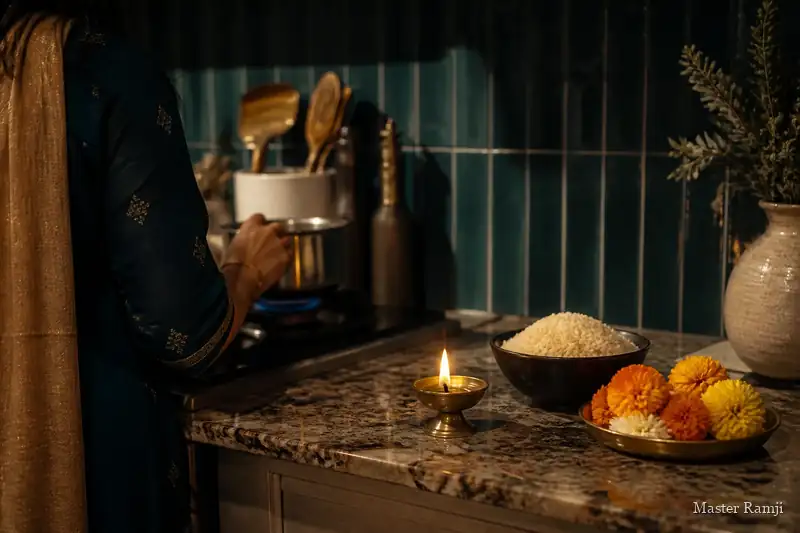
- Cooking direction. The cook faces east, towards the rising sun, while using the stove.
- The stove. It sits in the south-east part of the kitchen itself, even when the kitchen is elsewhere in the house.
- The sink and water. These go towards the north-east part of the kitchen, keeping water away from fire.
- Fire and water apart. The stove and sink shouldn't sit right beside each other or directly face each other.
- Heavy storage. Pantries and tall cupboards go on the south or west walls.
- Light and air. Windows or ventilation towards the east are welcomed.
Some teachers add rules about the kitchen not facing the front door or sitting next to a toilet. Others treat these as less important. Ask any consultant which rules they consider essential and why.
Does the southern hemisphere change this?
Possibly. The texts were written for India, where the sun sits to the south for most of the year. In Melbourne it sits to the north. Some consultants keep the traditional directions, some swap north and south, and some blend the two. Under a swap, the preferred kitchen corner would shift. Our article on whether vastu changes in the southern hemisphere sets out each approach.
Many of the practical ideas below don't depend on which approach you choose.
What if my kitchen is in the "wrong" place?
Most kitchens in Australian homes were placed for plumbing, the block and the builder's floor plan, not for vastu. Moving one is expensive, disruptive and often impossible. Thankfully the tradition offers plenty of gentler options:
- Change how you stand. If your cooktop lets you face east, or close to it, use that position. Some people turn a portable induction plate for the same reason.
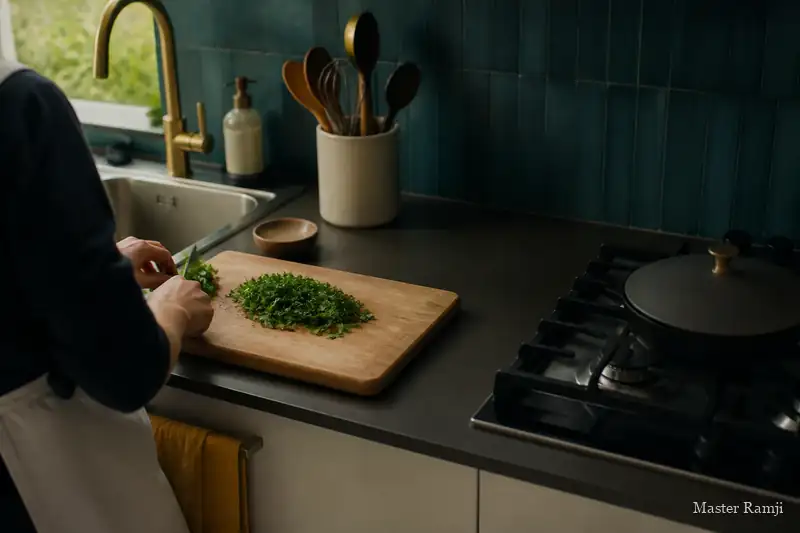
- Separate fire and water. If the sink sits right beside the stove, keep a chopping board, a container of utensils or simply clear bench space between them.
- Keep the north-east part of the kitchen light. Avoid piling heavy appliances or rubbish bins there if you have a choice.
- Use the corners you have. Store heavier items on the south or west sides where possible.
- Keep it clean and bright. Many teachers say a tidy, well-lit kitchen matters more than its compass point.
In an open-plan home, the kitchen can't be treated as a separate room. Treat the cooking zone as the "kitchen" and apply these ideas within it.
What about rentals and apartments?
If you rent, stick to changes you can reverse. Consumer Affairs Victoria explains which changes renters can make without permission and which need the rental provider's consent. Our guide to vastu fixes that work in a rental has more reversible ideas.
Apartments add their own limits, as the kitchen often sits on an internal wall with no window. Good lighting and a working rangehood become even more important. Vastu for a Melbourne apartment looks at fixed layouts in more detail.
What matters more than direction?
Safety, every time. Kitchen fires are a common household risk, and the CFA's kitchen fire safety advice is worth following whichever way your stove faces:
- Stay in the kitchen while you are cooking, or turn the heat off if you have to leave.
- Keep tea towels, paper towels and curtains away from the stove.
- Never put water on burning oil.
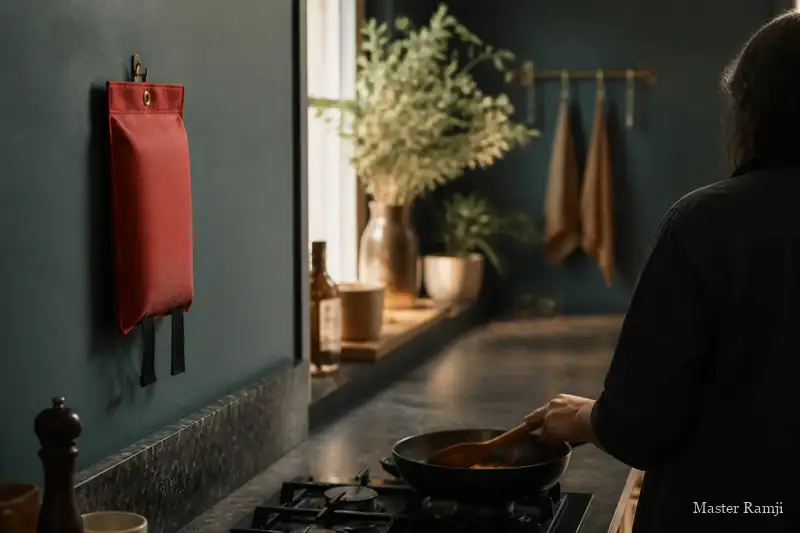
- Keep a fire blanket and extinguisher in the kitchen, near but not right beside the cooking area.
- Clean grease from the stovetop and rangehood regularly.
Never move a gas cooktop, gas line or electrical circuit yourself to suit vastu. That work belongs with a licensed gasfitter or electrician, and may need approval.
What can kitchen vastu not do?
Vastu is a tradition and a belief, not a proven science. Moving your stove can't be shown to improve health, money or family harmony, and a kitchen in the north-east is no reason for alarm. A tidier, brighter, safer kitchen may simply be a nicer place to cook, and that is a fine result on its own.
Be wary of anyone who says your family will suffer unless you rebuild your kitchen or buy special objects.
Want advice for your own home?
A home vastu consultation works from your floor plan and photos and focuses on changes that need no building work. Sessions can be held by phone, WhatsApp or video, and any fee is stated before paid work begins. To ask a question, get in touch.
Related service

Keep reading
Vastu for the Bedroom
Vastu advice on bedroom direction and bed placement, set against real comfort: draughts, windows, ensuites and sleep. Practical, reversible ideas for any home.
Read article →
Setting Up a Home Office With Vastu
Working from home? How to apply vastu to your home office desk direction, find true north in Australia, and balance tradition with glare, calls and comfort.
Read article →
Vastu for a Leased Shop
Vastu for shop layout when you lease: where tradition places the counter and entry, what a lease usually lets you change, and how to plan for make good costs.
Read article →Quick answers
What is vastu shastra?
Vastu shastra is a traditional Hindu system of home and building design based on direction and layout. Here is what it covers and what it can't claim.
Read answer →Can vastu be applied in a rental?
Yes, vastu can be applied in a rental if you stick to reversible changes. Here is what to try first and what Victorian renters should check.
Read answer →Talk to Vijay Ramji
Tell us what you are facing. If a reading is unlikely to help, you will be told that plainly.