
Caring for Ageing Parents From Melbourne

Caring for ageing parents overseas works best with a plan made before a crisis: local contacts, a medicine list, document access and an emergency fund for flights. Agree clear roles with siblings, including the one who lives nearby. Guilt is common and understandable, but care from a distance is still real care.
Many people in Melbourne live with a quiet worry. Their parents are getting older in another country, and every late-night phone call makes the heart jump. You built a life here for good reasons. Still, the distance can feel heaviest when a parent's health starts to change.
This article is about the practical side of caring from far away, how families can share the work fairly, and what to do with the guilt that so often comes with it.
Key takeaways
- A simple plan made before a crisis saves time, money and panic later.
- Siblings can share care fairly without sharing it equally. Name the roles out loud.
- Whether parents visit, move or stay put is a family decision with visa, health and money questions attached.
- Guilt is common. If it turns into constant worry or low mood, talk to your GP.
What should you plan before there's a crisis?
When an emergency happens, you lose hours searching for basic information. A single shared document, kept up to date, can change that. It might hold:
- Names and numbers for your parents' doctor, a trusted neighbour and the nearest relative
- A current list of medicines, conditions and allergies
- Where important papers are kept, such as property, pension and insurance documents
- Who can access their bank accounts if they can't, and how
- Your parents' own wishes about treatment, care and where they want to live
Legal arrangements for decisions, such as a power of attorney, follow the law of the country where your parents live. A local lawyer there can explain the options. Here in Australia, keep your passport current, know how much leave you can take at short notice, and set aside money for an urgent flight if you can.
How do siblings share the work fairly?
Often one sibling, or a cousin, still lives near the parents and quietly carries most of the daily load. Those overseas may send money and feel that settles it. The person nearby may feel unseen. Resentment builds on both sides when nobody says anything.
Fair doesn't have to mean equal. It helps to list the jobs and agree who does each one:
- On the ground: appointments, shopping, visits, emergencies
- Money: who pays for what, and how it is recorded
- Admin: bills, insurance, pensions and paperwork, much of which can be done from Melbourne
- Company: regular calls, so loneliness doesn't fall on one person
- Relief: who flies over, and when, so the nearby sibling gets a break
Hold the conversation on a video call, write down what you agree, and review it every few months. If the talks keep turning into arguments, Relationships Australia Victoria offers counselling for families, as well as family dispute resolution.

What can you actually do from Melbourne?
More than it might seem. Set a regular call time that suits both time zones. If your parents live in India, Melbourne is four and a half hours ahead for part of the year and five and a half during daylight saving. Many families also arrange grocery or pharmacy deliveries in their parents' city, set up a simple phone or tablet with large icons, and keep in touch with a neighbour who can drop in.
If paid help at home becomes necessary, choose carefully. Ask for references, check identification, and make sure someone local visits regularly. Watch for signs that anyone, including a relative, is pressuring your parents over money or property.
Should your parents visit or move here?
Some families bring parents to Melbourne for long stays. Others hope they will move permanently. Both raise questions about visas, health cover, climate, language and loneliness, and about who will look after them while you work.
The Department of Home Affairs sets the rules and conditions for visitor visas, and it is the authority on parent visas too. For advice on your family's situation, speak to a registered migration agent or an immigration lawyer. This page doesn't give visa advice. If a long visit is on the cards, our guide to parents visiting from India for months covers routines, roles and loneliness.
Some parents don't want to leave their home, friends and temple. That is a reasonable choice, and it deserves respect.
What do you do with the guilt?
Many people raised with the idea of duty to parents feel they are failing simply by living abroad. The familiar line from the Taittiriya Upanishad, matru devo bhava, asks us to treat our mother as divine, and it can weigh on a person who isn't there to help.
Duty can take many forms, though. Paying for care, organising support, calling every day and flying over when it matters are all real care. So is looking after your own health and household, so you have something left to give.
Some practical ways to carry it:
- Say the guilt out loud to someone you trust, instead of letting it run in the background.
- Separate what you can change from what you can't, and act on the first list.
- Keep a small prayer or ritual for your parents, if that feels meaningful.
If worry is affecting your sleep, work or mood most days, see your GP. Beyond Blue offers support on 1300 22 4636. If you feel you can't keep yourself safe, call Lifeline on 13 11 14, or 000 in an emergency.
If you are facing a parent's serious illness or death from here, our article on grieving a parent from the other side of the world may help.
Where does a reading fit?
A chart can't make medical, legal or visa decisions, and it shouldn't be used to decide who in the family is right. Some people find a reflective conversation helps them think about roles and timing more calmly. A parent's chart should only be looked at with their knowledge and agreement.
Family harmony guidance looks at tension between generations, including the strain of distance. You might also find spiritual support in hard times useful when the load feels heavy. Sessions can be held by phone, WhatsApp or video, and what you share is confidential. When you're ready, get in touch.
Related service

Keep reading

Vastu for a New Build in Tarneit
Building in Tarneit? When to raise vastu with a volume builder, what to ask for first, and how to get changes in writing before the slab is poured.
Read article →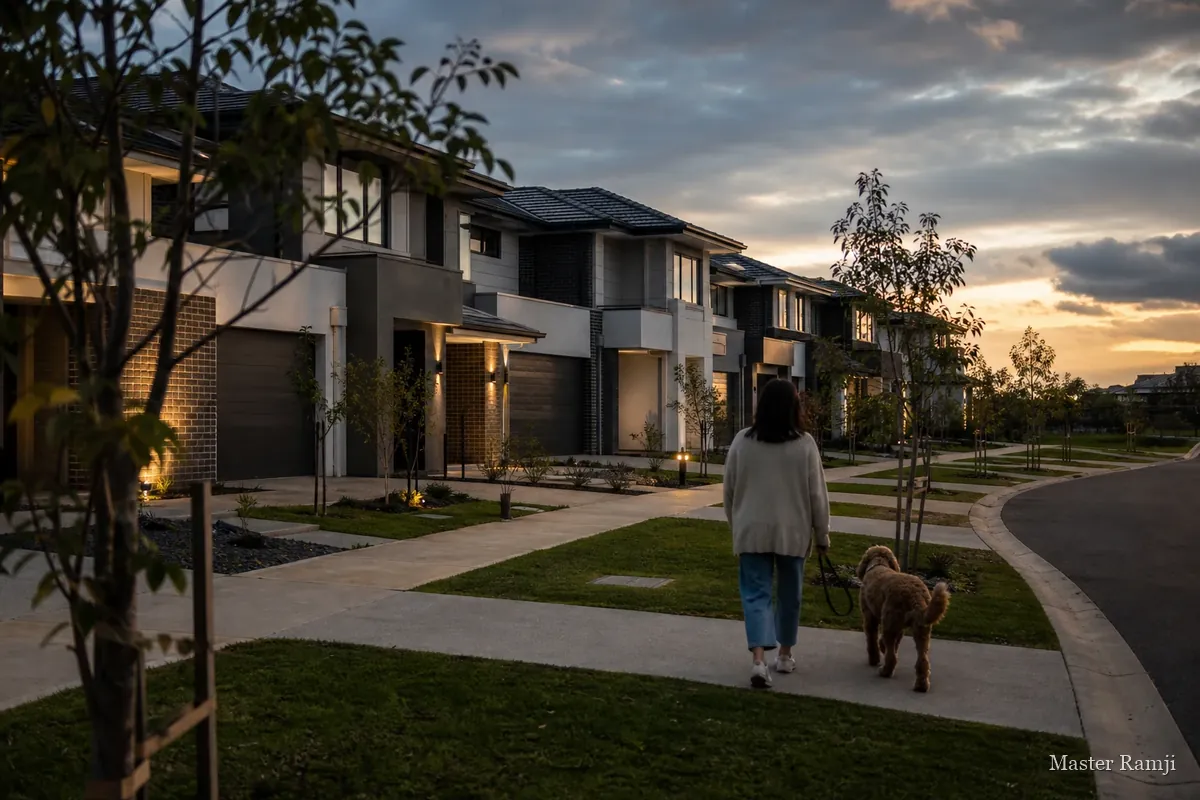
Vastu Questions for New Homes in Craigieburn
Common Craigieburn estate layouts read through vastu: garage-forward fronts, rear kitchens and upstairs bedrooms, and which changes are worth your money.
Read article →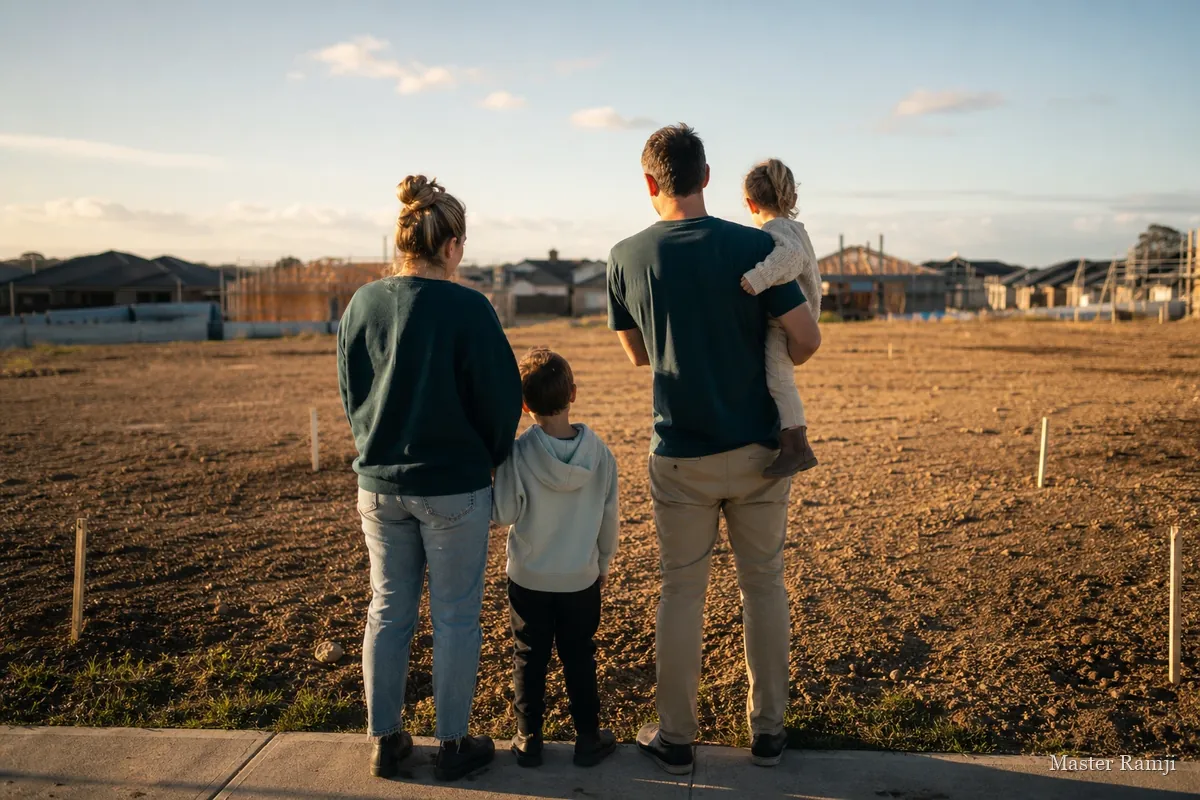
Choosing a Block in Truganina With Vastu in Mind
Buying land in Truganina? How to weigh vastu on an estate plan you cannot change: road-facing direction, lot shape, easements, covenants and floor plan choices.
Read article →Quick answers
What is vastu shastra?
Vastu shastra is a traditional Hindu system of home and building design based on direction and layout. Here is what it covers and what it can't claim.
Read answer →Can vastu be applied in a rental?
Yes, vastu can be applied in a rental if you stick to reversible changes. Here is what to try first and what Victorian renters should check.
Read answer →Talk to Vijay Ramji
Tell us what you are facing. If a reading is unlikely to help, you will be told that plainly.