
Support for Migrant Health Workers in Gippsland
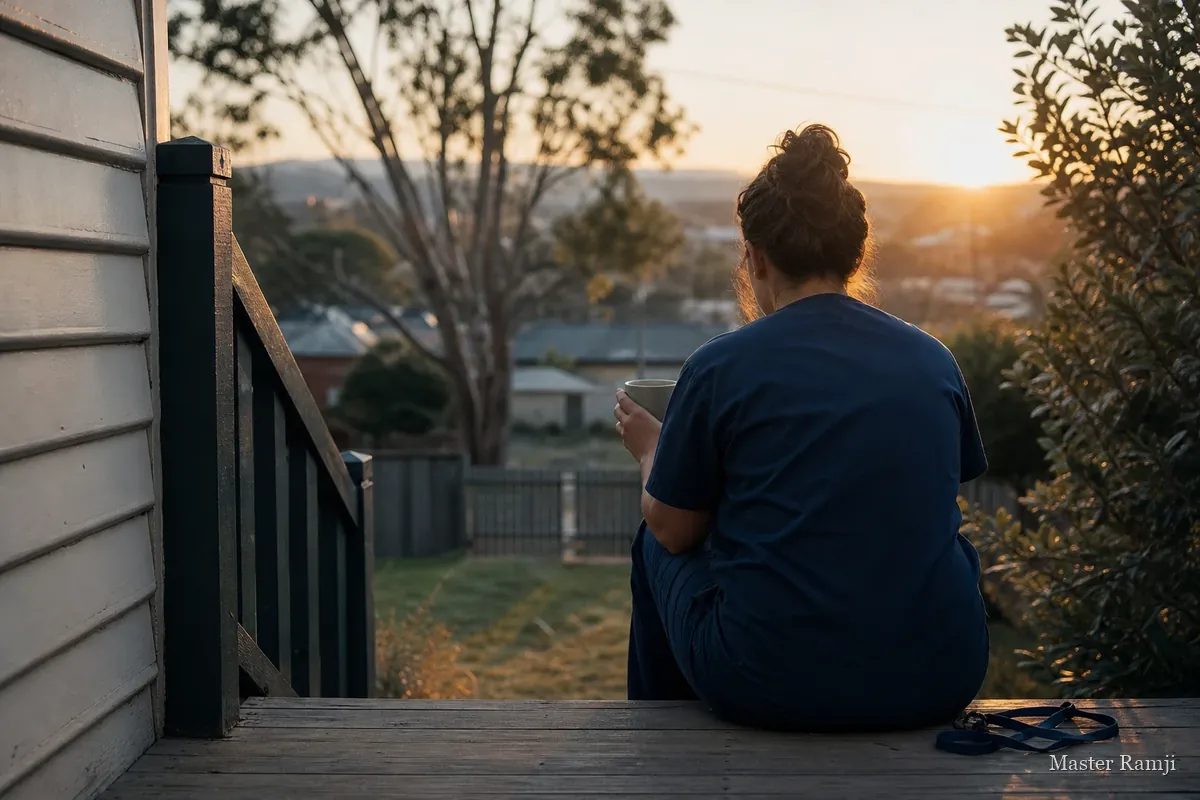
Migrant health workers in Traralgon often juggle rotating rosters, distance from family and the weight of caring work. Protect your sleep, keep one or two fixed routines, and build friendships outside work. Nurses and midwives can call Nurse & Midwife Support, a free 24/7 helpline, and a GP can help if stress persists.
Traralgon is home to Latrobe Regional Health, which runs emergency, mental health, and women's and children's services, and actively invites people to join its team. Add aged care, community health and disability support work across the Latrobe Valley, and you have a lot of people caring for others. Many of them trained overseas, or moved from Melbourne for the work.
If you are one of them, you may be good at looking after patients and less good at looking after yourself. This page is about the stress that comes with health work in a regional city when your family is far away: the rosters, the isolation, and the practical and spiritual habits that can help.
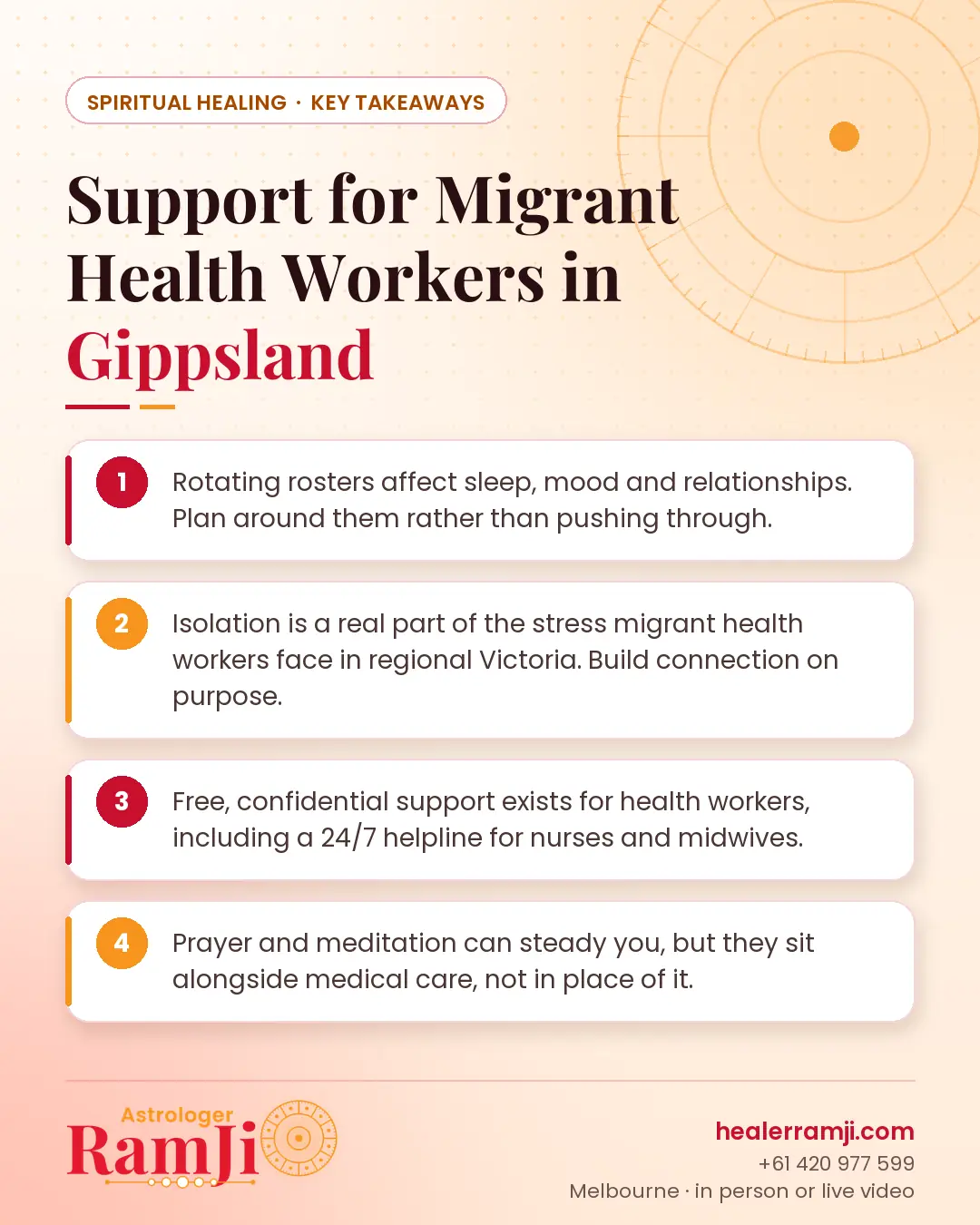
Key takeaways
- Rotating rosters affect sleep, mood and relationships. Plan around them rather than pushing through.
- Isolation is a real part of the stress migrant health workers face in regional Victoria. Build connection on purpose.
- Free, confidential support exists for health workers, including a 24/7 helpline for nurses and midwives.
- Prayer and meditation can steady you, but they sit alongside medical care, not in place of it.
Why can health work far from home feel so heavy?
Caring work asks a lot even in the best conditions. You carry patients' fear and grief through a shift, then go home and carry your own worries too. For migrant workers, those worries often include a visa or registration process, money sent to family, and parents growing older in another country.
There can be quieter pressures as well. You may feel you have to prove yourself twice over, or hide tiredness so no one doubts your skill. You may be the person colleagues ask to swap shifts with because you don't have children here. None of this means you're not coping. It means you're carrying a heavy load, and it's sensible to share some of it.
How do rosters affect your body and mood?
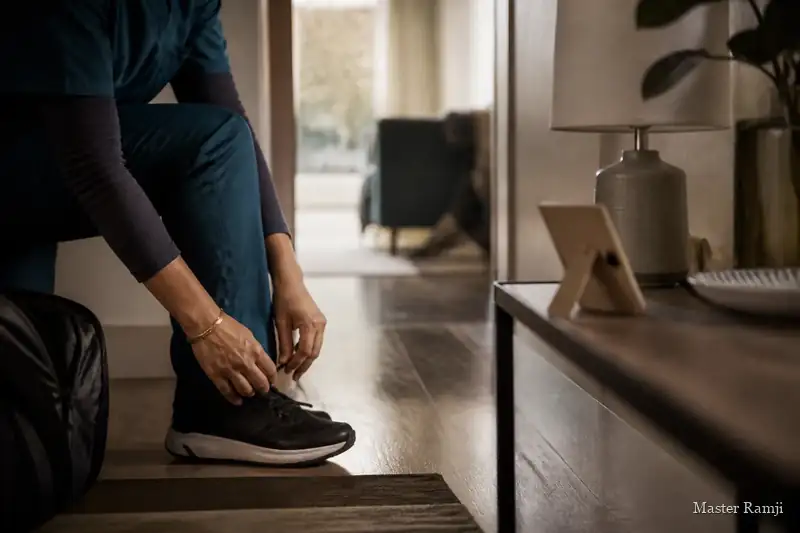
The Better Health Channel lists the effects of shiftwork, including a higher risk of mood changes, stomach problems, family strain and accidents, both on the road and at work. It notes that rotating forward through day, afternoon and night shifts is easier on the body than rotating backwards, and that it takes about 10 days to adjust to night shift.
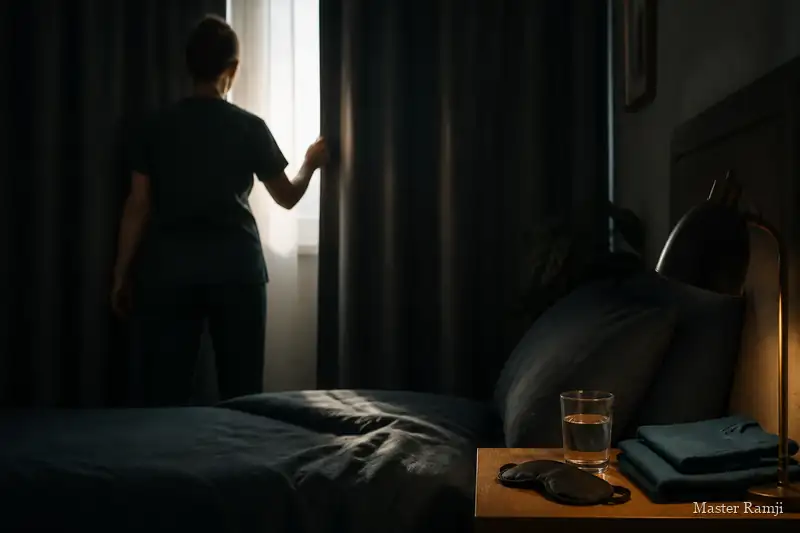
That second point is worth knowing if you have any say in your roster. If you don't, it can at least explain why the first nights of a run feel so hard. The page also warns against overtime during a rotation of 12-hour shifts. If sleepiness is affecting your work or your drive home, talk to your GP.
What helps on a rotating roster?
- Protect your main sleep. Treat it like a shift you can't miss. Tell the people you live with when you're sleeping.
- Keep one fixed anchor. A meal, a prayer or a short walk at the same point in each day, whatever the roster.
- Be careful driving after nights. If you're too drowsy, rest before you drive or arrange another way home.
- Guard your days off. It's fine to say no to an extra shift. Rest is part of doing the job safely.
Our page on fitting spiritual practice around shift work has simple ideas for keeping prayer or mantra going when your days keep changing.
How do you build a life outside the ward?
When everyone you know is a colleague, work never quite switches off. Try to have at least one place each week where nobody talks about patients. That could be a sports team, a language or cultural association, a temple or prayer group, or a hobby class.
Time zones make calls home tricky on a changing roster. Some people set a standing call on their first day off each week, so family know when to expect them. If you live with housemates from the same hospital, plan the occasional outing that has nothing to do with work.
If you've only recently moved, it can take months before a regional town feels like home. That's normal. Our page on feeling unsettled in a new Traralgon home looks at the settling-in side of this.

Where can health workers get confidential support?
There are services set up for exactly this. These are worth saving in your phone:
- Nurse & Midwife Support. Nurse & Midwife Support is a national service for nurses and midwives. Its helpline, 1800 667 877, is free, anonymous and open 24/7. It also has resources for students and graduates.
- Hand-n-Hand peer support. This charity offers free, confidential peer support for health workers, including non-clinical staff, in Australia and New Zealand. You're matched with a trained volunteer from a similar field.
- Your employer. Ask your manager or HR whether you have access to an Employee Assistance Program or staff wellbeing support.
- Your GP. A GP can talk through stress, sleep and mood, and arrange further help if you need it.
If you're feeling overwhelmed or unsafe, call Lifeline at any hour on 13 11 14, or 000 in an emergency.
What about visa and registration worries?
These can sit in the background of every shift. Get information from the right place rather than from rumours in the tearoom. Questions about your professional registration belong with Ahpra or your registration board. Visa questions belong with the Department of Home Affairs or a registered migration agent. No reading or ritual can decide a visa outcome, and you should be wary of anyone who says otherwise.
Where does spiritual support fit?
For many health workers, faith is part of how they get through hard days. A few minutes of prayer before a shift, a mantra after a difficult loss, or a lamp lit on a day off can help you feel steady. Mantra and meditation guidance can help you build a short practice that fits around a roster.
Spiritual support in hard times is a confidential conversation about what you're carrying, with simple practices you can keep doing yourself. It isn't counselling or medical care, and it works best alongside both. Sessions can be held by phone, WhatsApp or video, and appointments are arranged in advance, so they can fit around your shifts.
You can read more about support for people across regional Victoria, or get in touch when you have a moment between rosters.
Related service
Keep reading

Meditation and Mantra on the Surf Coast
Want a steady meditation or mantra practice in Torquay without joining a studio? Simple ways to fit it around surf, seasons and work on the Surf Coast.
Read article →
What to Expect at Your First Energy Healing
Your first energy healing, step by step: how to prepare, what usually happens, what you might feel, what to ask about fees, and what a session cannot do.
Read article →
Energy Healing and Evidence: An Honest View
Does energy healing work? What research reviews actually say about Reiki, touch therapies and distant healing, where the evidence stops, and why we say so.
Read article →More from Regional Victoria

Long-Distance Within Victoria: Warrnambool and Melbourne
Dating between Warrnambool and Melbourne? How to share weekend travel fairly, talk about uneven effort, and keep a regional Victoria relationship steady.
Read article →
Planning a Melbourne Wedding From Wangaratta
Parents in Wangaratta helping plan a Hindu wedding in Melbourne? How to coordinate the priest, the muhurat and the paperwork when you live hours away.
Read article →
Remote Home Cleansing for Western Victoria
Live in Horsham or western Victoria? What a remote home cleansing can and can't do, what you do yourself, and how to keep lamps and flames safe at home.
Read article →Local pages
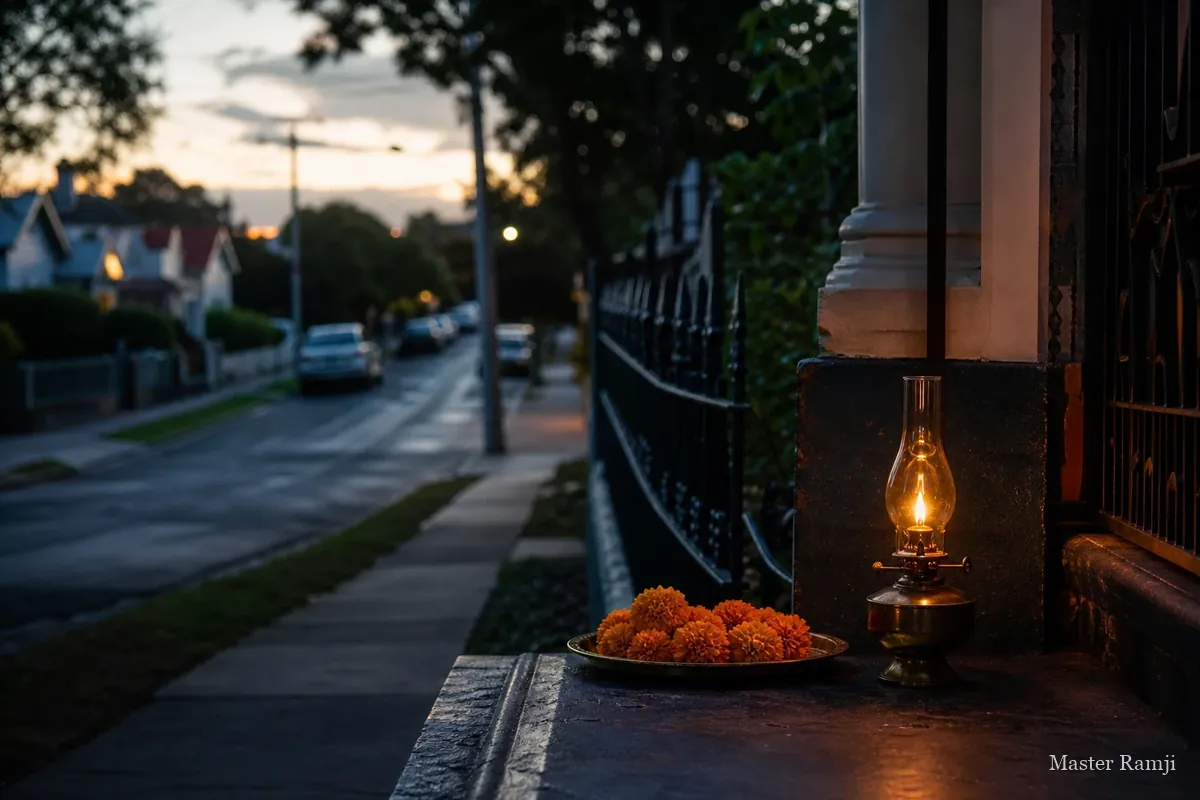
Astrologer for Geelong
For Geelong residents asking about vastu in Armstrong Creek, life after Deakin or worship in a smaller community. Sessions by phone, WhatsApp or video.
View area →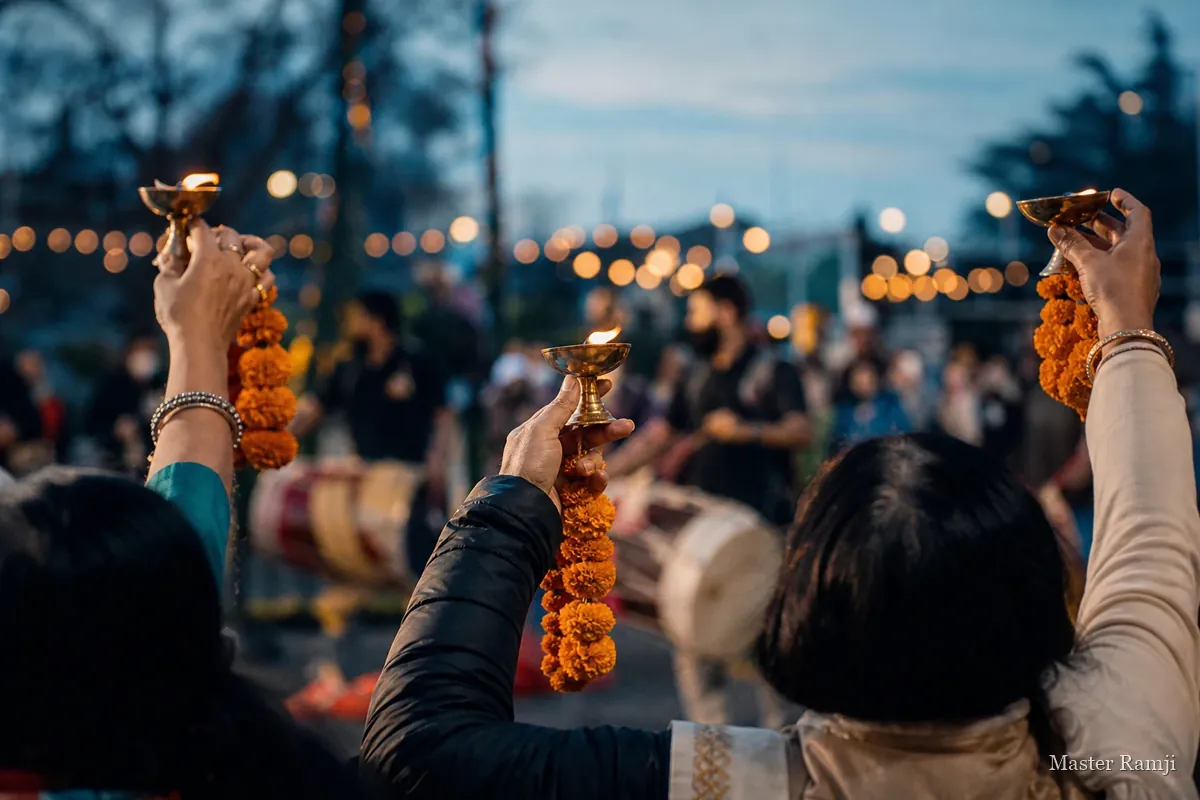
Astrologer for Ballarat
For Hindu families settling in Ballarat: older homes, cold winters and keeping traditions going. Vedic astrology by phone, WhatsApp or video, from Ascot Vale.
View area →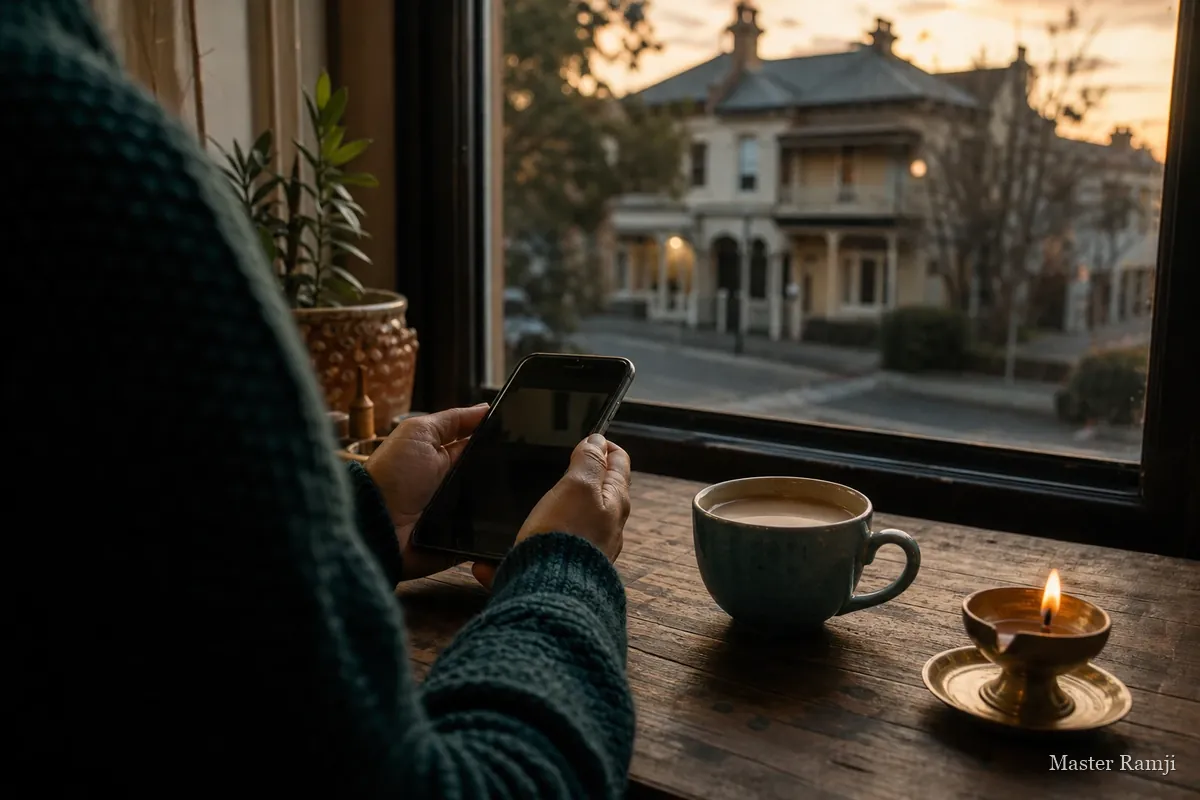
Astrologer for Bendigo
For people in Bendigo far from Melbourne's big temples: finding a match, goldfields homes and home worship. Vedic astrology by phone, WhatsApp or video.
View area →Quick answers
What is energy healing?
Energy healing rests on the belief in a life force that can be guided. Here is what a session involves, and what the evidence does and doesn't show.
Read answer →Can spiritual healing replace a doctor?
Spiritual healing can't replace a doctor or prescribed treatment. Here is how to keep your faith alongside medical care, and which warning signs to watch for.
Read answer →Talk to Vijay Ramji
Tell us what you are facing. If a reading is unlikely to help, you will be told that plainly.