
How to Photograph Your Palm for a Reading
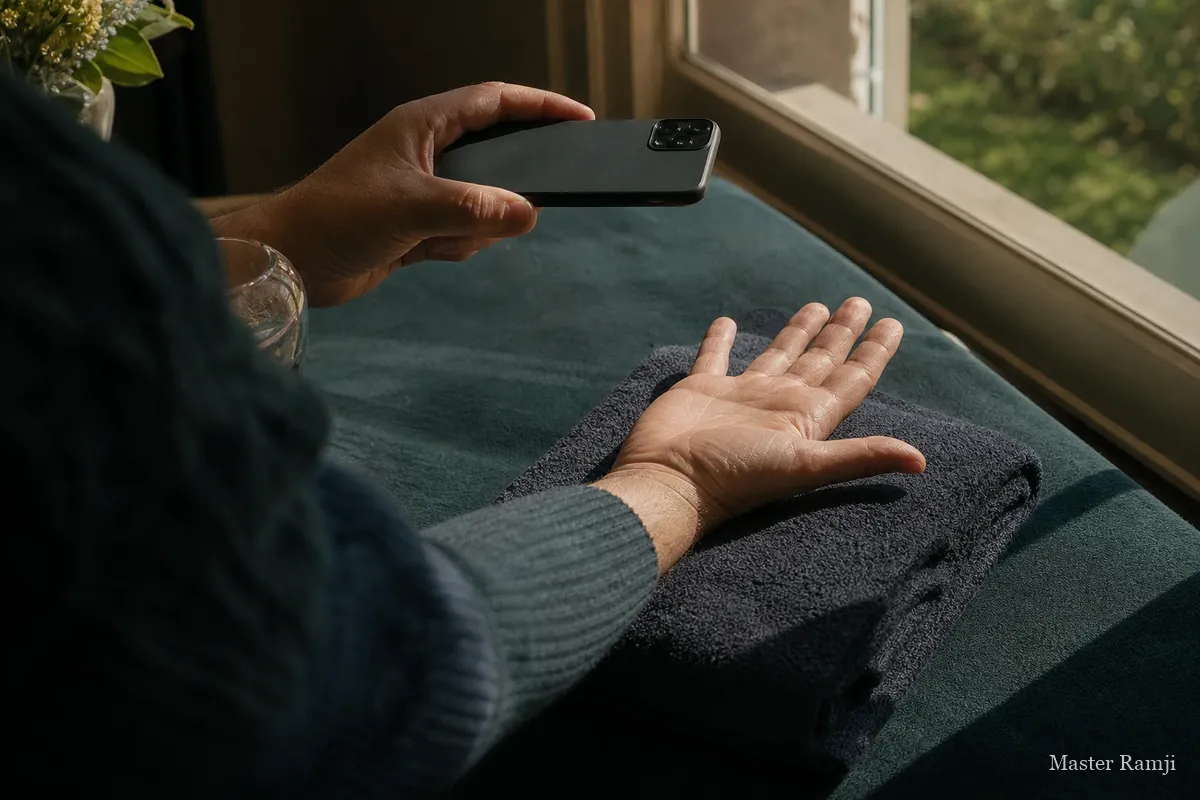
To take a palm photo for a reading, use soft daylight from one side, switch off the flash, and hold the phone directly above your relaxed open hand. Take both palms in full, wrist to fingertips, then close-ups and a side view. Send them privately, and crop out anything personal in the background.
Palm lines are shallow folds in skin. Point a phone at them under a ceiling light and many of them disappear. The hand comes out as a pale, shiny shape and your reader ends up guessing, or asking you to try again.
The good news is that you don't need a special camera or much patience. You need a window, one small change to your phone's settings, and a few minutes. Here is what works and why.
Key takeaways
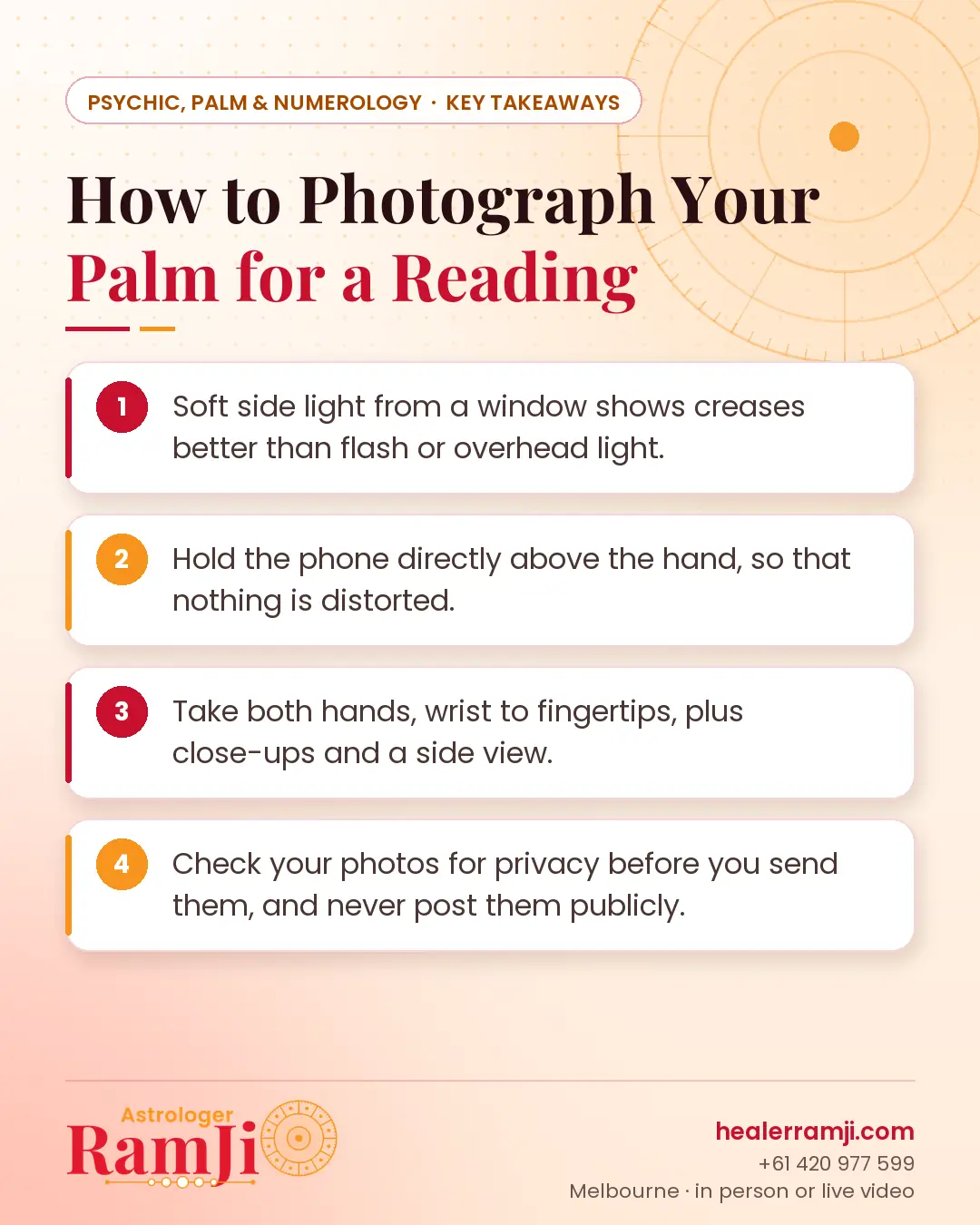
- Soft side light from a window shows creases better than flash or overhead light.
- Hold the phone directly above the hand, so that nothing is distorted.
- Take both hands, wrist to fingertips, plus close-ups and a side view.
- Check your photos for privacy before you send them, and never post them publicly.
What does a reader need to see?
A palm reader generally looks at more than the four best-known lines. A useful set of photos shows:
- The whole hand, from the wrist crease to the fingertips
- The shape of the palm and the length of the fingers
- The depth of the main lines and where they begin and end
- The raised pads under the fingers and at the base of the thumb
- Fine marks at the edge of the palm, under the little finger
If you want to know what those lines are, see our guide to the main palm lines.
What is the best light for a palm photo?
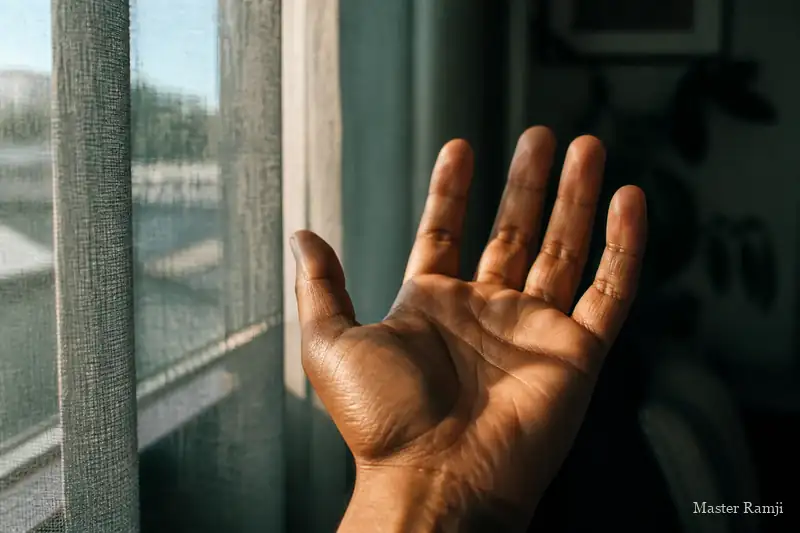
Daylight from a window is hard to beat. Stand or sit beside it, so that the light crosses your palm from one side. Light from an angle casts tiny shadows inside each crease, which is what makes lines visible.
Avoid these:
- Flash. It fires straight at the hand, fills in the creases and adds shine.
- Direct sun. Hard shadows can hide detail and look like lines that aren't there. A bright overcast Melbourne day is ideal.
- Overhead downlights. They often leave the shadow of your phone or hand across your palm.
- Mixed colour light. A warm lamp with cool daylight can turn skin an odd colour.
If it's dark outside, one lamp placed off to the side will work better than the main room light. If you have darker skin, side light matters even more, because it shows the creases through shadow, not colour contrast. Tap your palm on the screen so that the camera exposes for your hand. You can then drag the brightness slider up or down until the lines show clearly.
What angle should you use?
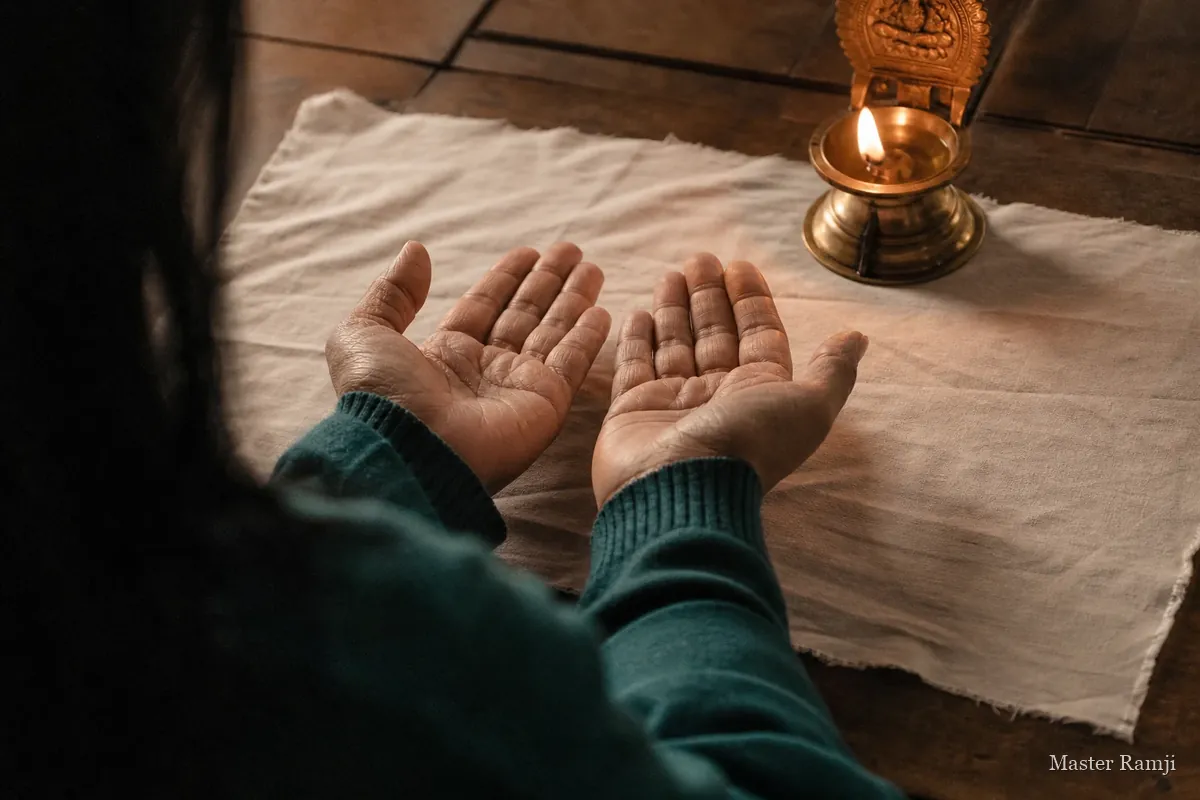
Hold the camera flat and parallel to your palm, directly above the middle of your hand. If the phone tilts, the fingers look shorter or longer than they are, which throws off any comparison of proportions.
It's hard to do this one-handed. These options make it easier:
- Ask someone else to hold the phone.
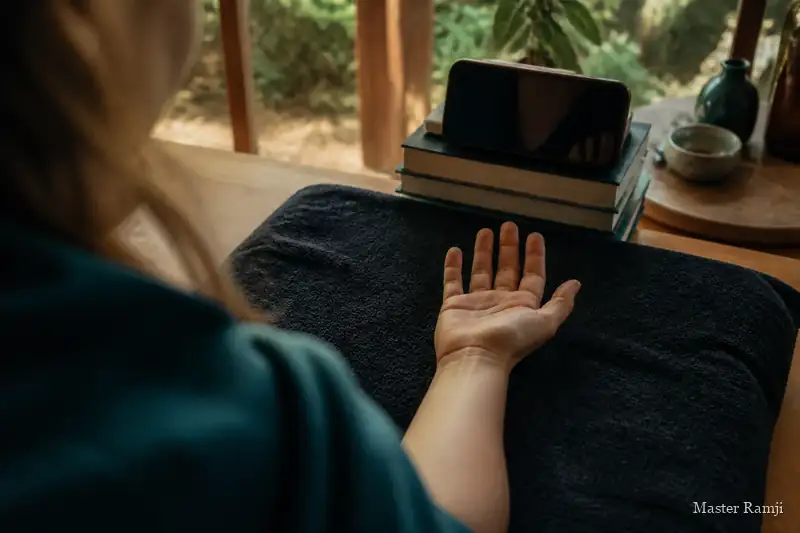
- Prop the phone on a stack of books and use the timer.
- Rest your hand on a plain, dark surface, such as a towel, and hold the phone above it.
Keep your fingers lightly apart and your hand relaxed. Don't stretch your palm flat as hard as you can, because that pulls the fine lines tight and makes them fade. A very slight natural curve shows them best.
Which photos should you take?
Label your files or send them in this order, as it saves a lot of back-and-forth:
- Left palm in full, wrist to fingertips.
- Right palm in full, wrist to fingertips.
- A close-up of the centre of each palm, where the main lines cross.
- A side view of each hand, with your fingers gently curled, to show the mounts and the edge of the palm under the little finger.
- The back of each hand, if your reader asks for it.
Your reader may have a view on which hand matters most, but sending both means you won't have to go back and do it again. Also say which hand you write with.
Which phone settings make a difference?
A few small changes help:
- Use the rear camera. It's usually sharper, and it won't mirror the image and make your left hand look like your right.
- Turn off the flash and any portrait mode. Portrait mode blurs edges, which can blur fingers.
- Tap to focus on your palm. Wait for the image to sharpen before taking the shot.
- Don't use filters or beauty modes. These smooth out the very detail a reader needs.
- Avoid heavy zooming. Move the phone closer or crop afterwards.
- Wipe the lens. A fingerprint on the glass makes everything hazy, and phones get a lot of those.
Messaging apps often compress images. If your reader finds that the lines look soft, you could try sending the photo as a document or file instead.
How should you prepare your hands?
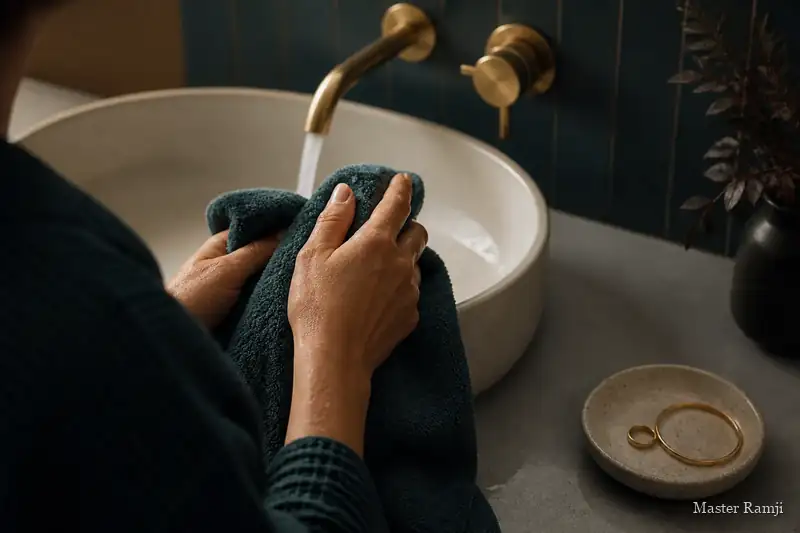
Wash and dry your hands, and leave off the hand cream, as it adds shine. Take off rings and bangles if they come off easily. Fresh mehndi can hide lines, so you may want to wait for it to fade or mention it to your reader. Also mention scars, skin conditions or a recent injury, so they aren't taken for something else.
How do you protect your privacy?
A photo of your hand is still personal information, so treat it with some care:
- Crop out your face, ID cards, bank cards, mail and anything else in the background.
- Bear in mind that photos may hold location data. Check your phone's sharing options if this concerns you.
- Close, sharp photos may show fingerprint detail. Send them directly to the person reading them, and don't post them on social media.
- Only send them to someone whose identity and contact details you have checked. The Office of the Australian Information Commissioner has general guidance on protecting your personal information.
What you share with us for a reading is kept confidential. You should still feel free to ask any reader how they store your images and whether they delete them.
What can a photo not do?
A photo can't show how thick your skin is, how firm your hand is or how it moves, so a good reader will tell you if something isn't clear. And better photos don't make palmistry more certain. It is a tradition and not a proven method, and no reader should predict your death or illness, however sharp the image. If you're new to all this, what to expect at your first reading may help.
Our palm reading service can work from photos sent by phone or WhatsApp, with fees stated before paid work. If you're unsure whether your photos are clear enough, just get in touch.
Related service
Keep reading
Psychic or Astrologer: Which Do You Need?
Psychic or astrologer? A plain guide to how each method works, which questions suit which reading, and when neither is the right place to start.
Read article →
Psychic Reading Red Flags
The psychic scam red flags to take seriously: curse claims, rising fees and pressure tactics. What each looks like, what to say, and what to do if you have paid.
Read article →
What to Expect at Your First Psychic Reading
Booking your first psychic reading? What to expect, how to prepare good questions, and simple habits that help you keep your own judgement before and after.
Read article →Quick answers
Do palm lines change over time?
The main palm creases form before birth and stay largely the same, while fine lines can shift with age and skin. Here is what that does and doesn't mean.
Read answer →What is the difference between a psychic and an astrologer?
An astrologer works from a chart calculated from birth details, while a psychic relies on intuition. Here is how that changes what each reading can offer.
Read answer →Talk to Vijay Ramji
Tell us what you are facing. If a reading is unlikely to help, you will be told that plainly.