
Separated and Still Sharing Kids in Narre Warren
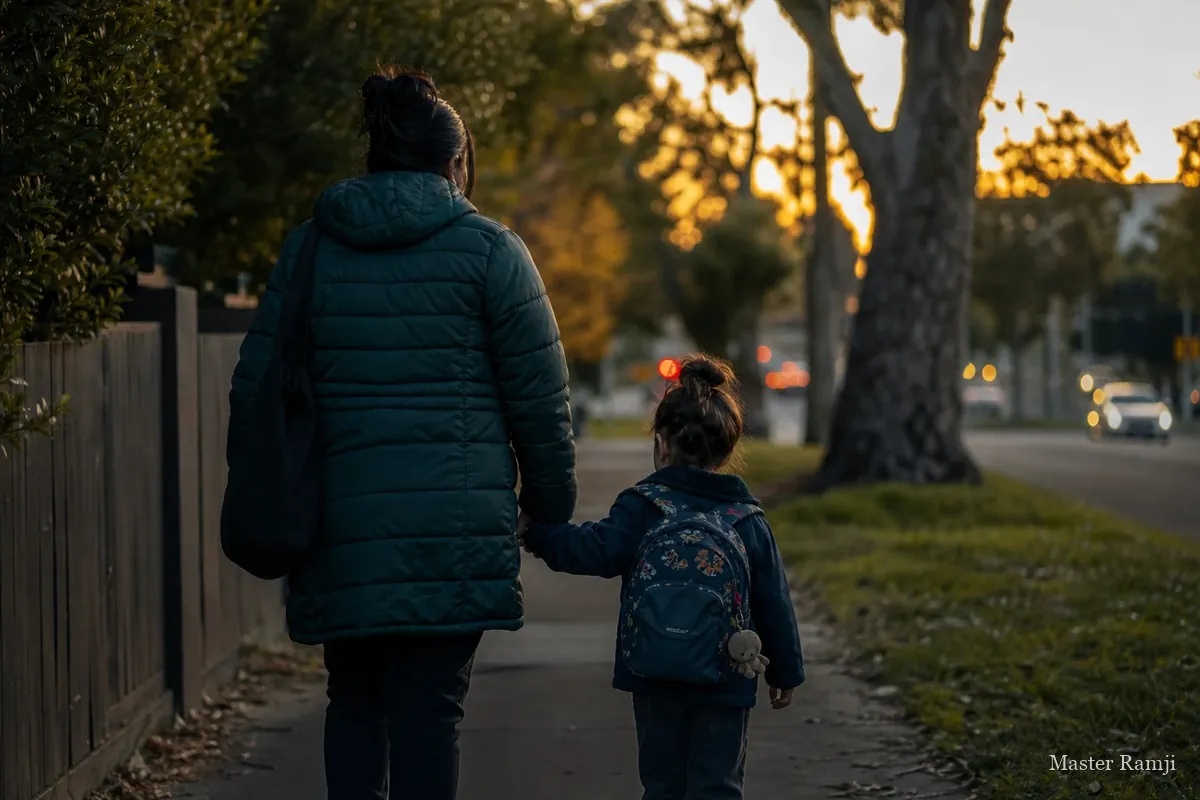
Co-parenting after separation works best when children's safety and wellbeing come first. In Narre Warren, Better Place Australia on Victor Crescent offers parenting after separation programs and family dispute resolution. Get legal advice from Victoria Legal Aid before signing anything. Spiritual guidance can steady you, but it is never a substitute for legal or safety help.
Separating is hard. Separating when you still share children is harder, because the relationship doesn't end. It changes shape. You may still see your former partner at school pick-up, swap the kids in a shopping centre car park, or text about footy training and dentist appointments.
This page is for parents in Narre Warren and the wider City of Casey who are working out how to stay steady while sharing care. It covers where to get real help nearby, what children need most, and where a spiritual practice can and cannot help.
Key takeaways
- Children's safety and wellbeing come before every other question, including who is right.
- Narre Warren has local services for separated families. Use them early, not only when things break down.
- Get legal advice before you sign any parenting agreement. This page is not legal advice.
- Prayer and reflection can calm you, but they don't replace mediation, legal help or safety planning.
What do children need most after their parents separate?
Children rarely need perfect parents. They need to feel safe, and they need to know that the separation is not their fault. Most of all, they need to be kept out of the middle.
In practice, that can look like:
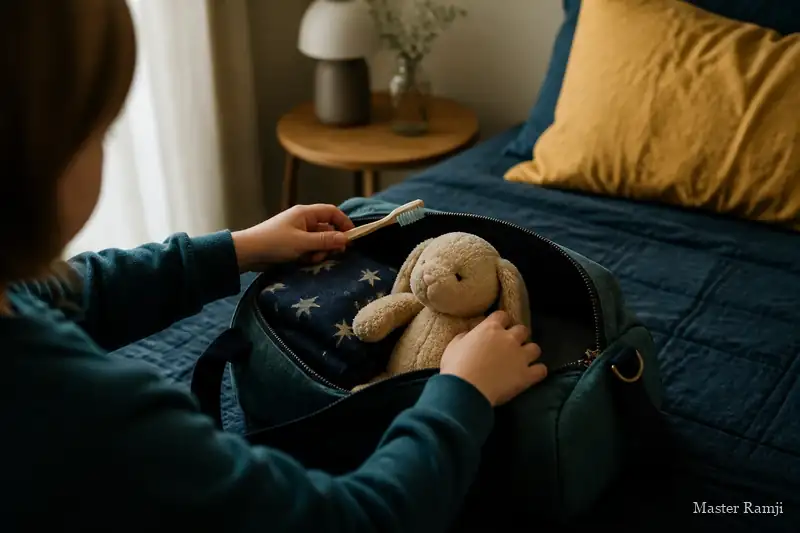
- Predictable routines. The same bedtime, school routine and changeover days, written down where everyone can see them.
- No messages through the kids. Children shouldn't carry notes, money or complaints between homes.
- No running down the other parent. Even a small comment can feel to a child like criticism of half of who they are.
- Room for their feelings. A child may be angry, quiet or clingy. Let them say so without having to take a side.
Older children and teenagers may want to talk to someone outside the family. Kids Helpline is free and open at all hours for young people aged 5 to 25 on 1800 55 1800.
What if you are worried about safety?
Safety comes first, always. If you or your children are in danger right now, call 000. If you are worried about family violence, controlling behaviour or threats, 1800RESPECT on 1800 737 732 can talk it through with you and help you plan. You don't need to be sure it "counts" before you call.
A spiritual reading is not the right tool for a safety question. No chart, ritual or remedy can tell you whether a person is safe to be around. Trust what you see and hear, and talk to people trained in this work.
Where can separated parents in Narre Warren find help?
You don't have to cross the city to find support. Better Place Australia's Narre Warren centre on Victor Crescent lists a children's contact service for separated parents, a Parenting After Separation program, child inclusive mediation, family dispute resolution and counselling. Check with them directly about costs and waiting times, as these can change.
Other places to start:
- Victoria Legal Aid. Its Family Dispute Resolution Service is a free mediation service for eligible families. It says children's best interests are the most important factor, and that it only books a session if it is safe to do so. Eligibility rules apply, so ask before you count on it.
- The Family Relationship Advice Line. This national phone service, part of the Australian Government's Family Relationships Online, gives information and referrals to separating families. Victoria Legal Aid's separation pages list its contact details.
- Your GP. If you are not sleeping, not eating or feeling hopeless, a GP can help and can refer you to a counsellor.

Parenting plan or court orders: what's the difference?
This is a legal question, so treat what follows as a starting point only. Victoria Legal Aid's page on agreeing on parenting arrangements explains that a parenting plan is a signed written agreement that is not legally enforceable, while consent orders are approved by the court and can be enforced. It also suggests getting legal advice before you sign.
Which option suits your family depends on your situation, and only a lawyer can advise you on that. An astrologer, a priest or a relative should not be the person who tells you what to sign.
How do you stay steady when every handover feels tense?
A lot of the strain sits in small moments: the text that lands while you're at work, the late changeover, the comment at the door. A few habits can take some heat out of them.
- Keep messages short and about the children. Times, places, school notes. Leave the past out of it.
- Wait before you reply. If a message makes your heart race, give it an hour unless it is urgent.
- Plan the handover. A neutral, public place and a set time can make a hard moment shorter. If changeovers feel unsafe, a children's contact service exists for exactly this.
- Have one person you can call afterwards. A friend, a sibling, a counsellor. Not your child.
Where does a spiritual practice fit?
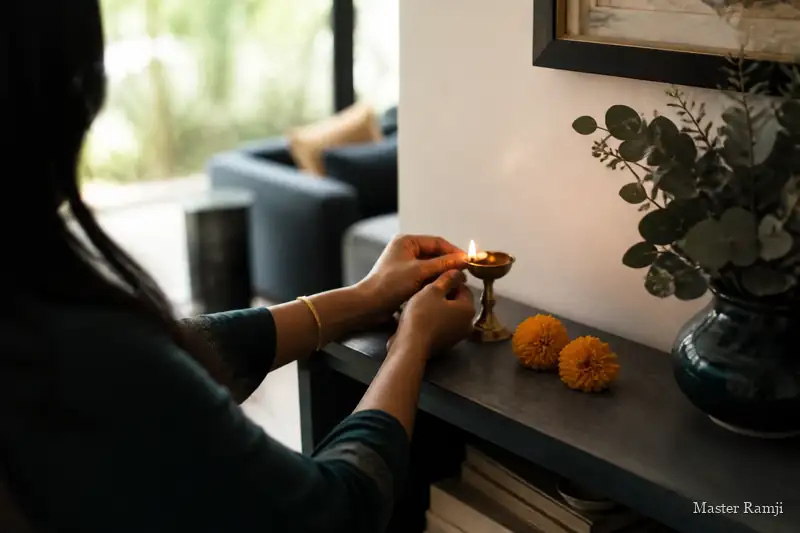
For many Hindu families, faith is part of how they get through hard seasons. A short prayer before a handover, lighting a lamp on the evenings the house feels quiet, or a few minutes of mantra and meditation practice can help some parents stay calmer. That calm helps children too.
What a practice can't do is fix a legal dispute, change another person's mind or make a situation safe. Be cautious of anyone who offers a ritual to win custody or to "bring the family back". That kind of promise preys on people at their lowest.
Can astrology help after a separation?
Astrology is a tradition of reflection, not a science, and it can't predict court outcomes or how your former partner will behave. Some parents still find it useful to look at their own chart as a way of thinking about the year ahead, their patterns, and how they want to rebuild.
A breakup clarity session looks at your own situation and your own chart. An ethical reader won't read your former partner's chart without their consent, and won't use your children's charts to take sides. If you are early in the process, our guide to the first month after a breakup may help with the emotional side. If wider family pressure is adding to the strain, family harmony guidance looks at how to keep relatives from pulling the children in.
How can you talk to Vijay Ramji?
Appointments are arranged in advance, and sessions can be held by phone, WhatsApp or video. What you share stays confidential, and fees are stated before any paid work. A session sits alongside legal advice, mediation and counselling. It never replaces them.
You can read about our work in Melbourne's south-east, or get in touch when you're ready.
Related service

Keep reading
Love and Family Pressure From Shepparton
Facing family pressure about who you love while living in Shepparton? Why it can feel lonelier in a regional city, and where to find confidential support.
Read article →
Airport Goodbyes at Tullamarine: Long-Distance Reality
The drive home from Tullamarine after a long-distance visit can hurt. Ways to handle the farewell, the first week after, and when to look for more support.
Read article →
Long-Distance Within Victoria: Warrnambool and Melbourne
Dating between Warrnambool and Melbourne? How to share weekend travel fairly, talk about uneven effort, and keep a regional Victoria relationship steady.
Read article →More from Melbourne's South-East
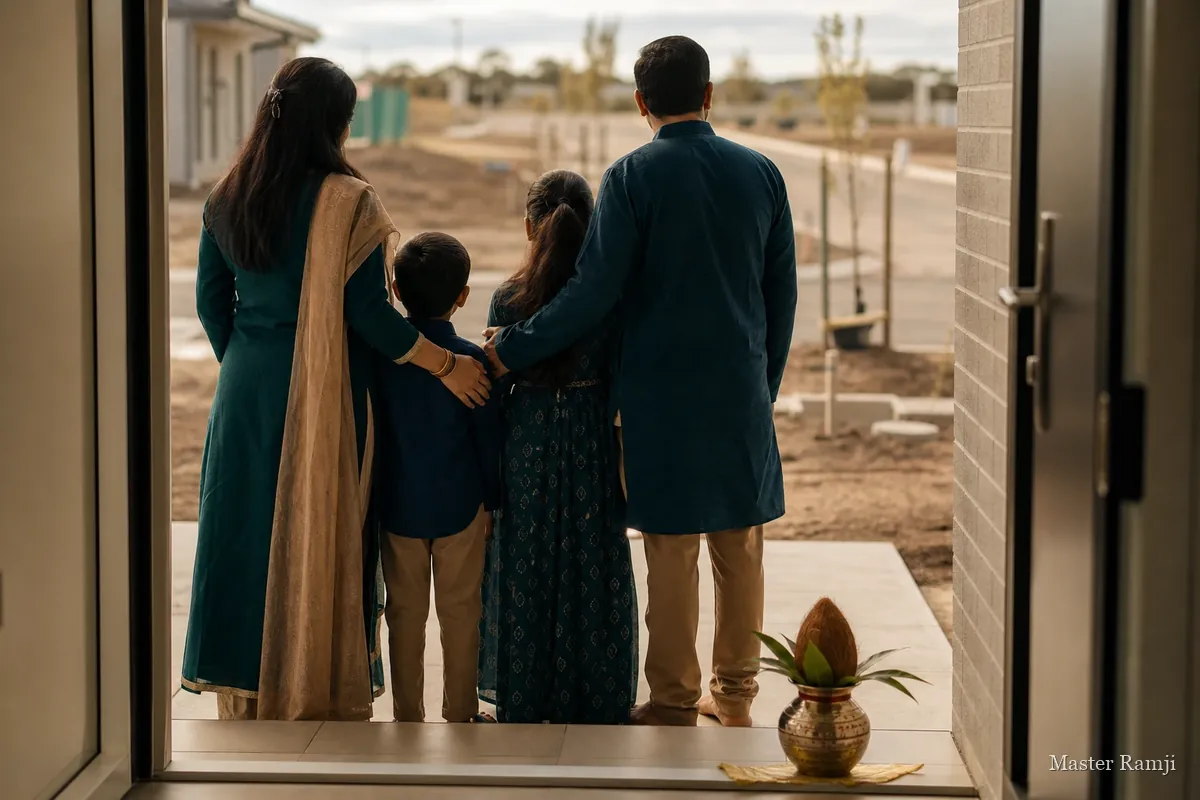
Planning a Griha Pravesh for Your New Clyde Home
Moving into a new Clyde home? How to set a griha pravesh date when handover keeps shifting, book a priest early, and share the work out on the day.
Read article →
Bad Luck Since Moving to Pakenham? Check These First
Things going wrong since you moved to Pakenham? Check money, health, sleep, commute and home safety first, then consider calm spiritual steps if you wish.
Read article →
Returning to Work From Officer After Parental Leave
Heading back to work after parental leave from Officer? Check your workplace rights, plan the commute and childcare, then see where career timing fits.
Read article →Local pages

Astrologer for Dandenong
For Dandenong traders and new arrivals: shop timing, vastu for premises, and how to check any spiritual adviser. Sessions by phone, WhatsApp or video.
View area →
Astrologer for Clayton
For Clayton students and graduates dealing with family pressure, relationships and first jobs. Vedic astrology by phone, WhatsApp or video, from Ascot Vale.
View area →Quick answers
Should I get a reading right after a breakup?
Often it helps to wait before getting a reading after a breakup. Here is why, what to try first, and how to tell when you are ready for one.
Read answer →Can astrology bring my ex back?
No, astrology can't make your ex come back, and nobody can honestly promise it. Here is what a reading can help with, and how to avoid costly promises.
Read answer →Talk to Vijay Ramji
Tell us what you are facing. If a reading is unlikely to help, you will be told that plainly.