
A Guide for Parents of an Intercaste Couple
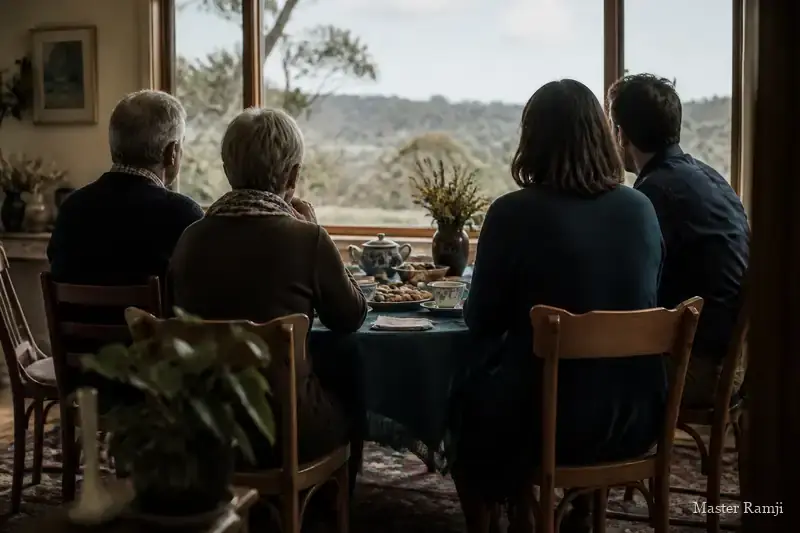
Good advice for parents facing an intercaste marriage starts with separating your own worries from your child's choice. Name what you actually fear, listen before you decide, and talk to someone you trust. Your adult child has the right to choose their partner, and a chart cannot forbid a marriage.
Most writing about intercaste marriage is aimed at the couple. This one is for you, the parent. Perhaps your son or daughter has just told you about someone from a different caste or community. Perhaps you have known for a while and still feel unsettled. You may love your child deeply and also feel worry, grief or embarrassment. Those feelings can sit side by side.
This guide offers some steady ground for the weeks and months ahead.
Key takeaways
- Your feelings are real, but they are yours to work through. They are not a reason to control your child's choice.
- Try to name your specific worries. Vague fear is harder to talk about than a clear concern.
- Listening first usually protects the relationship better than deciding first.
- No ethical astrologer should tell you a chart forbids a marriage because of caste.
Why does this news hit parents so hard?
For many families, marriage is not just about two people. It connects relatives, customs, language and a sense of who "we" are. If you grew up expecting your children to marry within the community, the news can feel like a loss, even if nothing has been lost yet.
Living in Australia can add to this. You may already feel your children are drifting from the language or rituals you brought with you. A marriage outside the community can seem like one more step away. Relatives overseas may also have strong opinions, and you may feel caught between them and your child.
It helps to let yourself feel this without acting on it straight away. Sadness is not the same as a decision.
What exactly are you worried about?
Try writing down your worries one by one. Common ones include:
- What relatives and the community will say. This is often the loudest worry, and it is about other people, not your child.
- Losing traditions. Will festivals, food, prayers or language carry on in their home?
- The wedding itself. Whose rituals? Whose priest? How will two families share one day?
- Grandchildren. How will they be raised, and will they know your side of the family?
- Your child's happiness. Will differences cause conflict later?
Once you can see the list, you may notice that some worries can be talked about and even solved. Others are about status or habit, and may soften with time. Very few are about the partner as a person.

How can you talk to your child without pushing them away?
The first conversation often sets the tone for years. Some approaches that tend to help:
- Ask before you tell. How did they meet? What do they value in this person? What are their plans?
- Share one worry at a time. "I worry about Diwali at your house" is easier to discuss than a long list of objections.
- Avoid ultimatums. "Him or us" rarely ends the relationship. More often it ends your place in it.
- Take a break if it gets heated. Say you need time to think, and agree when you will talk again.
- Meet the partner. Many parents find their worries ease once the person becomes real rather than a category.
What role can tradition and astrology play?
Many families want to check horoscopes before a marriage, and that can be done respectfully if both partners agree to share their birth details. A Guna Milan comparison looks at traditional compatibility factors. Some older matching systems include factors rooted in social categories, such as Varna. These can be understood as historical parts of a tradition. They say nothing about a person's worth.
Please be cautious if a reader says a chart forbids the marriage because of caste, that disaster will follow, or that a ritual is needed to make a partner "acceptable". That is not honest guidance. A chart can offer reflection and possibly timing for a ceremony. It has no authority over who your child marries, and it cannot predict whether a marriage will be happy.

Where can traditions be kept?
Many couples are happy to include family customs when they feel welcomed rather than pressured. You might offer to explain the meaning of certain rituals, help find a priest who is comfortable with mixed families, or share family recipes and festival practices. Our article on blending two traditions in one wedding looks at how ceremonies can include both sides with respect.
The key is offering, not demanding. Traditions passed on with warmth are more likely to last than ones imposed as conditions.
What if you still can't accept it?
Some parents need a long time. That is understandable. What matters is how you behave while you are still working through it. You can say "I need time" without cutting contact. You can stay polite to the partner even while you feel unsure.
Talking to someone outside the family often helps. A trusted friend, a religious elder you respect, or a counsellor can give you room to say things you can't say to your child. Relationships Australia Victoria offers counselling for families, and you can go on your own.
If you are also helping with the practical side of a match, how parents can support matchmaking without taking over covers where a parent's role begins and ends.
Where is the line?
Disagreement is part of family life. Pressure that removes choice is different. Taking a child's passport or phone, threatening harm, cutting off money to force a decision, or arranging a marriage to someone else against their wishes all cross a serious line. Forced marriage is a crime in Australia. My Blue Sky gives free and confidential legal advice on forced marriage, and 1800RESPECT is on 1800 737 732.
If other relatives are applying that kind of pressure, you may be the person best placed to protect your child from it.
Can a conversation with an astrologer help?
For some families, an astrologer is a trusted voice, and speaking with one can feel easier than seeing a counsellor. Intercaste and interfaith marriage guidance gives parents a calm place to talk through worries, plan conversations and think about ceremonies. No caste or faith is judged, and the guidance cannot make anyone agree or change their mind. Any fee is stated before paid work begins, what you share is confidential, and sessions can be held by phone, WhatsApp or video. When you are ready, get in touch.
Related service
Keep reading
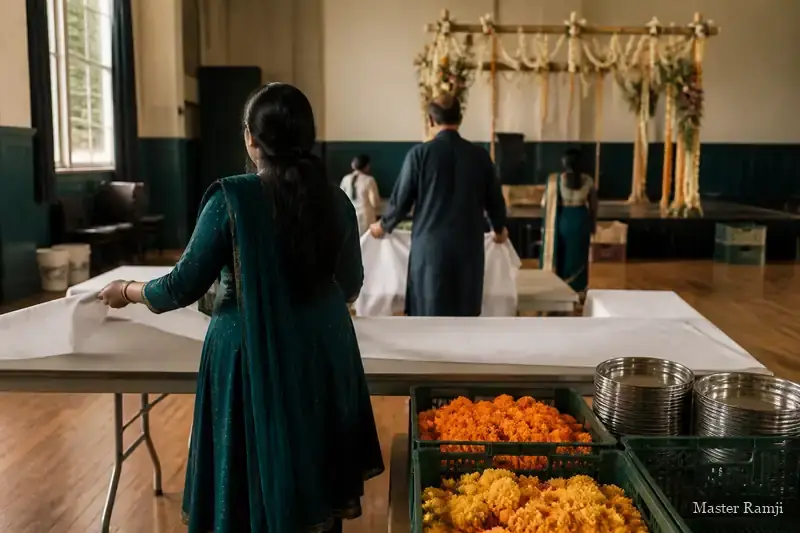
Blending Rituals in an Interfaith Wedding
Planning an interfaith wedding with Hindu rituals? Ways to combine two traditions with respect, what to ask each officiant, and the legal steps in Victoria.
Read article →
Marriage Counselling and Astrology Together
Marriage counselling and astrology do different jobs. When counselling should come first, what a reading can add, and how to use both without mixing them up.
Read article →
Living With In-Law Tension
In-law tension in a shared home often comes down to unclear boundaries. Practical ways to set them as a couple, words to use, and when it becomes abuse.
Read article →Quick answers
What is Mangal dosha?
Mangal dosha is a traditional marriage concern linked to the placement of Mars in a birth chart. Here is what it means and why it is rarely a reason to panic.
Read answer →What is Guna Milan?
Guna Milan is a traditional 36-point comparison of two people for marriage. See the eight factors it scores, what it leaves out, and how to read the result.
Read answer →Talk to Vijay Ramji
Tell us what you are facing. If a reading is unlikely to help, you will be told that plainly.