
Buying a Gemstone Locally: Questions for the Jeweller
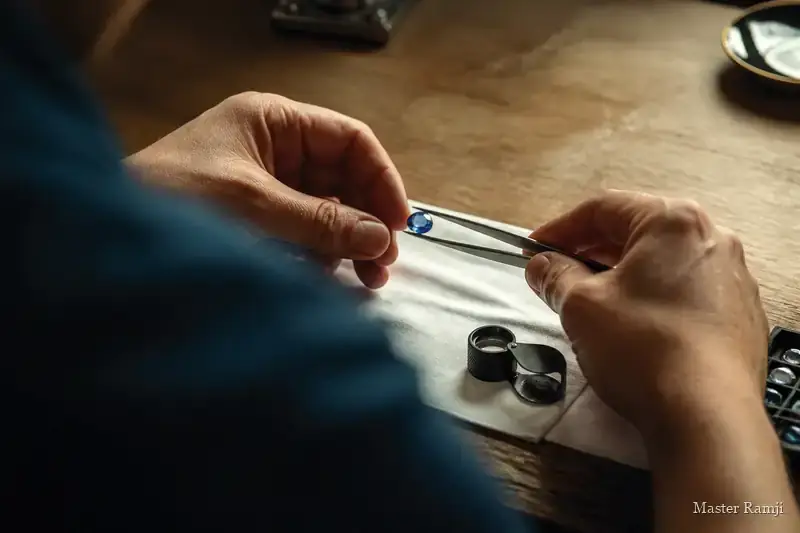
To buy an astrology gemstone in Werribee or anywhere in Melbourne, ask the jeweller in writing what the stone is, whether it's treated, its carat weight and who issued any lab report. Keep the receipt. Walk away from pressure, vague certificates, or claims that a stone will bring luck or health.
You've been told a particular stone suits your chart, and now you're standing at a jewellery counter. The stones look alike, the prices don't, and the person behind the counter knows far more than you do. That gap is where most buying mistakes happen.
This page is a practical list of questions to ask a jeweller before you hand over money, and the answers that should send you home to think. It doesn't recommend any shop, and it won't tell you a stone will change your life. It will help you buy what you think you're buying.
Key takeaways
- Get the stone's identity, treatment and weight written on the receipt.
- "Certified" means little until you know who certified it and whether they're independent of the seller.
- Your consumer rights in Victoria apply to gemstones like any other product.
- Walk away from pressure, or from any claim that a stone will bring luck, money or health.
Why buy locally in Werribee?
Victorian Places describes Werribee as sitting on the Werribee River, about 27 km south-west of central Melbourne in a straight line (a little over 30 km by road), with a strip shopping centre near the railway station. Buying close to home has real advantages. You can see a stone in daylight, go back with questions, and return if something isn't right without posting anything interstate or overseas.
It also lets you take your time. If you're comparing a gemstone shop in Melbourne's CBD with one closer to home, there's no reason to decide on the first visit. A good jeweller expects you to look around.
What should you ask about the stone itself?
Start with the basics, and ask for each answer in writing:
- Is it natural, lab-grown or an imitation? Lab-grown stones have the same chemistry as natural ones but are made in a laboratory. Imitations, such as glass, only look similar. All three are legitimate to sell if they're described honestly.
- Has it been treated? Many coloured stones are treated to improve colour or clarity. The GIA ruby buying guide advises buyers to assume a ruby has been heated, notes that some rubies have fractures filled with lead glass, and says diffused or glass-filled stones are worth less than heated ones. It also suggests asking for treatment information in writing.
- What is the carat weight? Astrology recommendations sometimes mention a weight. Make sure the weight is for the loose stone, not the stone plus setting.
- Where does it come from? Origin can affect price. If the seller claims a particular origin, ask how they know.
What does "certified" actually mean?
On its own, not much. A certificate printed by the shop is a description by the seller, not an independent check. A report from an independent gem laboratory is more useful, but only if:
- you can confirm the laboratory exists and is separate from the shop
- the report number can be checked with that laboratory
- the weight, measurements and description match the stone in front of you
So when a stone is sold as a certified gemstone, whether here in Australia or online from overseas, ask who certified it, when, and how you can check. For more on paperwork and pricing, see buying a gemstone: certificates and fair prices.
How do you judge an astrology gemstone price?
There's no fixed price for a "Saturn stone" or a "Jupiter stone". Two stones of the same type and weight can differ enormously in value because of colour, clarity, cut, treatment and origin. That makes it easy for anyone to overcharge, and hard for you to tell.
A few habits help:
- Compare prices for similar stones, with similar treatment, at more than one shop.
- Ask what the price would be without any astrological description. The stone is worth the same either way.
- Ask whether anyone, such as the person who recommended the stone, receives a commission from the sale.
- Set your own limit before you walk in, and stick to it.
What are your rights if something goes wrong?
Consumer Affairs Victoria explains that products bought from an Australian business come with automatic consumer protections, regardless of any other warranty. They must match their description, be of acceptable quality and be fit for purpose. If a stone sold as natural and untreated turns out not to be, that is a description problem, not a matter of taste.
Those protections don't cover a change of mind, and there's no automatic cooling-off period for an ordinary purchase. Consumer Affairs Victoria also notes that a return may be harder without a receipt. Keep the receipt, the written description and any report together.
When should you walk away?
Leave the counter, at least for today, if:
- the seller won't write the stone's identity or treatment on the receipt
- the price drops sharply as soon as you hesitate
- you're told the stone is "energised" or "blessed" and costs more because of it
- anyone claims the stone will bring wealth, protect your health or fix a relationship
- you're pressed to buy today because of a planetary date or a "last one in stock"
- the certificate can't be checked, or the details don't match the stone
What does the tradition say, and what can't a gem do?
In Jyotish, each of the nine grahas is traditionally linked with a gemstone, such as ruby with the Sun and yellow sapphire with Jupiter. Traditions differ on who should wear which stone, what weight, and on which finger or day. These are religious and cultural beliefs. They aren't proven, and a gemstone can't treat illness, settle a debt or change another person's feelings. Health, money and legal worries need a GP, a licensed adviser or a lawyer.
Some people decide not to buy at all. Whether a stone is even appropriate for you is a separate question, covered in whether you can wear a gemstone without a reading, and there are remedies that do not need a gemstone.
Can a consultation help before you shop?
A gemstone consultation looks at whether a stone is traditionally suited to your chart, so you know what to ask for before you shop. A careful reader leaves the choice of jeweller to you. Vijay Ramji is based in Ascot Vale, appointments are arranged in advance, sessions can be held by phone, WhatsApp or video, and fees are stated before paid work. You can browse more guides for Melbourne's western suburbs or get in touch.
Related service
Keep reading
Trying a Psychic Reading in Melbourne's West: A Checklist
Thinking about a psychic reading in Footscray or Melbourne's west? A plain checklist of what to ask before you book, what to watch for, and when to walk away.
Read article →
How to Choose a Remote Reader From Regional Victoria
Living in regional Victoria and thinking about an online psychic or astrologer? How to check someone you can't meet, what to ask first, and when to walk away.
Read article →
The Main Palm Lines and What They Are Read For
The meaning of palm lines in the palmistry tradition: what the life, head, heart and fate lines are read for, and why they can't predict your death or illness.
Read article →More from Melbourne's Western Suburbs
International Students in Footscray: Relationship Pressure
Studying in Footscray and feeling the strain in a relationship? Why isolation adds pressure, how to steady yourself, and verified places to get free support.
Read article →Trying a Psychic Reading in Melbourne's West: A Checklist
Thinking about a psychic reading in Footscray or Melbourne's west? A plain checklist of what to ask before you book, what to watch for, and when to walk away.
Read article →
Working From Home in Truganina: Vastu on a Fixed Plan
Your Truganina study is where the builder put it. How to apply home office vastu on a fixed floor plan: desk direction, light and clutter, without renovating.
Read article →Local pages
Astrologer for Footscray
Live in Footscray? Vijay Ramji is based in Ascot Vale, with sessions by phone, WhatsApp or video. Questions that fit apartments, study, shops and mixed families.
View area →
Astrologer for Sunshine
In Sunshine, Victoria? Vijay Ramji is based in Ascot Vale, with sessions by phone, WhatsApp or video. Questions about older homes, changing work and family.
View area →
Astrologer for Werribee
Live in Werribee? Vijay Ramji is based in Ascot Vale, with kundli readings by phone, WhatsApp or video. Questions for long-settled families and new arrivals.
View area →Quick answers
Which gemstone should I wear?
Which gemstone suits you depends on your chart and tradition, and the honest answer may be none. Here is how the choice is made and what to check first.
Read answer →Can I wear a gemstone without a reading?
You can wear any gemstone without consulting an astrologer if it's simply jewellery. Here is the traditional caution, and how to avoid overpaying.
Read answer →Talk to Vijay Ramji
Tell us what you are facing. If a reading is unlikely to help, you will be told that plainly.