
Blue Sapphire: Why So Much Caution?
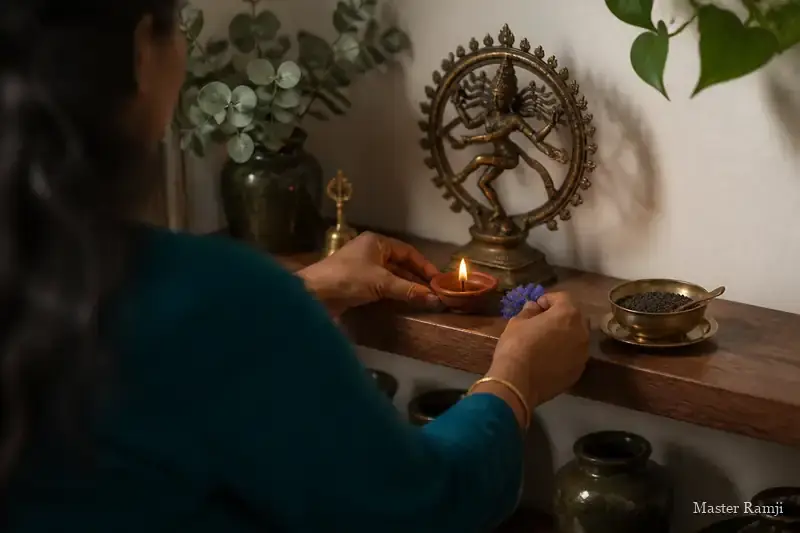
Blue sapphire, or neelam, attracts astrology warnings because it is linked with Saturn, a planet tradition treats with great respect. Stories of sudden disaster after wearing one are folklore, not evidence. A sensible approach is to treat it like any gemstone: ask whether your chart calls for it at all, set a budget, and check treatments and certificates.
Ask around about blue sapphire and you will soon hear a story. Someone's uncle wore one and lost his business within the month. A cousin's friend had an accident the week she put it on. Or the opposite: a man whose fortunes turned overnight. No other gemstone in Vedic astrology comes with quite so many warnings.
This article looks at where that reputation comes from, why the disaster stories are best treated as folklore, and how to think about neelam calmly if it has been suggested to you.
Key takeaways
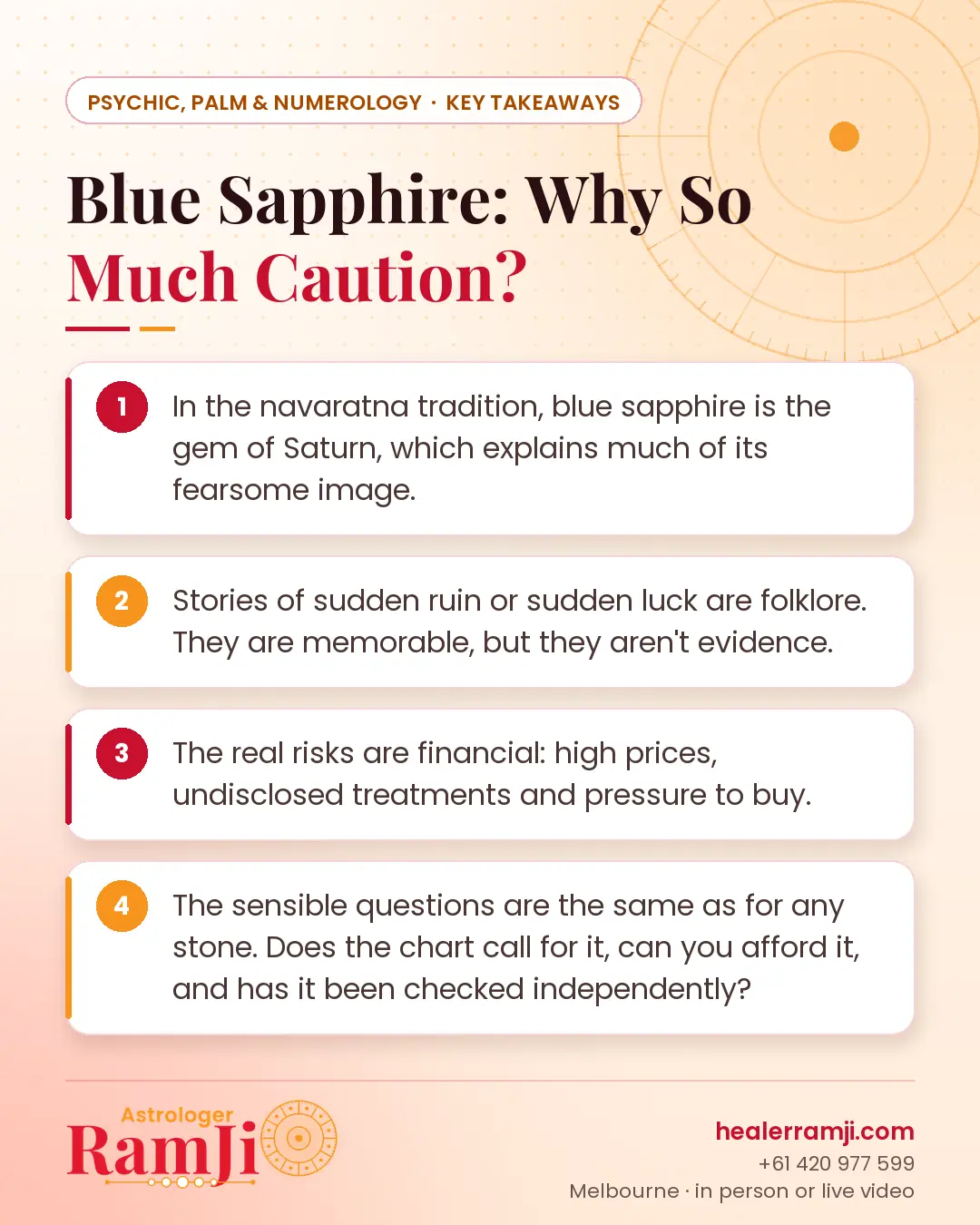
- In the navaratna tradition, blue sapphire is the gem of Saturn, which explains much of its fearsome image.
- Stories of sudden ruin or sudden luck are folklore. They are memorable, but they aren't evidence.
- The real risks are financial: high prices, undisclosed treatments and pressure to buy.
- The sensible questions are the same as for any stone. Does the chart call for it, can you afford it, and has it been checked independently?
Why is blue sapphire linked with Saturn?
The navaratna tradition pairs nine gems with the nine grahas of Vedic astrology, and blue sapphire is given to Saturn, or Shani. Traditionally, wearing a planet's stone is believed to strengthen that planet's influence in your chart.
Saturn has a serious reputation in Jyotish. It is associated with delay, discipline, hard lessons and long periods such as sade sati. So a stone said to amplify Saturn picks up some of that awe. If Saturn is thought to be helpful in your chart, the stone is said to help. If not, tradition warns it could make things harder.
Where do the disaster stories come from?
Several things feed the legend:
- Saturn's image. A planet already linked with hardship makes a natural villain for a cautionary tale.
- Memorable coincidences. If something bad happens after a person starts wearing a ring, the ring gets the blame. The many people who wore one with no drama don't become stories.
- Sales value. A stone with fearsome power can command a fearsome price, and a warning makes the seller's advice seem essential.
- Retelling. Each version of a story tends to grow sharper and more certain.
It is worth noticing that other cultures told very different stories about the same stone. The Gemological Institute of America notes that rulers in ancient Greece and Rome believed blue sapphires protected their owners from envy and harm. The same gem was a symbol of danger in one tradition and protection in another. That says more about storytelling than about the stone.
What is the "trial period" custom?
Some families follow a custom of testing a blue sapphire before wearing it for good. Versions include keeping it under the pillow for a few nights and noting dreams, or wearing it for a short time and watching for events. The custom grew out of the belief that neelam acts quickly.
If your family values this, it is a harmless way to slow down. Treat it as a pause for reflection rather than a test with results. Dreams and the events of a few days can't tell you anything reliable about a stone. A useful side effect is that it gives you time to check the price and the paperwork before committing.
What does Jyotish actually consider?
A careful astrologer starts with the chart, not the stone. The question is whether Saturn is a planet the tradition would want strengthened for your rising sign. For example, many astrologers consider Saturn especially favourable for Taurus and Libra ascendants, and it rules the Capricorn and Aquarius ascendants. For other ascendants, many readers advise more caution. Readers also weigh Saturn's placement and your current planetary period, and they often disagree.
A good outcome may be "no stone". Our article on who should not wear a gemstone covers the traditional cautions in more detail. Remember that this is a belief system. No evidence shows that any gemstone changes health, luck or income.

What are the real risks?
The genuine dangers of blue sapphire are about money, not fate.
- Treatments. The GIA explains that heating can intensify or even create blue colour in sapphires. It says diffusion-treated corundum is widespread in the trade and can be extremely difficult to detect, often only by a qualified laboratory.
- Price. A fine blue sapphire can be very expensive, and spiritual language makes it easy to add a large premium.
- Pressure. Being told to buy today, or that something bad will happen if you don't, is a sales tactic.
- Conflicts of interest. The person recommending the stone may also be selling it.
Our guide to gemstone certificates and fair prices explains how to check a lab report and compare quotes.
Is there a sensible way to approach neelam?
- Ask why it has been recommended, and what would happen if you said no. The right answer is "nothing".
- Get a second opinion from a reader who isn't selling stones.
- Set a budget before you look. Don't borrow or use money meant for essentials.
- Ask for an independent lab report that states treatments, and confirm it with the laboratory.
- Get the price, receipt and returns terms in writing.
- Consider lower-cost options. Amethyst is often named as a substitute for Saturn, and mantra or charity cost little or nothing.
If you already own a blue sapphire and feel anxious about it, you can simply take it off. There is no need for a costly ritual to "undo" it. If you like it as jewellery, you can keep wearing it for that reason alone. Our short answer on wearing a gemstone without a reading covers this.
Would a consultation help?
A gemstone consultation looks at whether your chart gives any reason for a stone, and it may well end with no stone at all. Nothing needs to be bought. Sessions can be held by phone, WhatsApp or video, and fees are stated before paid work begins. If you have been told to buy a blue sapphire and want a calm second view, get in touch.
Related service
Keep reading
Affordable Substitute Gemstones
Substitute gemstones in astrology, known as uparatna, are cheaper stones linked to the same planets. What they are, how the lists differ, and what to check.
Read article →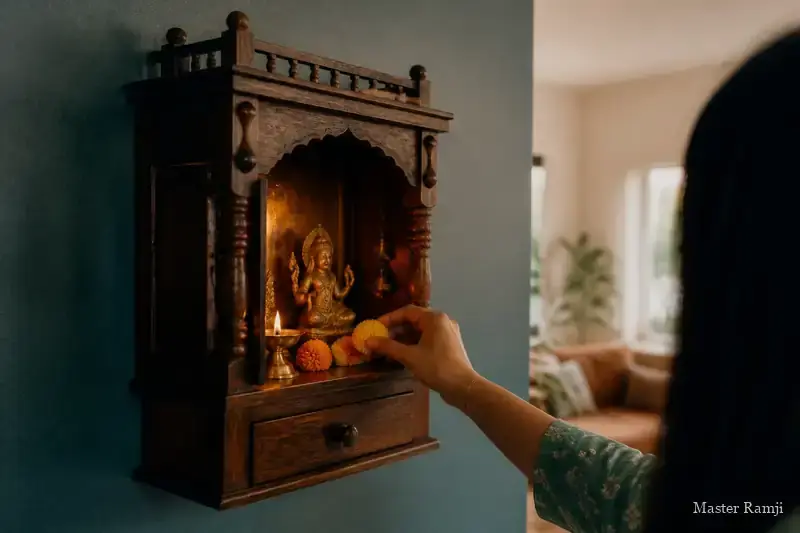
Remedies That Do Not Need a Gemstone
Astrology remedies without gemstones: why many traditions favour mantra, charity and daily discipline, a planet-by-planet guide, and how to keep one up.
Read article →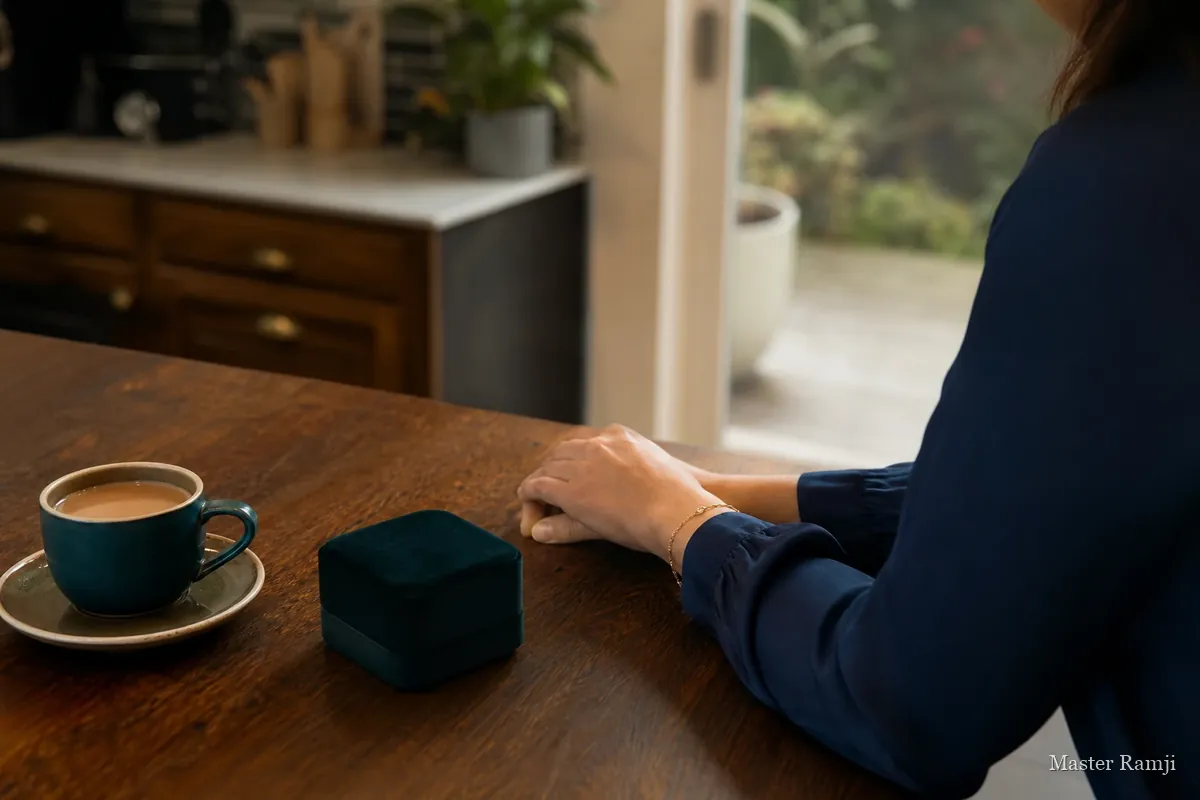
Told to Buy a Costly Gemstone? A Doncaster Buyer's Pause
Told by an astrologer to buy an expensive gemstone? What to do in Doncaster before you spend thousands: written details, valuations and your rights.
Read article →Quick answers
Which gemstone should I wear?
Which gemstone suits you depends on your chart and tradition, and the honest answer may be none. Here is how the choice is made and what to check first.
Read answer →Can I wear a gemstone without a reading?
You can wear any gemstone without consulting an astrologer if it's simply jewellery. Here is the traditional caution, and how to avoid overpaying.
Read answer →Talk to Vijay Ramji
Tell us what you are facing. If a reading is unlikely to help, you will be told that plainly.