
Forgiving Yourself After a Relationship Ends
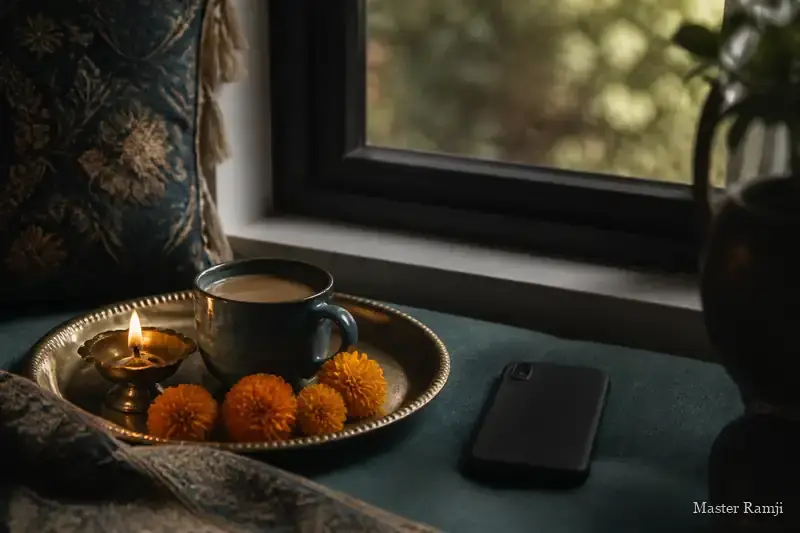
To forgive yourself after a breakup, first separate what was truly yours to own from blame you have taken on unfairly. Name your part plainly, make amends where it is safe and welcome, then mark a deliberate end to self-punishment. Reflection, prayer or a small ritual can help, alongside support from people you trust.
When a relationship ends, some people blame the other person. Many others turn the blame inward. They replay every argument, every missed sign and every sharp word, and they sentence themselves for it, often for months.
This article is for that second group. It offers a way to sort fair responsibility from self-punishment, and a simple ritual to mark the point where you stop carrying what you have already dealt with.
Key takeaways
- Guilt after a breakup is common. It is one of the feelings that can come with grief.
- Forgiving yourself doesn't mean pretending you did nothing wrong. It means owning your part, then putting the rest down.
- Amends should only be made where they are safe and welcome. Some are better made through how you act from now on.
- A ritual can give the decision a shape, but it isn't a substitute for support if you are struggling.
Why do you keep blaming yourself?
An ending is a loss, even when it was the right decision. healthdirect lists separation and relationship breakdown among the losses that can bring grief, and names guilt as one of the feelings people may have as they take it in.
Self-blame can also feel oddly safer than the alternative. If it was all your fault, then it was in your control, and you can promise yourself to do better. Accepting that some of it was never in your hands, such as the other person's choices or plain bad timing, can feel more frightening. So the mind keeps returning to the one thing it can work on, which is you.
How do you tell fair responsibility from unfair blame?
Try writing two lists on paper, not in your head.
- What was mine. Specific actions, with no adjectives. "I stopped asking about her day." "I shouted when I was tired." "I kept a secret about money."
- What was not mine. The other person's decisions, their words, family pressure, distance, illness, visas, the timing of a job offer.
Then look at the first list and ask of each item: would I judge a close friend this harshly for the same thing? Most people find their first list is shorter than they feared, and their judgement much harsher than they would ever be with someone else.
If the relationship involved control, threats or violence from the other person, please don't put that on your own list. Staying, going back or not leaving sooner is not a fault. 1800RESPECT (1800 737 732) can talk this through with you.

What does owning your part actually involve?
Fair responsibility is plain and finite. It sounds like "I did this, it hurt them, and I won't do it again." It doesn't need repeating every night.
Many traditions, including Hindu ones, have long held that an honest admission and a changed way of living carry more weight than endless regret. You might keep that in mind if a voice tells you that suffering longer is the only proof you are sorry.
Amends can help, but think first:
- If your former partner has asked for no contact, respect that. An apology they didn't want is about your relief, not their wellbeing.
- If a short, honest apology would be welcome, keep it brief and ask for nothing back.
- Otherwise, let the amends be living differently. Treat the next person, and yourself, better.
Is there a ritual that can help you let go?
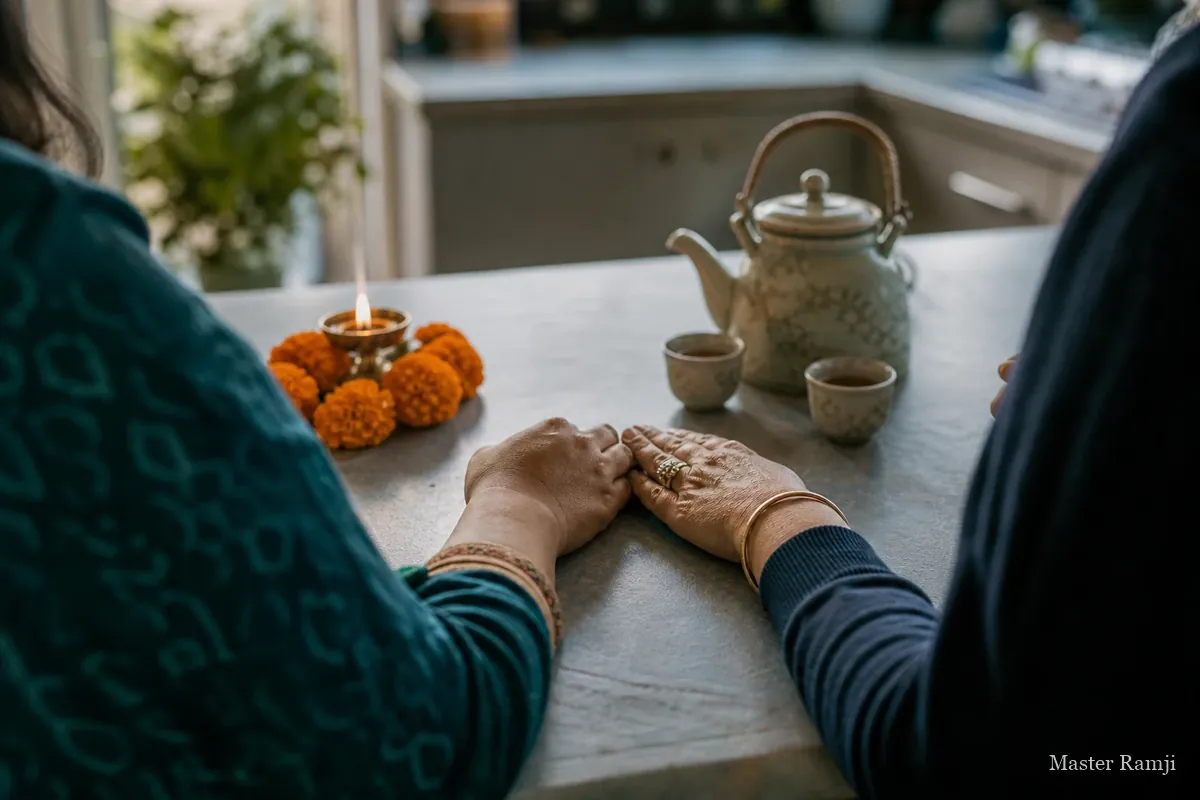
For some people, a decision becomes real once it has a shape. Here is a simple form, drawn loosely from evening prayer. Adapt it to your own faith, or leave the religious parts out.
- Choose a quiet evening. Not straight after a bad day or an upsetting message.
- Light a lamp or a battery candle. If you use a flame, keep it on a stable surface and stay in the room.
- Read your first list aloud once. Name each item plainly, without excuses and without extra punishment.
- Say what you will do differently. One or two sentences are enough.
- Release the rest. Some people offer it in prayer to their deity. Others simply say, "I have looked at this honestly, and I am putting it down."
- Close the page. Tear up the list, or file it away. Then do something ordinary and kind for yourself, such as a shower, a meal or a call to a friend.
The thoughts may come back. That doesn't mean the ritual failed. When they do, remind yourself that you have already dealt with this, and turn your attention to what you are doing now.

What if the guilt keeps coming back?
Loops of guilt tend to grow in the dark hours and in isolation. A few steady habits help:
- Set a short, fixed time for thinking about the relationship, then stop.
- Talk to someone who knew you both, and ask for their honest view, not just comfort.
- Notice whether you are scrolling old messages or their social media. If you are, consider muting or archiving.
If you keep choosing the same kind of partner and blaming yourself afterwards, our article on naming a repeating relationship pattern may help you look forward rather than back. If you are still in the first weeks, the first month after a breakup is a gentler place to begin.
When is it time to get more support?
Self-blame can slide into something heavier. Talk to your GP if you have lost interest in most things, are struggling to sleep or eat, or feel worthless much of the time. Beyond Blue is available on 1300 22 4636. Counselling through services such as Relationships Australia can help you make sense of what happened, whether you are on your own or still sorting things out with a former partner.
If you ever feel you can't keep yourself safe, call Lifeline on 13 11 14 at any hour, or 000 in an emergency.
Where does a reading fit?
Some people find it useful to talk the ending through with someone outside their circle once the first shock has passed. A breakup clarity session uses your birth chart as a prompt for reflection about what was yours and what comes next. It can't tell you what your former partner feels, and it isn't counselling. Our short answer on whether to get a reading right after a breakup explains why waiting can help.
Sessions can be held by phone, WhatsApp or video, fees are stated before paid work begins, and what you share is confidential. When you feel ready, get in touch.
Related service

Keep reading
Indian and Chinese Family Traditions in Box Hill Couples
For Indian and Chinese couples in Box Hill: how Vedic charts and Bazi differ, how to raise them respectfully with both families, and what neither one can decide.
Read article →
Students in Clayton: Love, Family and Expectations
An international student in love in Clayton, with family pressure from home? How to think it through, what to share, and where to get real support.
Read article →
Is a Relationship Reading Right for Essendon Couples?
Thinking about a relationship reading in Essendon? Who it may suit, who should see a counsellor first, and what to do if you don't feel safe at home.
Read article →Quick answers
Should I get a reading right after a breakup?
Often it helps to wait before getting a reading after a breakup. Here is why, what to try first, and how to tell when you are ready for one.
Read answer →Can astrology bring my ex back?
No, astrology can't make your ex come back, and nobody can honestly promise it. Here is what a reading can help with, and how to avoid costly promises.
Read answer →Talk to Vijay Ramji
Tell us what you are facing. If a reading is unlikely to help, you will be told that plainly.