
Keeping Your Faith and Seeing a Doctor
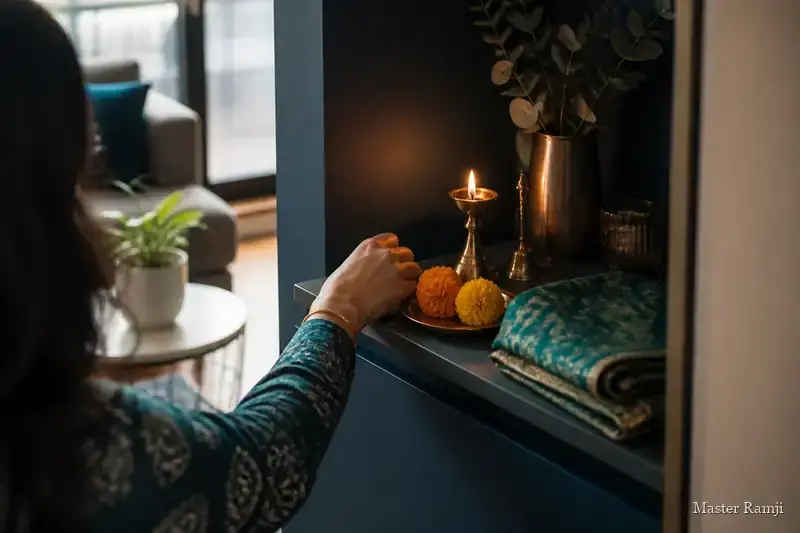
Spiritual beliefs and mental health help can sit side by side. If you are struggling, see a GP first: they can assess you, rule out physical causes and, if suitable, arrange a mental health treatment plan. You can keep praying, visiting the temple and following your faith while you get that care. Faith supports treatment, it doesn't replace it.
Some people put off getting help for their mental health because they feel it would be a betrayal of their faith. They worry a doctor will dismiss their beliefs, or that relatives will say they should simply pray harder. Others have been told that what they feel is spiritual, so medicine has nothing to offer.
This article is written for anyone caught in that tension. The short version is that you don't have to choose. Professional care comes first, and your faith can come with you.
Key takeaways
- If you are struggling, start with your GP. A spiritual practice should never delay that visit.
- A GP can arrange a mental health treatment plan, which gives Medicare rebates for sessions with a mental health professional.
- You can tell your doctor or psychologist that your faith matters to you, and ask them to work with it.
- Prayer and ritual can bring comfort alongside treatment, but they aren't a substitute for it.
Why do faith and medicine seem to compete?
Many people grew up in families where hardship was handled privately, through prayer, fasting or a visit to the temple. Mental illness may have been rarely spoken about, or explained as weak character, bad karma, nazar or a curse. Those ideas can leave a lasting sense of shame.
It may also feel as if a doctor and a priest are offering rival explanations. In practice, they are usually answering different questions. A doctor asks what is happening in your body and mind, and what treatment may help. Your faith may ask what the experience means and how to bear it. You can hold both.
What should come first?
When you are not coping, the first step is a medical one. That is true even if you strongly believe the cause is spiritual. Low mood, anxiety, poor sleep and feeling drained can come from depression, anxiety disorders, thyroid problems, low iron, medication side effects and many other treatable conditions. A GP can look into these. A ritual can't.
Our article on telling stress apart from fears about black magic goes through the ordinary causes worth checking first. It is a good read if someone has told you your symptoms are spiritual.
Get help straight away if you are thinking about harming yourself, if you feel unsafe, or if you or the people around you notice sudden changes in how you think or behave. Call Lifeline on 13 11 14 at any hour, or 000 in an emergency.
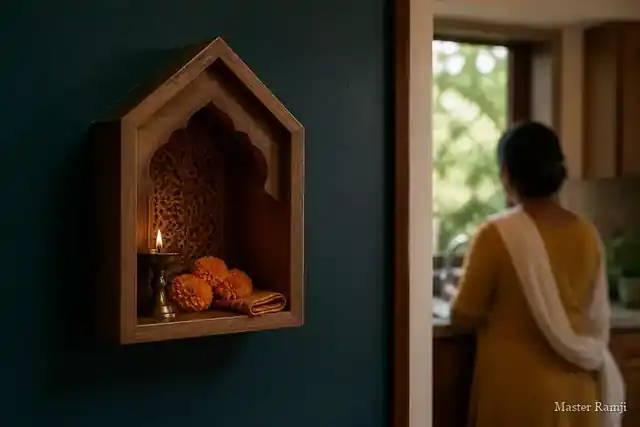
What happens when you see a GP?
You can book a regular appointment and say you would like to talk about your mental health. It helps to ask for a longer appointment. The GP will ask about your symptoms and may use a short questionnaire.
If you have a diagnosed mental health condition, your GP can prepare a mental health treatment plan. According to healthdirect, a plan lets you claim Medicare rebates for up to 10 individual and 10 group sessions each calendar year with a mental health professional. Your GP usually refers you for 6 sessions first, with more available if needed. Professionals set their own fees, so there is often a gap to pay. Ask about costs when you book.
How do you talk about your faith with a doctor or psychologist?
Good clinicians want to understand what matters to you. You can say something as simple as, "My faith is important to me, and I'd like my treatment to respect that." It is fine to ask a psychologist whether they have worked with people from your background, or whether they are comfortable including your beliefs in the conversation.
Some things to mention:
- Any fasting you do, as it may affect medication or energy
- Prayer, meditation or mantra practices that help you
- Any remedies, herbs or oils you use, so they can be checked for interactions
- Family expectations that make it hard to talk openly at home
If you would find it easier in your first language, ask for an interpreter. Embrace Multicultural Mental Health has mental health information in many languages and help finding services.
Where can prayer and practice fit?
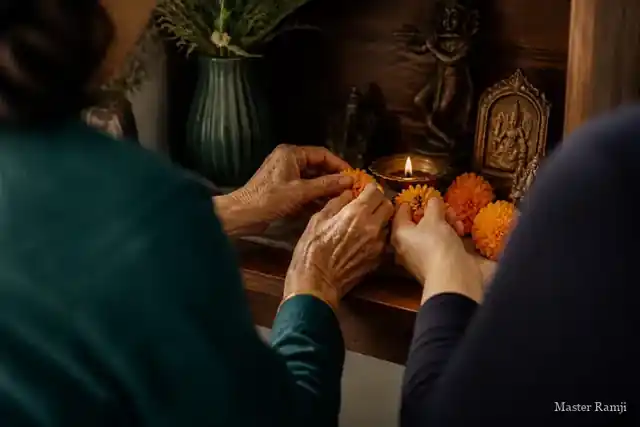
Many people find a daily prayer, a lamp at dusk or a few minutes of mantra steadying. These can be part of looking after yourself while you are in treatment. Our article on prayer and anxiety looks at what helps and when to get more support.
A few habits keep faith and treatment working together:
- Keep taking medication exactly as prescribed. Never stop or change a dose because of a ritual or a reader's advice.
- Plan prayer, fasting and temple visits around appointments, not instead of them.
- If a spiritual practice leaves you more frightened or distressed, stop and talk to your doctor.
What if someone says you don't need a doctor?
Be very careful. Walk away from anyone who tells you to stop medicine, skip appointments, or blames your illness on weak faith. A healer who claims to cure mental illness is making a claim no spiritual practice can support. Our short answer on whether spiritual healing can replace a doctor sets out the warning signs.
If the pressure comes from family, it can help to bring a trusted relative to an appointment, or to ask your GP how to explain your treatment at home.
What if a friend or relative needs help?
Gently suggest a GP visit and offer to go with them. You might say that seeing a doctor doesn't mean giving up their beliefs. Beyond Blue can be reached on 1300 22 4636, including by people worried about someone else. If you are worried about their immediate safety, call 000.
Where does spiritual support fit?
Once your health has been looked at, some people want a quiet practice that feels like their own. A negative energy cleansing starts by asking about health, sleep and support, and it is offered only as spiritual support, never as treatment or counselling. Sessions can be held by phone, WhatsApp or video, and what you share is confidential. If you would like to talk, get in touch, ideally after you have seen your GP.
Related service

Keep reading

Spiritual Scams Aimed at New Migrants in Dandenong
How spiritual scams use language gaps and fear to pressure new migrants in Dandenong, and where to get help in your own language if you have already paid.
Read article →
Smoke-Free Rituals in Docklands Apartments
Living in a Docklands apartment? How owners corporation rules and fire alarms affect incense and lamps, plus smoke free home cleansing that still feels real.
Read article →
Luck, Gambling and Astrology: A Word From Flemington
Astrology cannot predict gambling results. Why a chart can't pick winners, how to spot a lucky numbers scam, and where to find gambling help in Victoria.
Read article →Quick answers
Can a spiritual cleansing be done remotely?
Many traditions hold that prayer isn't limited by distance, so a cleansing can be arranged remotely. Here is how it works, and what it can't show.
Read answer →What do people mean by black magic?
Black magic usually means the belief that ritual can harm someone. Here is what the term covers, what it can't show, and what to do if you're worried.
Read answer →Talk to Vijay Ramji
Tell us what you are facing. If a reading is unlikely to help, you will be told that plainly.